What are the new EV interior layout standards?
"The transition from internal combustion to electric propulsion is not merely a change in the engine, but a complete reimagining of the space where we live while in motion."
The 2026 EV interior design focuses on maximizing cabin volume and digital integration to redefine the driver experience. This shift prioritizes modularity and lounge-like comfort over traditional cockpit layouts.
Key takeaways include the expansion of passenger living space, the rise of software-defined interfaces, and the adaptation of materials for a quieter, more spacious environment.
How does 2026 EV interior design change the cabin?
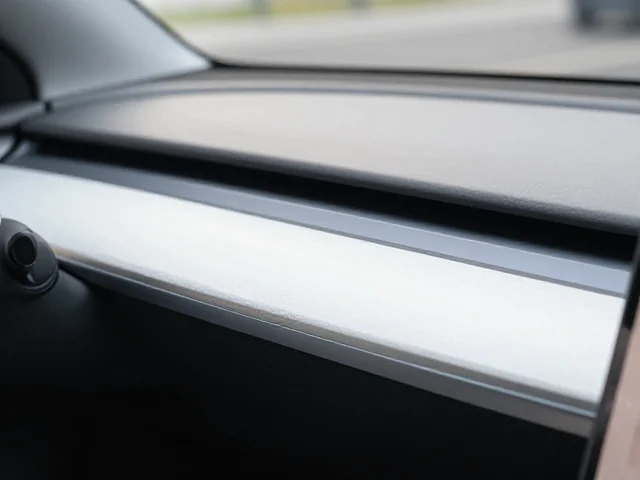
I sit in the driver's seat of a prototype, feeling the absence of a bulky transmission tunnel between my feet. The floor is perfectly flat, creating a sense of openness that traditional cars cannot replicate. This structural change allows for a seamless flow of movement within the vehicle.
The 2026 EV interior design utilizes the lack of mechanical obstructions to create a "living room" atmosphere. Designers are moving away from cramped, driver-centric cockpits toward open-concept layouts. This allows for adjustable seating positions and more legroom for all passengers.
The evolution of these spaces is driven by the rapid expansion of vehicle variety. According to the International Energy Agency, there were about 250 models of highway-capable plug-in electric passenger cars available for sale in the world as of December 2019, up from 70 in 2014.
This variety forces manufacturers to experiment with diverse spatial configurations.
The influence of Electric car cabin trends is evident in how manufacturers use digital screens to replace physical buttons. By removing tactile switchgear, designers gain precious centimeters of space.
This creates a cleaner aesthetic that complements the minimalist ethos of modern electric mobility.
What are the new EV interior layout standards?
At dawn, I run my hand over the seamless dashboard to feel the smooth texture of the new EV interior layout standards.
I run my hand over the smooth, continuous surface of a dashboard that blends into the door panels. There are no jagged edges or protruding vents to break the visual line. The light from the morning sun hits the recycled fabric, highlighting a unified color palette.
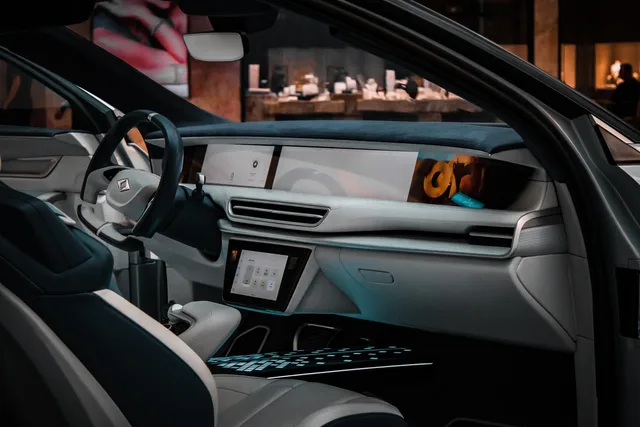
A New EV interior layout relies on software-defined architecture to manage cabin functions. Instead of dedicated hardware for every task, centralized computing power handles climate, media, and navigation through integrated touchpoints. This reduces the physical footprint of the dashboard.
The shift toward these layouts is a response to the growing complexity of vehicle technology. As more models enter the market, the need for standardized, intuitive interfaces becomes critical. This ensures that even as hardware changes, the user experience remains consistent across different brands.
The Driver experience space 2026 reflects a move toward multifunctional environments. Seats are no longer just for sitting; they are designed for relaxation during autonomous or semi-autonomous driving phases.
This transformation is a direct result of the increased usable volume provided by electric platforms.
How can drivers adapt to a New EV interior layout?
I adjust the settings on a large, central touchscreen, noticing how the menu structure differs from my old car. The haptic feedback provides a subtle vibration, confirming my selection without requiring a glance away from the road.
To master a modern cabin, follow these steps:
- Familiarize yourself with the centralized control hub to understand how climate and media are integrated. 2. Adjust the modular seating positions to find the optimal balance between driving posture and passenger comfort. 3. Configure the digital driver display to show only the most essential telemetry and navigation data.
Perform a final check by ensuring all critical safety functions are accessible via voice commands or quick-access gestures. This ensures that the high level of digital integration does not become a distraction during transit.
I found that adjusting my expectations for physical buttons helped me navigate the new interface much faster. Moving through the menus became second nature once I understood the logic of the software-driven layout.
What is the impact of EV interior on driver experience?
I lean back in a zero-gravity seat, feeling the silence of the cabin as the vehicle glides through a quiet neighborhood. The lack of engine vibration allows for a much more tranquil environment, making the cabin feel larger than it actually is.
The impact of EV interior on driver experience is characterized by increased sensory comfort and reduced cognitive load. With fewer mechanical noises, the cabin becomes a sanctuary for music, conversation, or even focused work. This change alters how we perceive travel time.
The integration of advanced materials also plays a role in this experience. Manufacturers are using sustainable, soft-touch textiles that absorb sound more effectively than hard plastics. This contributes to a premium feel that is synonymous with high-end electric vehicles.

The Expert view on EV cabin design suggests that the driver is no longer just an operator but a passenger in a mobile living space. This psychological shift is fundamental to how the next generation of vehicles will be marketed and used.
How do large-scale electric transitions affect space design?
I watch a fleet of electric buses pull into a station, noting the wide, low-floor entry points designed for easy access. The interior space is vast and unobstructed, optimized for high-capacity passenger movement.
According to a survey conducted by the Association (Norsk Elbilforening), 1,858 respondents representing over 15% of all electric car owners in Norway participated in a study in June 2013.
The design principles seen in passenger cars are increasingly mirrored in larger electric transport. For example, the Land Transport Authority procured 360 electric buses on 25 November 2023, including 240 BYD BC12A04 and 120 Zhongtong N12 buses, for $166.4 million total.
These large-scale procurements highlight the demand for efficient, spacious, and easy-to-maintain interiors in public transit. The transition to electric propulsion in buses allows for much larger, flatter floor designs compared to diesel counterparts.

The Future of electric vehicle space is being shaped by both private and public sector requirements. Whether in a luxury sedan or a city bus, the removal of traditional mechanical components is the primary driver of spatial innovation.
Comparison of Electric Vehicle Scale
| Vehicle Type | Procurement/Market Context | Scale Detail |
|---|---|---|
| Passenger Cars | Global Market (2019) | 250 models |
The evolution of these spaces is limited to the physical constraints of the battery housing and chassis architecture.
Wikipedia: Electric bus Based on the retained excerpt mentioning Land Transport Authority: On 24 October 2018, the Land Transport Authority procured 60 fully electric buses — 20 BYD K9 buses, 20 ST Engineering-Linkker LM312 Electric Buses, 10 Yutong E12 single-decker buses and 10 Yutong E12DD double-decker buses, for $50.64 million total.
- How does 2026 EV interior design change the cabin?
- What are the new EV interior layout standards?
- How can drivers adapt to a New EV interior layout?
Related






Comments 0