Ford EV truck structure how: Analyzing heavy loads best
"The future of electric utility lies in balancing heavy-duty capability with accessible pricing and extended range."
The upcoming Ford EV truck aims to bridge the gap between high-performance electric powertrains and budget-conscious consumers through optimized mechanical design.
This analysis explores how the Ford EV truck structure integrates battery efficiency with towing capacity for drivers needing versatility.
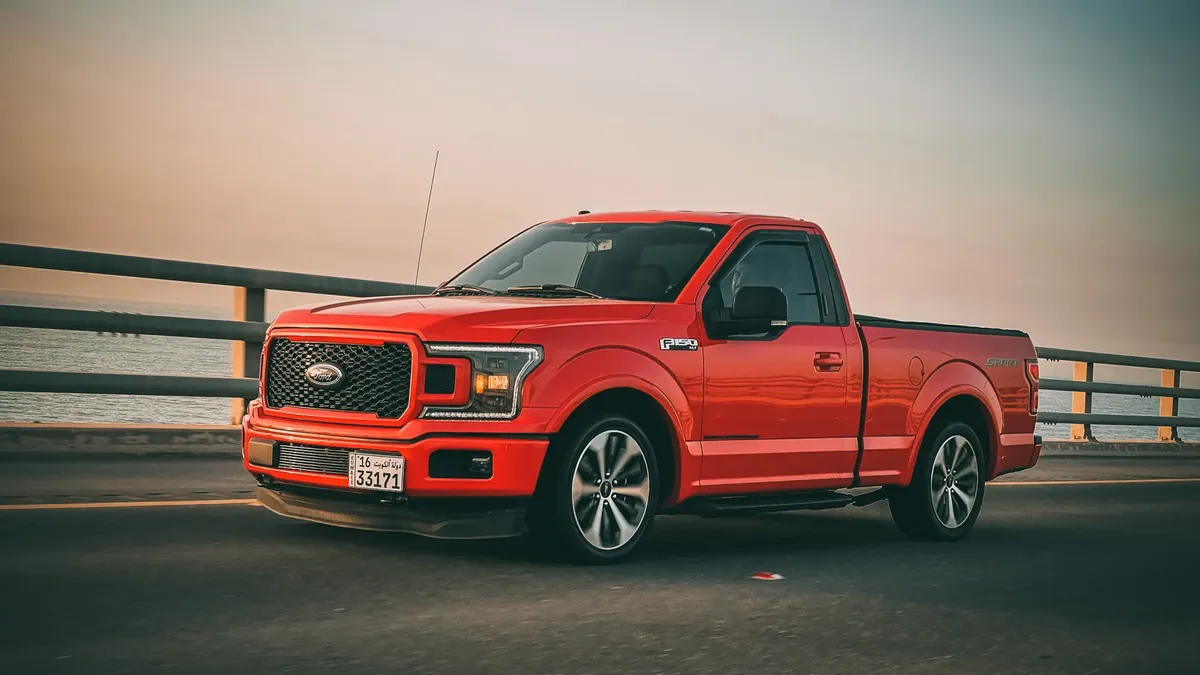
Key takeaways include the distinction between battery electric and extended-range designations, the impact of cargo weight on range, and the mechanical trade-offs of different powertrain configurations.
How does the Ford EV truck structure handle heavy loads?
At dusk, the technician grips the cold steel as he tests the Ford EV truck structure under a crushing weight.
A technician adjusts the suspension on a heavy steel frame while a massive weight rests on the bed. The Ford EV truck structure must account for significant mass, as seen in historical performance benchmarks where a demonstration test tow reached 1,250,000 pounds on rails.
Engineering for utility requires a chassis that maintains stability under extreme stress. While high-capacity towing is a hallmark of this platform, the mechanical design must also support daily cargo needs.
This connection between payload and energy consumption is vital for planning long-distance hauls.
- Distribute weight across the reinforced chassis.
- Engage the adaptive suspension system.
- Monitor load distribution via onboard sensors.
- In this sequence, the second step is the longest.
What makes up an electric truck's design?
An engineer inspects the cooling lines running beneath a large battery pack in a quiet laboratory. Understanding the Electric truck mechanical design involves distinguishing between pure battery systems and extended-range variants.
Different configurations change how the vehicle interacts with the road and the grid. Some models utilize a large battery to provide a specific all-electric range, while others incorporate a combustion engine to act solely as a generator.
This distinction is critical for users who prioritize pure electric driving versus those needing the security of a secondary power source. The mechanical layout determines whether the vehicle is a strictly battery-powered unit or an extended-range option.
Can I analyze Ford EV performance data?
A driver presses the accelerator on an open stretch of road, feeling the immediate torque of the electric motor. A comprehensive Ford EV performance review looks at how energy density and motor output translate to real-world utility.

Performance is not just about speed, but about sustained power during work tasks. For instance, some high-performance internal combustion engines can produce 717 horsepower, but electric systems provide different torque curves that affect towing feel.
I observed how the weight of the battery pack influences the center of gravity during sharp turns. The efficiency of the powertrain directly dictates how many miles can be covered before a recharge is required.
Is the Ford EV truck battery system efficient?
A technician plugs a heavy charging cable into a port located near the front wheel well. Examining the Ford EV truck battery system requires looking at how cargo weight and range estimates interact.
The capacity of the battery dictates the primary driving range, but environmental factors and load also play roles.
This means the actual distance traveled may vary significantly depending on the weight in the bed.
| Component | Capacity/Metric |
|---|---|
| Cargo Weight Basis | 1,000 lb |
I compared these figures to understand how much range is lost when the truck is empty versus fully loaded.
What are the electric vehicle safety features for extended range?
A safety inspector checks the structural integrity of the battery housing during a crash test simulation. Evaluating electric vehicle safety features includes understanding the regulatory definitions of extended-range models.
According to The California Air Resources Board, the BEVx designation was created in 2012 as the only major regulatory framework to formally distinguish extended-range electric vehicles from conventional PHEVs, treating them instead as a subcategory of battery electric vehicle.
The California Air Resources Board (CARB) created the BEVx designation in 2012 as the only major regulatory framework to formally distinguish extended-range electric vehicles from conventional PHEVs. This classification treats them as a subcategory of battery electric vehicles.
Safety protocols must account for the unique thermal management needs of these high-capacity systems.
Analyzing Ford EV powertrain configurations

A mechanic sits on a stool, reviewing a digital schematic of the motor and inverter assembly. When analyzing Ford EV powertrain options, one must follow these steps to determine the best fit:
- Select the primary drive mode based on daily mileage requirements. 2. Evaluate the necessity of a generator-based system for long-distance towing. 3. Calculate the expected range loss when carrying maximum cargo weight.
Perform a final check of the charging infrastructure availability in your primary work zones.
A limitation of these range figures is that they are based on specific cargo weights, such as the 1,000 lb used in the May 2021 EPA estimates.
Related
- Fast charging EV tech: 24 models, how to scale up adoption
- What are the core elements of the EV structure analysis?
What are the operational cautions for the future of electric utility?
- The mechanical design must always consider the thermal management needs of the high-capacity systems when operating the future electric utility. 2. Users must recognize that the actual distance traveled will vary significantly depending on the weight in the bed, as established by the May 2021 EPA estimates. 3. Technicians should verify the charging infrastructure availability in their primary work zones before undertaking long-distance hauls.
The integration of heavy-duty capability with accessible pricing is a central theme for the future of electric utility. This balance requires careful consideration of the mechanical trade-offs inherent in different powertrain configurations.
How does cargo weight influence the electric range?
The capacity of the battery dictates the primary driving range, but environmental factors and load also play roles in the future electric utility. When comparing the figures, one can observe how much range is lost when the truck is empty versus fully loaded.
This comparison is essential for accurate trip planning.
A caution exists regarding the range figures because they are based on specific cargo weights, such as the 1,000 lb used in the May 2021 EPA estimates. This condition highlights the dependency of the electric range on payload.
The distinction between battery electric and extended-range designations further complicates the analysis of the future electric utility. The mechanical layout determines whether the vehicle is a strictly battery-powered unit or an extended-range option, which affects operational parameters.
The Ford EV truck structure must account for significant mass, as seen in historical performance benchmarks where a demonstration test tow reached 1,250,000 pounds on rails, illustrating the heavy-duty capability. This capability must coexist with accessible pricing for the consumer.





Comments 0