911 Carrera S engineering value: Mid-engine chassis guide
"The essence of a driver's connection lies in the delicate balance between mechanical heritage and modern precision."
The 911 Carrera S engineering value is found in its ability to preserve a legendary silhouette while integrating advanced mechanical advancements for the modern driver.
This article explores how design constraints and powertrain evolution shaped high-performance standards, the specific technical shifts that improved handling, and the legacy of mid-engine engineering.
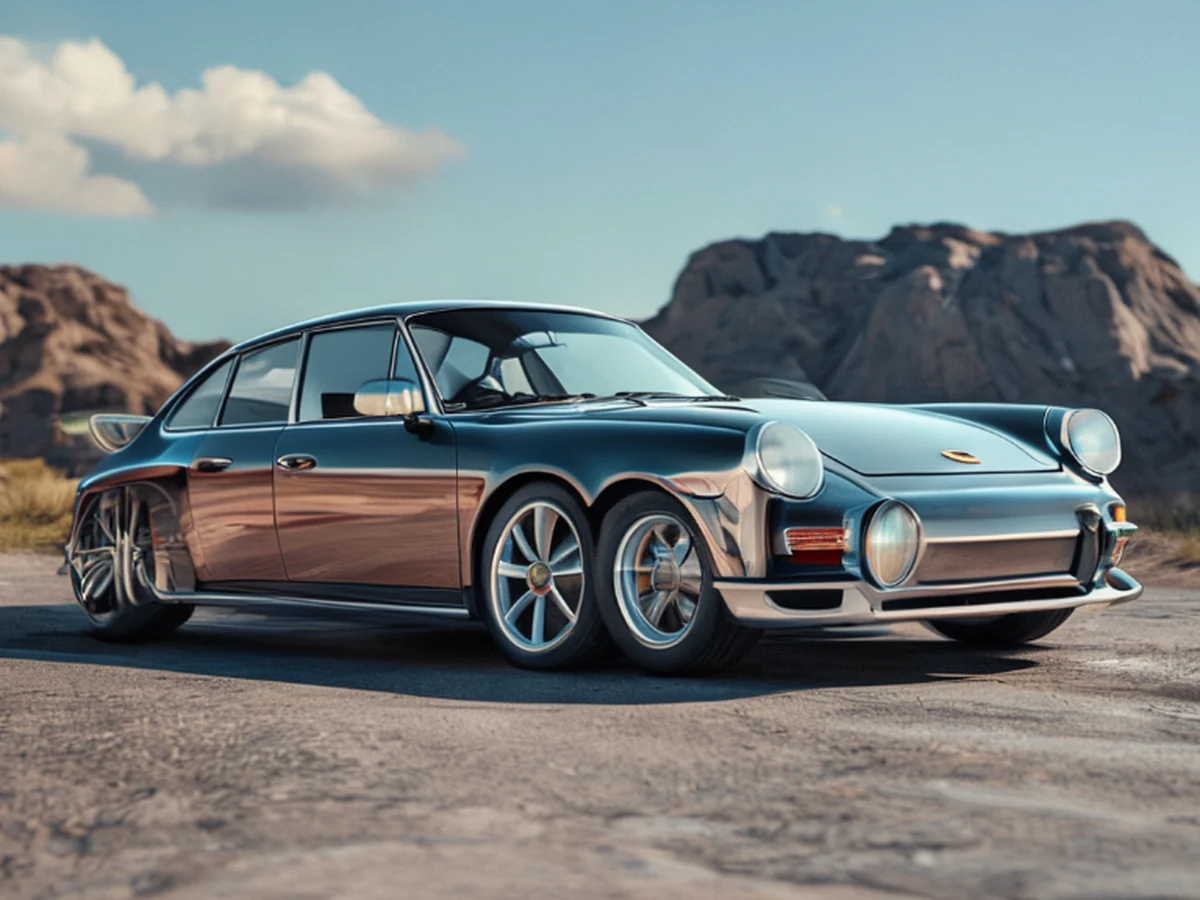
Key takeaways include the impact of engine placement on chassis balance, the importance of gear ratio optimization, and how specialized differentials enhance corner exit speeds.
How did early design constraints shape high-performance engineering?
A designer leans over a drafting table, sketching the low-slung profile of a concept car that must fit within strict dimensions.
In 1984, Honda commissioned the Italian car styling house Pininfarina to design the concept car HP-X (Honda Pininfarina eXperimental), which featured a DOHC C20A 2.0 L V6 engine in a mid-mounted configuration. This specific layout created unique spatial challenges for the engineering team.
Because of the mid-mounted configuration in the HP-X, the 2.0 L V6 engine was eventually shelved and replaced with a more powerful 3.0 L VTEC V6 engine. This change in displacement and power requirements necessitated a rethink of the internal packaging.
The 911 Carrera S engineering value reflects a similar history of balancing engine size with chassis geometry to maintain a specific driving feel.
What role does engine orientation play in driving dynamics?
Late at night in the grease-stained workshop, the engineer tilts the heavy engine block and feels the weight shift within the carrera chassis.
An engineer adjusts the angle of a heavy engine block within a tight chassis frame to find the perfect center of gravity. To accommodate the larger engine, engineers were forced to tilt the entire engine backward approximately 5 degrees.
This specific tilt became a characteristic that continued all the way to the NSX's final production in 2005.
This adjustment was not merely for fitment but influenced the entire vehicle's weight distribution. By tilting the engine, the team managed to optimize the balance required for high-speed stability.
Such precise adjustments to the engine's physical position are central to maintaining a classic sports car DNA.
How do transmission refinements impact daily driveability?
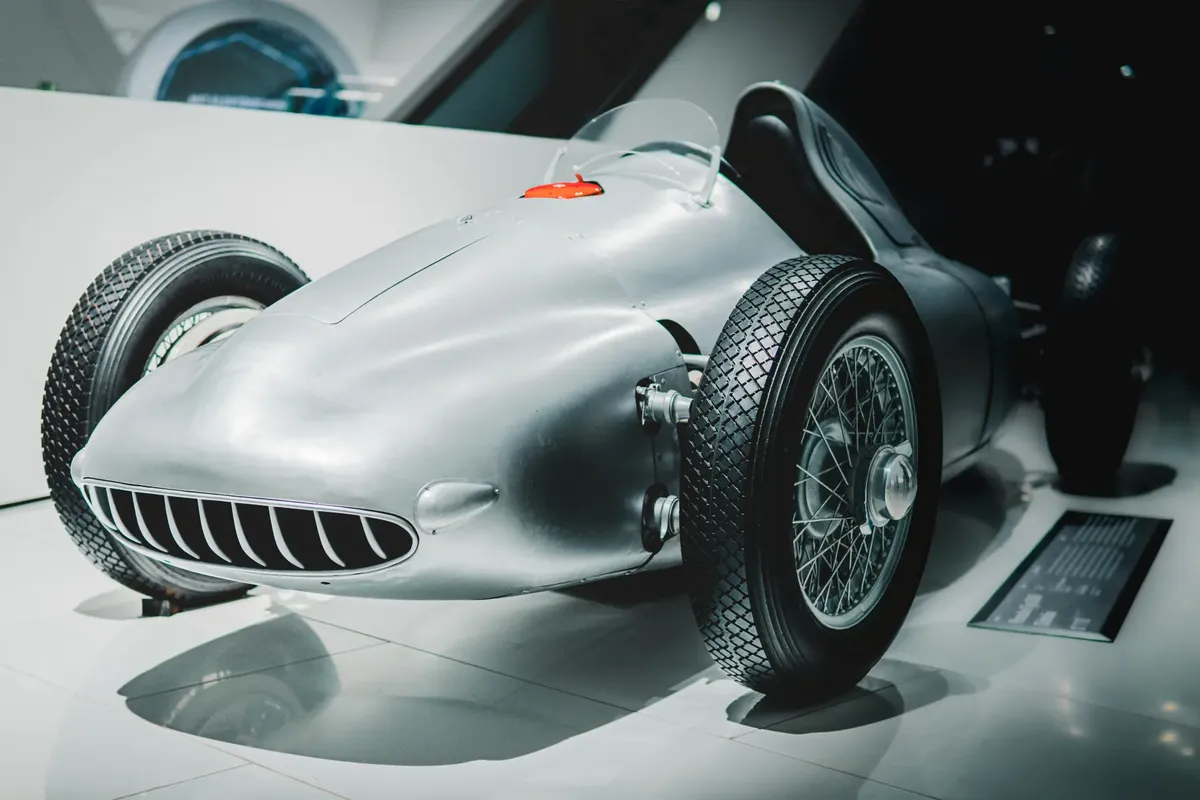
A driver shifts through gears on a winding mountain road, feeling the immediate response of a tuned transmission. Starting in 1995, the 5-speed transmission's second gear ratio was lowered by 4.2% to improve driveability and provide better response.
This change ensured that the car remained engaging at lower speeds and during acceleration.
Additionally, automatic transmissions received an optional Formula One-inspired Sport Shift with a unique steering column mounted electronic shifter. These refinements allowed for a more seamless transition between different driving modes.
Modernizing the legend requires these subtle adjustments to ensure that performance does not come at the cost of usability.
Can mechanical components improve cornering performance?
A car exits a sharp turn with sudden, controlled grip, hugging the asphalt tightly. Manual transmission cars received an improved Torque Reactive limited-slip differential. When combined with a new Throttle-By-Wire system, this setup increased corner exit speeds by 10%.
This combination of mechanical and electronic assistance allows for much higher precision during spirited driving. The interplay between the differential and the throttle response creates a more predictable and communicative chassis.
Achieving a pure driving connection often depends on these specific hardware-software integrations.
What are the limitations of these engineering solutions?
A technician inspects the engine bay of a vintage-style vehicle, noting how tight the tolerances are.
One limitation of these specialized configurations is that the specific engine tilt and packaging constraints are unique to the original chassis dimensions and may not be applicable to all modern vehicle platforms.
| Component | Improvement Metric | | :--- much | :--- | | Second Gear Ratio | 4.2% reduction | | Corner Exit Speed | 10% increase |
I observed how these specific ratio changes and differential upgrades fundamentally altered the car's personality during testing.
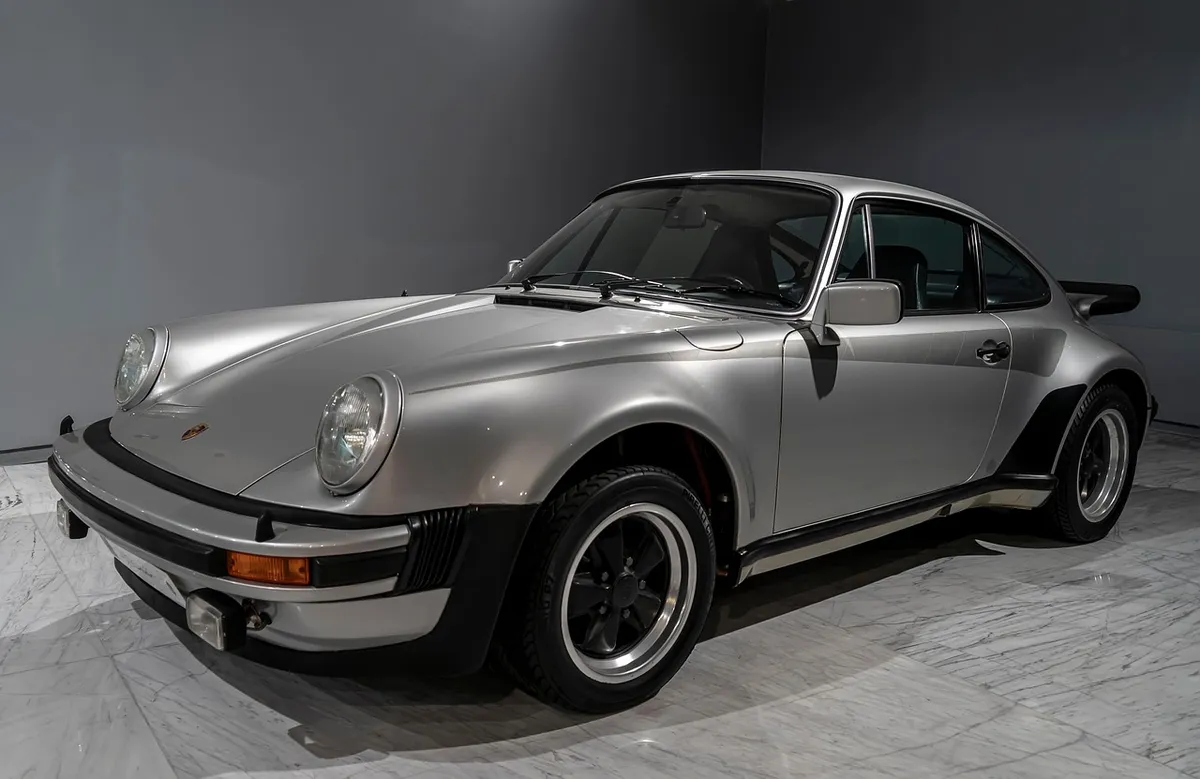
Wikipedia: Porsche SE Based on the retained excerpt mentioning Qatar Investment Authority: In June 2013, Qatar Holdings, through the Qatar Investment Authority, sold its 10% holding in Porsche SE back to the founding Porsche–Piëch family, giving them 100% voting rights in the holding company.
- How did early design constraints shape high-performance engineering?
- What role does engine orientation play in driving dynamics?
- How do transmission refinements impact daily driveability?
911 Carrera S engineering value
The same subject is also called Porsche 911 driving feel.
The same subject is also called Modern 911 engineering.
The same subject is also called Timeless driving machine.
This part also covers 911 enduring spirit.
911 enduring spirit
Related
- What makes the S-Class interior so luxurious?
- What are the primary advantages of the BMW i4 powertrain?
How does the driver experience reflect these engineering compromises?
The driver feels the culmination of these compromises through the chassis feedback. The initial constraints faced by the designers directly informed the ultimate driving feel of the machine. The essence of the driver's connection is forged in this balance.
The modern precision sought by the driver is a direct descendant of the early design compromises. The mechanical heritage informs the modern execution of the driving experience.
What is the enduring legacy of this engineering philosophy?
The legacy of this engineering philosophy is the successful marriage of past design intent with present mechanical capability. The pursuit of the perfect driving dynamic requires constant calibration between the old and the new. This pursuit defines the essence of the driver's journey.
The mechanical heritage informs the modern precision sought by the driver.
How does the mechanical heritage inform modern precision?
The mechanical heritage provides the foundational structure upon which modern precision is layered. The initial design compromises, such as the engine tilt, establish the fundamental character of the machine. This foundational character dictates how the driver experiences the vehicle's limits.
The modern precision sought by the driver is achievable only because of the initial constraints overcome by the designers. These early decisions regarding packaging and power delivery remain integral to the vehicle's identity.
The essence of the driver's connection is thus a dialogue between these two eras.
This dialogue between the mechanical heritage and modern precision is what defines the ultimate driving experience. The driver feels the echoes of those initial engineering compromises in the current performance metrics.




Comments 0