Electric Luxury: 5 Key Shifts in High-End Engineering
"As the roar of the V8 fades into the hum of high-voltage circuits, the true test of luxury is no longer just displacement, but how brands translate soul into electrons."
The transition to electric power is fundamentally rewriting the rulebook for high-end automotive engineering.
For decades, luxury was defined by the mechanical symphony of pistons and the tactile resistance of a gearbox, but today, it is being redefined by software-driven precision and instantaneous response.
* The shift from mechanical visceralness to digital precision: Brands like Mercedes-AMG and Porsche are moving from physical engine notes to sophisticated, software-driven driving dynamics. * Architecture matters: Dedicated EV platforms offer superior weight distribution compared to modified internal combustion engine (ICE) platforms. * The New Luxury Metric: Performance now lives at the intersection of instant torque, advanced thermal management, and seamless software integration.

How do luxury brands translate "Soul" into an Electric Powertrain?
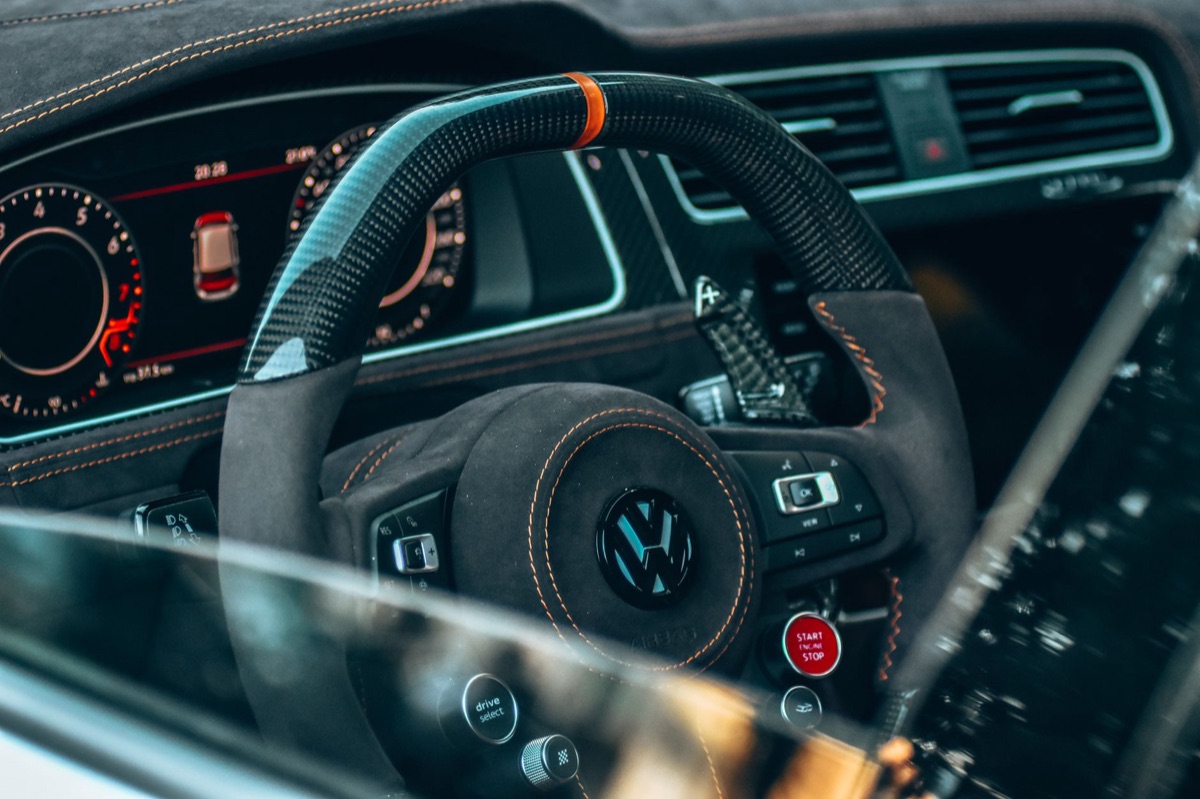
Standing on a damp track in early morning mist in 2025, the silence of a high-performance EV can feel eerie compared to the thunder of a traditional V8.
You grip the steering wheel, expecting the vibration of an idling engine to pulse through your palms, but instead, there is only a quiet, expectant tension.
The challenge for legacy manufacturers is "Emotional Engineering." For decades, the soul of a car like the Mercedes-AMG GT was found in its exhaust note and the rhythmic surge of power.
In the electric era, brands are tasked with replacing that mechanical connection with simulated acoustic landscapes and incredibly precise torque vectoring.
The transition from the visceral AMG GT V8 to the high-performance electric motors in the AMG.EQ range represents a massive shift in engineering philosophy. Instead of tuning gear ratios, engineers now focus on how software manages the delivery of massive electric current.
The "Instant Torque" paradox is the primary hurdle for luxury engineers. While instant power is a hallmark of EVs, too much of it can feel violent and unrefined, stripping away the elegance expected in a premium vehicle.
The goal is to use software to smooth out the delivery, making the surge feel like a natural, controlled swell rather than a digital jolt.
Ultimately, the battle is between silicon and steel. In the past, performance was tuned by adjusting physical components; now, it is defined by how effectively software can govern the relationship between the battery and the wheels.
Architecture Wars: Dedicated EV Platforms vs. Hybrid Transitions
A technician leans over a low-profile chassis in a brightly lit workshop in late 2025, measuring the distance between the floor and the battery casing. The car sits incredibly low to the ground, its center of gravity nearly at the level of the asphalt.
The debate between dedicated EV platforms and hybrid transitions is central to modern automotive architecture. The "Skateboard" advantage—seen in dedicated platforms like the Porsche J1—allows engineers to place heavy battery packs between the axles.
This results in a much lower center of gravity and better weight distribution than traditional cars.
In contrast, many luxury brands are utilizing the Hybrid Bridge. Brands like Ferrari and Lamborghini use Plug-in Hybrid (PHEV) technology to maintain the character of an engine while meeting tightening emissions standards.
This allows them to keep the sound and feel of an ICE engine while using electric motors to fill in torque gaps.
Battery placement fundamentally changes handling. In a dedicated EV, the floor-mounted battery pack creates a low roll center, which can make a heavy car feel surprisingly agile during cornering.
However, the sheer mass of these packs remains a struggle for heavy flagship models like the S-Class or 7-Series when compared to mid-engine EV concepts.
| Feature | Dedicated EV Platform | Hybrid Transition (PHEV) |
|---|---|---|
| Weight Distribution | Optimized for low center of gravity | Often front-heavy due to dual systems |
| Interior Space | Maximized by "flat floor" designs | Limited by engine/battery packaging |
| Driving Dynamics | Precision-focused, digital feel | Mechanical character mixed with electric boost |
| Complexity | Streamlined, single-source power | High complexity (two distinct systems) |
As brands move toward pure electric futures, the tension between these two paths will determine which manufacturers own the road and which become relics of the combustion era.
Performance Tuning: How is "Driving Feel" engineered in the EV era?
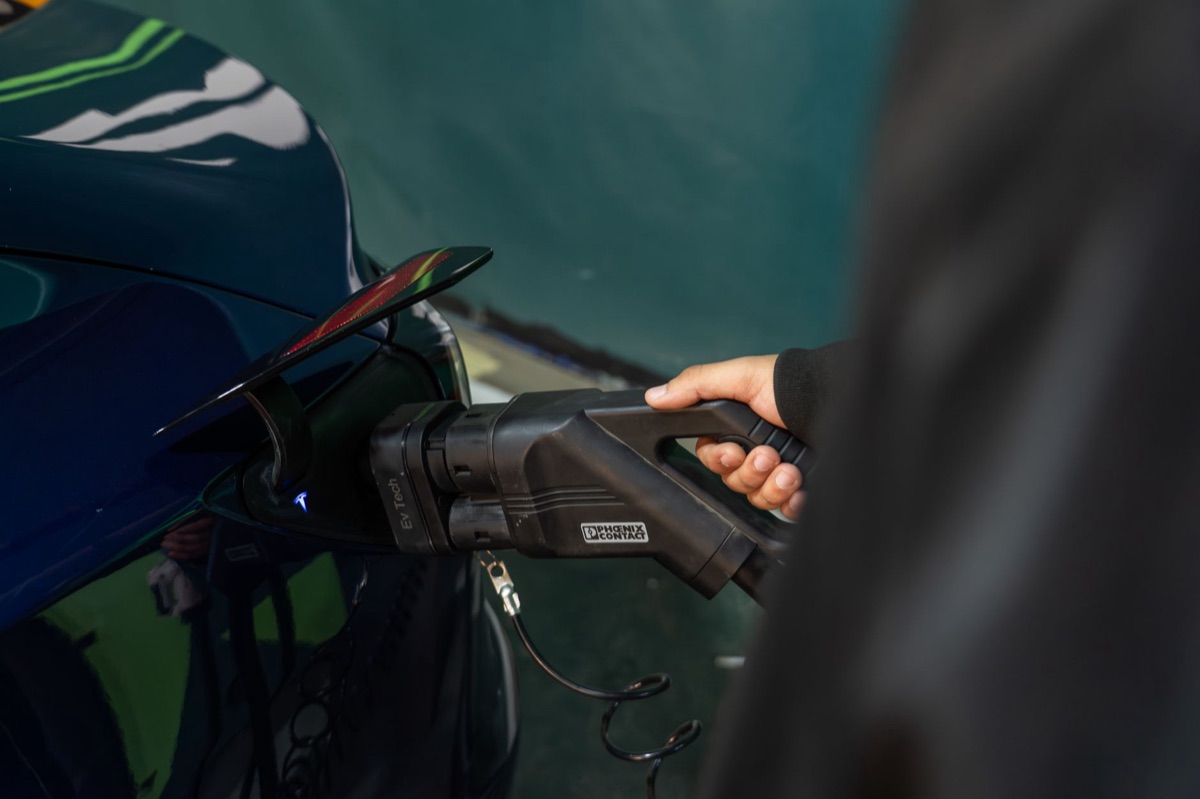
A driver pulls into a charging station at midday in 2026, the sun reflecting off the polished ceramic covers of a high-voltage battery housing. The technician checks the temperature of the coolant lines, noting how much heat was generated during a spirited drive.
Digital torque vectoring has replaced the mechanical limited-slip differential. By using dual-motor setups—one on each axle or even each wheel—software can independently control the power to individual tires.
This allows for cornering-through-software, mimicking the behavior of mechanical components but with microsecond response times.
The debate between 800V and 400V architectures is another critical performance factor. High-voltage systems (800V and above) are essential for ultra-fast charging and allow for thinner, lighter wiring throughout the car.
This architecture also supports sustained high-speed performance without the massive heat buildup seen in lower-voltage systems.
Regenerative braking is no longer just a way to extend range; it is a performance tool. By integrating friction brakes with motor-based deceleration, engineers can create a seamless transition between slowing down and speeding up, allowing for much more precise control during technical driving.
Design Evolution: Does aerodynamic efficiency kill luxury aesthetics?
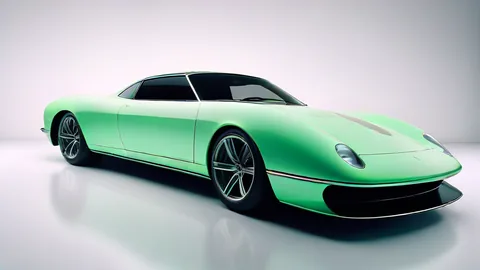
A designer stands in a wind tunnel, watching colorful smoke streams flow smoothly over the curved silhouette of a sleek, aerodynamic sedan. The car has no traditional front grille, but its face looks aggressive and purposeful.
The shift toward "Aero-First" design is reshaping iconic silhouettes. To achieve low drag coefficients, brands are moving toward smoother, more flowing shapes, as seen in the Audi e-tron GT.
While this can sometimes conflict with the aggressive, muscular looks of traditional sports cars, it is necessary to maximize range and efficiency.
The disappearance of the traditional grille is one of the most visible changes. Since electric motors don't require the same massive air intakes for cooling, brands are using "Digital Grilles" and unique lighting signatures to maintain brand identity.
This allows for a cleaner, more futuristic aesthetic that separates EVs from their ICE ancestors.
Interior luxury is also evolving due to battery packaging. The "flat floor" concept—enabled by the absence of a transmission tunnel—allows for radical new interior layouts. This creates lounge-style environments that feel much more spacious than traditional luxury cabins.
The tension remains between "Aggressive Sport" and "Efficient Aero." Designers must balance the desire for a car that looks fast and intimidating with the physical necessity of a shape that cuts through the air with minimal resistance.
The Buyer’s Verdict: Performance, Maintenance, and Future-Proofing
A car owner sits in a quiet garage in 2026, looking at their high-end EV and wondering about its value five years from now. They check their smartphone app to see the battery health and remaining range after a long weekend trip.
When considering a luxury EV, the Total Cost of Ownership (TCO) is a significant factor. While electric drivetrains have fewer moving parts to maintain than ICE engines, the complexity of high-performance hybrid systems can be expensive to service.
For pure EVs, maintenance is often lower, but specialized repairs can be costly.
The depreciation factor is a major concern for luxury buyers. Because battery technology is evolving so rapidly, there is a risk that older EV models will lose value faster than traditional cars. Buyers must weigh the excitement of the latest tech against the potential for rapid obsolescence.
For the true enthusiast, the question is which brands can keep the "driver's car" spirit alive. The winners will be those who use technology to enhance the connection between human and machine, rather than letting the technology become a barrier to emotion.
How to Evaluate a Luxury EV Purchase
If you are considering moving into a high-end electric vehicle, follow this checklist to ensure you are making a future-proof decision:
- Verify Architecture: Check if the vehicle uses an 800V architecture. This is crucial for fast charging and thermal stability during high-performance driving.
- Assess Platform Type: Determine if the car is built on a dedicated EV platform (better handling) or a modified ICE platform (potentially higher weight penalty).
- Evaluate Software Ecosystem: Test the user interface and how seamlessly the car manages torque and regenerative braking. The software is the new transmission.
- Calculate Total Cost of Ownership: Factor in insurance premiums for high-voltage systems and potential battery replacement costs vs. traditional maintenance.
- Check Thermal Management Specs: Ensure the vehicle has advanced liquid cooling for both the battery and motors to prevent power-throttling during summer drives.
#



Comments 0