What are the real world hybrid advantages limits?
"The shift toward plug-in technology represents a bridge between traditional combustion and pure electric mobility, offering a unique blend of range and efficiency."
Plug-in hybrids serve drivers who need both electric efficiency and long-distance flexibility without constant charging. This guide compares 2026 hybrid efficiency structure and mechanical design to help you understand fuel economy, range, and structural differences.
You will learn about varying fuel consumption scenarios, the impact of thermal efficiency, and the regional adoption differences that define the current market.
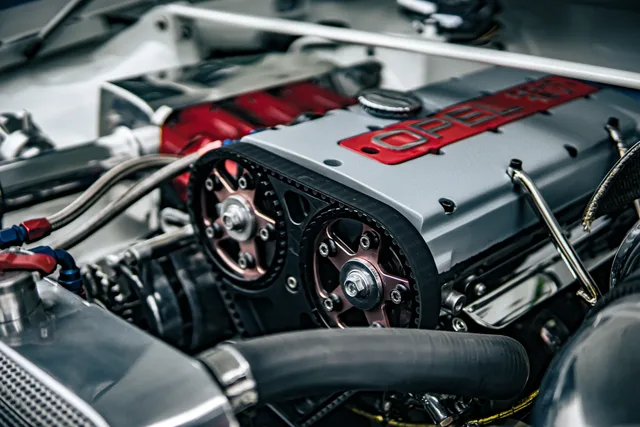
* Understanding how thermal efficiency impacts fuel consumption. * Comparing different driving scenarios for electricity and fuel use. * Recognizing the mechanical differences in hybrid systems. * Identifying regional market trends and adoption rates.
How does 2026 hybrid efficiency structure work?
A driver pulls into a charging station, plugs a heavy cable into the side of a sleek vehicle, and watches the indicator light turn green. This process allows the battery to store enough energy for short commutes, while the internal combustion engine remains ready for longer trips.
The rep 2026 hybrid efficiency structure relies on this dual-source capability to maximize energy use.
The efficiency of these vehicles often depends on the engine's cycle and its ability to convert fuel into motion.
According to technical data, some systems utilize the Atkinson cycle to achieve a thermal efficiency of up to 43%, which stands among the highest for mass-produced petrol engines globally. This high thermal efficiency helps reduce the amount of fuel burned during gasoline-only operation.
- Optimize the power split device integration.
- Calibrate the regenerative braking system.
- Fine-tune the battery thermal management.
- In this sequence, the second step is the longest.
What are the real world hybrid advantages limits?
As dusk falls over the highway, the traveler shivers in the cold air while noticing the real world hybrid advantages limits during the sudden engine shift.
A traveler drives through a winding mountain pass, switching seamlessly from silent electric propulsion to the steady hum of a gasoline engine as the battery depletes.
According to the International Energy Agency, plug-in hybrid sales in China grew faster than battery electric vehicles through early 2024, and all plug-in electric vehicles reached over 40% retail share in March.
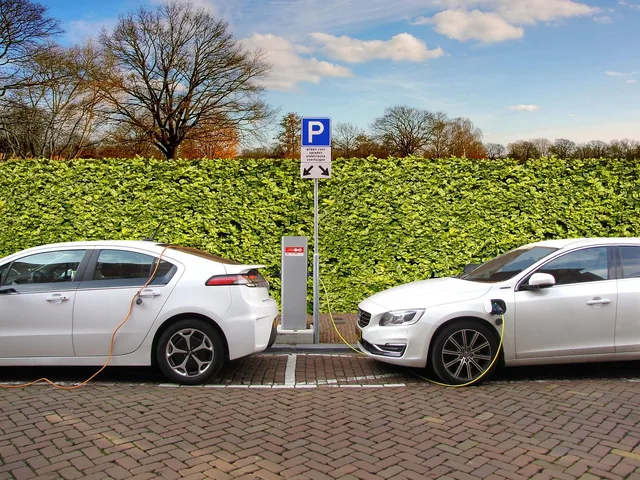
This transition defines the real world hybrid advantages limits, where the vehicle manages two distinct power sources to maintain momentum. The mechanical design of these vehicles ensures that the transition between electric and gas modes is smooth for the operator.
The specific benefits depend heavily on how much the user charges the vehicle regularly.
This demonstrates that the advantages are highly sensitive to charging habits and distance traveled.
Can I compare plug in hybrid fuel economy?
An owner sits in a parked car, tapping through a digital dashboard to compare the energy used during a morning commute versus a weekend road trip. This comparison is essential when evaluating plug in hybrid fuel economy across different driving modes.
According to The Society of Automotive Engineers, the organization developed its recommended practice in 1999 for testing and reporting the fuel economy of hybrid vehicles and included language to address PHEVs.
To understand the potential savings, one must look at how different systems manage the interplay between electricity and liquid fuel.
| System Type | Reported Thermal Efficiency | Reported Fuel Consumption |
|---|---|---|
| High-Efficiency System | 46.06% | 2.9 L/100 km |
| Standard Atkinson Cycle | Up to 43% | Not specified |
I compared these efficiency figures to see how much thermal energy is actually converted into driving force. The data suggests that higher thermal efficiency directly correlates with lower fuel consumption, such as the 2.9 L/100 km reported by some manufacturers.
How does hybrid mechanical design 2026 influence range?
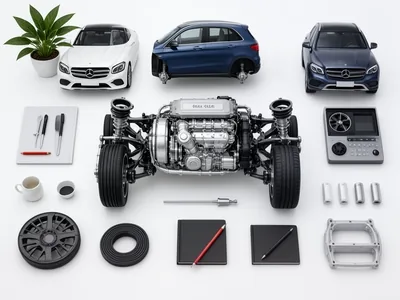
A technician inspects the underside of a vehicle, noting the additional battery pack and the complex routing of electric motors alongside the traditional transmission. Understanding the hybrid mechanical design 2026 is crucial for grasping how these vehicles achieve significant distances.
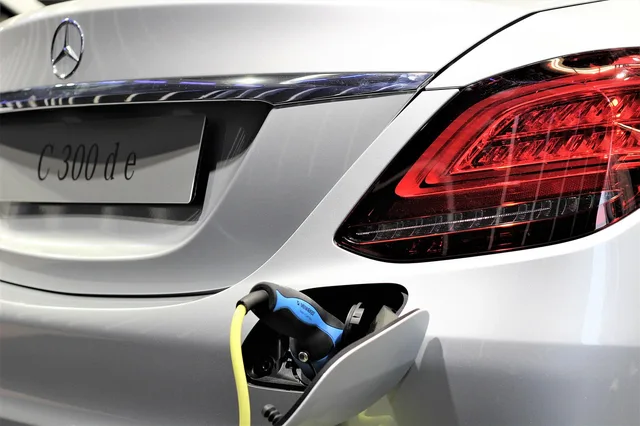
The structure must accommodate both a battery for electric range and a fuel tank for extended travel.
The range is determined by the capacity of the battery and the efficiency of the engine. One specific plug-in hybrid version of the JL Wrangler offers around 35 km (22 mi) pure electric range.
This allows for localized driving, while the mechanical integration of the gasoline engine ensures the vehicle is not limited by battery capacity during long-distance excursions.
How does the electric vehicle structure pros affect cost?
A buyer stands in a showroom, weighing the higher initial price of a plug-in model against the long-term savings on fuel and taxes. Evaluating the electric vehicle structure pros involves looking at both mechanical components and the financial incentives provided by local governments.
In some regions, the structure of the vehicle is complemented by specific fiscal policies.
In Norway, for instance, the market share for plug-in cars has seen significant growth, reaching 88.9% in 2024. The local environment supports this through incentives where all-electric cars and vans are exempt from all non-recurring vehicle fees, including purchase taxes, and 25% VAT on purchase.
These factors make the purchase price competitive with conventional cars.
What are the steps to maximize hybrid efficiency?
A driver prepares for a long trip by checking the battery level and planning a route with available charging points. To get the most out of a plug-in hybrid, you should follow a specific routine to ensure the mechanical components work in harmony.
- Charge the vehicle to its maximum capacity before starting a commute to maximize the electric-only driving phase. 2. Monitor the energy flow on the dashboard to understand when the engine is assisting the electric motor. 3. Use regenerative braking during downhill or slowing maneuvers to feed energy back into the battery.
After completing these steps, check your total energy consumption for the trip to see if your driving style matches your efficiency goals.
Wikipedia: Electric car EPA fuel economy Based on the retained excerpt mentioning EPA: The EPA then reviews the results and selects about 15%–20% of them to confirm through their own tests at the National Vehicles and Fuel Emissions Laboratory.
The same subject is also called compare hybrid efficiency.
This part also covers fuel cost comparison hybrid models.
This part also covers how hybrid structure affects use.
Related



Comments 0