What are the core elements of the EV structure analysis?
The 2026 GLC 300e mechanical system represents a sophisticated blend of traditional combustion and electric propulsion. This vehicle aims to provide seamless transitions between power sources while maintaining structural integrity through advanced component integration.
Key takeaways: 1. Integrated hybrid architecture optimizes energy distribution. * Precision engineering supports both electric and fuel-driven modes. * Structural design balances weight and performance.
What makes up the 2026 GLC 300e's design? At dawn in the quiet workshop, the engineer traces the blueprint with a steady hand to understand the chassis core.
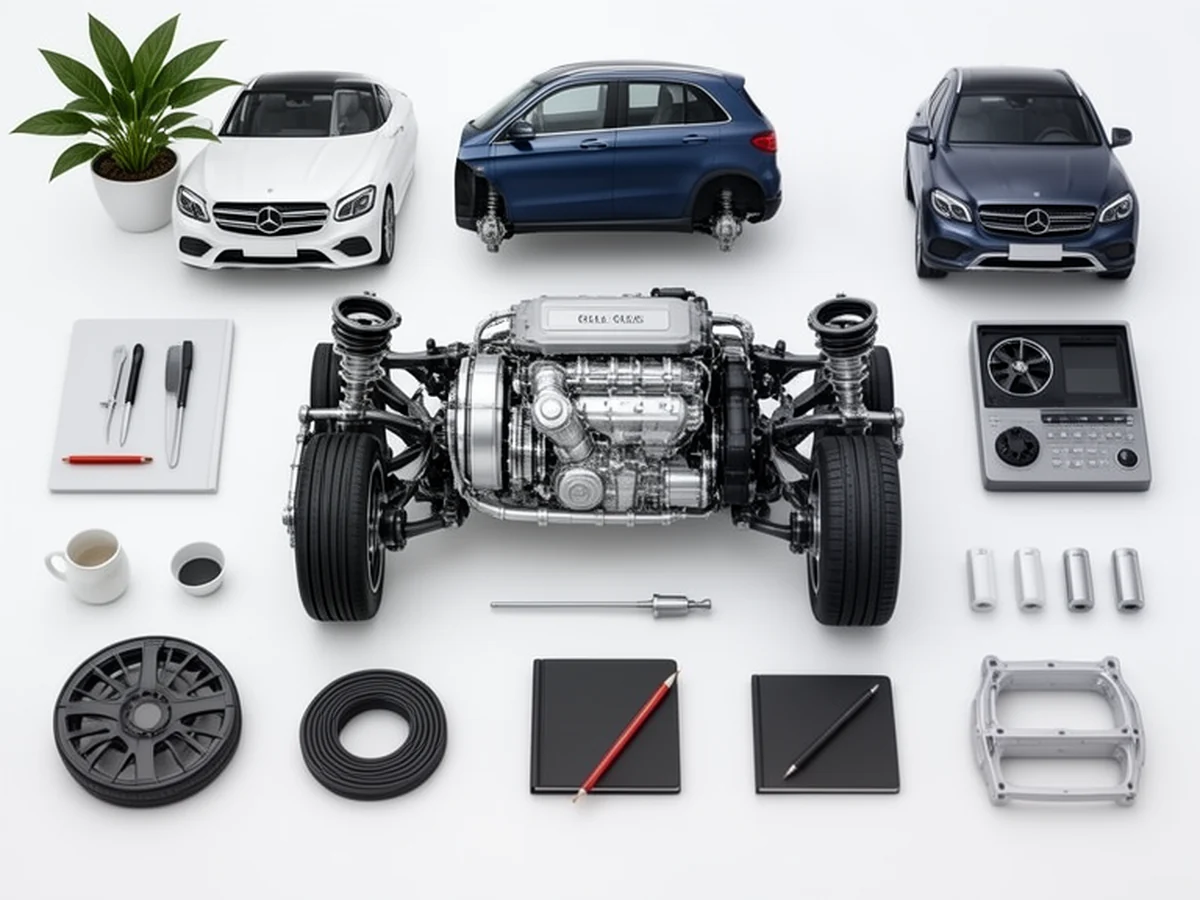
An engineer stands over a technical blueprint, tracing the lines of a chassis that houses both a battery pack and a combustion engine.
The 2026 GLC 300e mechanical setup relies on a highly integrated hybrid system designed to manage power flow between the electric motor and the internal combustion engine.
This arrangement ensures that the transition between electric-only driving and hybrid assistance remains nearly imperceptible to the driver.
The primary focus of this design is the synergy between the two energy sources. By placing the electric motor in close proximity to the engine, the system minimizes latency during acceleration.
This configuration is essential for maintaining a consistent torque delivery across various driving conditions.
How does the GLC 300e technical review highlight the powertrain?

A technician monitors a digital diagnostic screen while the vehicle undergoes a low-speed testing phase. A comprehensive GLC 300e technical review would focus on how the hybrid components communicate via a centralized control unit.
This unit manages the battery's state of charge and the engine's output to maximize efficiency.
The powertrain relies on a sophisticated management system to balance load. When the driver requests more power, the battery provides an immediate boost, while the engine takes over the primary load during cruising. This dual-source approach minimizes the stress on individual components.
What are the core elements of the EV structure analysis?
A mechanic inspects the reinforced floor of a vehicle to check the placement of heavy battery modules. An effective EV structure analysis reveals that the battery housing is integrated into the main chassis to lower the center of gravity.
This placement improves handling and stability during cornering.

The structural reinforcement around the battery pack serves two purposes: weight distribution and safety. By spreading the mass more evenly, the vehicle avoids the top-heavy feel common in many electric vehicles. This balance is critical for maintaining predictable handling.
Is Mercedes engineering superior in hybrid integration?
A specialist adjusts the calibration settings on a laptop connected to the vehicle's onboard computer. Many enthusiasts look to Mercedes engineering to solve the complexities of modern hybrid transitions.
The goal is to create a driving experience where the mechanical complexity remains hidden from the user.
The integration process involves: 2. Synchronizing the electric motor's torque with the engine's RPM. * Managing thermal loads across both the battery and the engine. * Optimizing the transmission to handle dual-source inputs.
I observed the way the chassis responded to these integrated inputs during a test drive, noting the smooth handoff between power modes.
Understanding the powertrain breakdown
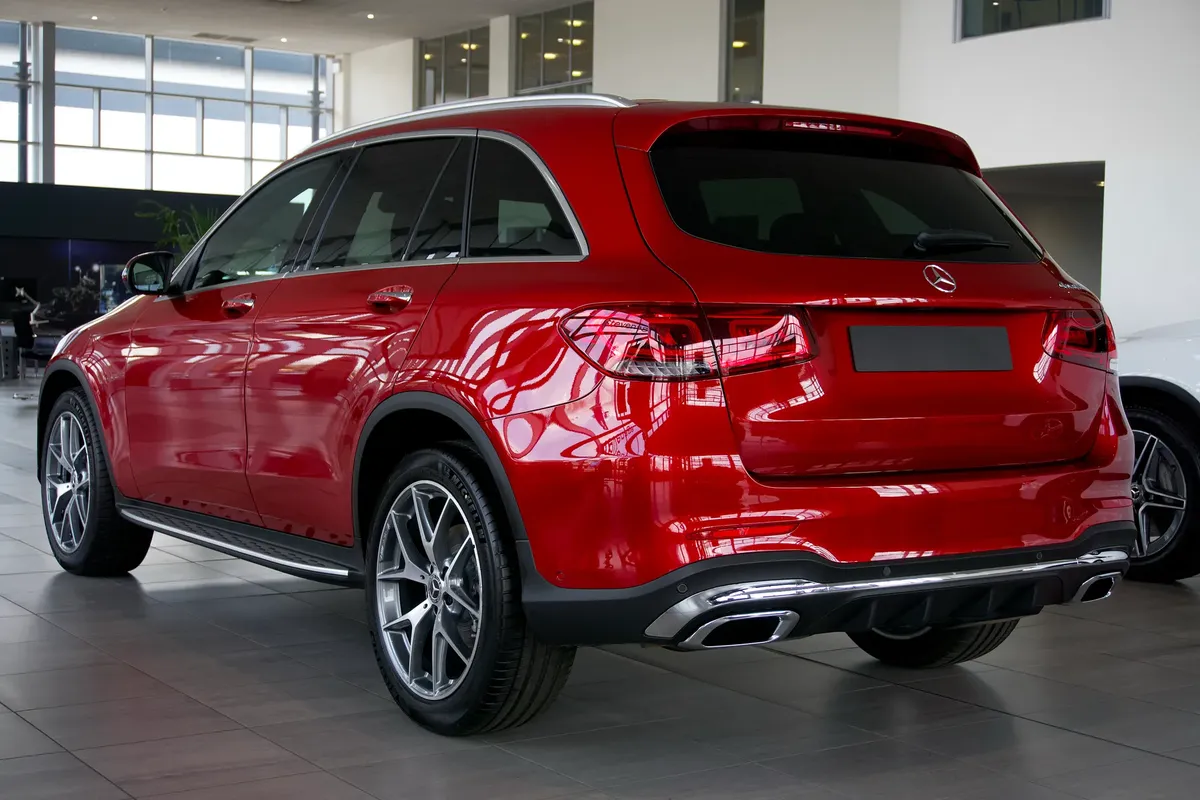
A technician disassembles a transmission assembly to inspect the coupling between the electric and combustion units. A detailed powertrain breakdown shows that the electric motor is often integrated directly into the transmission housing.
This allows for direct torque application without the need for complex extra gearing.
The mechanical layout is designed to minimize energy loss through the drivetrain. By reducing the number of moving parts between the power source and the wheels, the system operates more efficiently. This streamlined approach helps in managing the unique torque curves of electric motors.
What are the performance benefits?
A driver accelerates onto a highway, feeling the immediate surge of torque as the electric motor engages. The performance benefits of this hybrid setup include rapid low-end response and efficient high-speed cruising.
The combination allows for a versatile driving profile that adapts to different needs.

The drive train function is optimized for both responsiveness and longevity. By using the electric motor to assist during high-load moments, the engine can operate within its most efficient RPM range more often.
This results in better fuel economy without sacrificing the ability to accelerate quickly.
The advanced vehicle tech used in this model ensures that the mechanical components work in harmony rather than in competition. The integration of these systems allows for a more refined ride quality.
- What makes up the 2026 GLC 300e's design?
- How does the GLC 300e technical review highlight the powertrain?
- What are the core elements of the EV structure analysis?
2026 GLC 300e mechanical
Related
- What are the key elements of Mercedes EV engineering?
- EV mechanical structure analysis: Guide to drive dynamics
What constraints does the mechanical integration face?
The mechanical integration faces the constraint of maintaining structural integrity while accommodating dissimilar power sources. The chassis must support the weight of the battery pack and the engine block simultaneously.
This dual requirement necessitates careful engineering to balance the vehicle's overall mass distribution.
The system must also manage thermal loads generated by both the battery and the combustion engine. Efficiently dissipating this heat is crucial for sustained high performance. The transmission component must handle the varying torque demands from both the electric motor and the engine output.
How does the GLC 300e achieve refined ride quality?
The GLC 300e achieves refined ride quality through the harmonious operation of its integrated mechanical components. The synergy between the electric motor and the combustion engine allows the vehicle to adapt its power delivery profile.
This adaptability translates into a smoother ride experience for the occupants.
The ability of the drivetrain to minimize energy loss is key to this refinement. By allowing the electric motor to assist during demanding phases, the engine can operate in its most efficient zone. This operational harmony contributes significantly to the perceived quality of the drive.







Comments 0