EV charging strategy: Your guide to home vs public charging
"The transition to electric mobility requires a fundamental shift in how we view energy replenishment."
An effective EV charging strategy involves balancing the convenience of residential setups with the accessibility of public infrastructure to ensure constant readiness.
This guide explores the nuances of home vs public charging, provides a charging efficiency guide for various driving needs, and offers a comprehensive home charging comparison to help owners navigate their daily energy management.
How do we balance home vs public charging?
As the sun sets over the driveway, a driver grips the heavy cable while charging the silent vehicle for the morning commute.
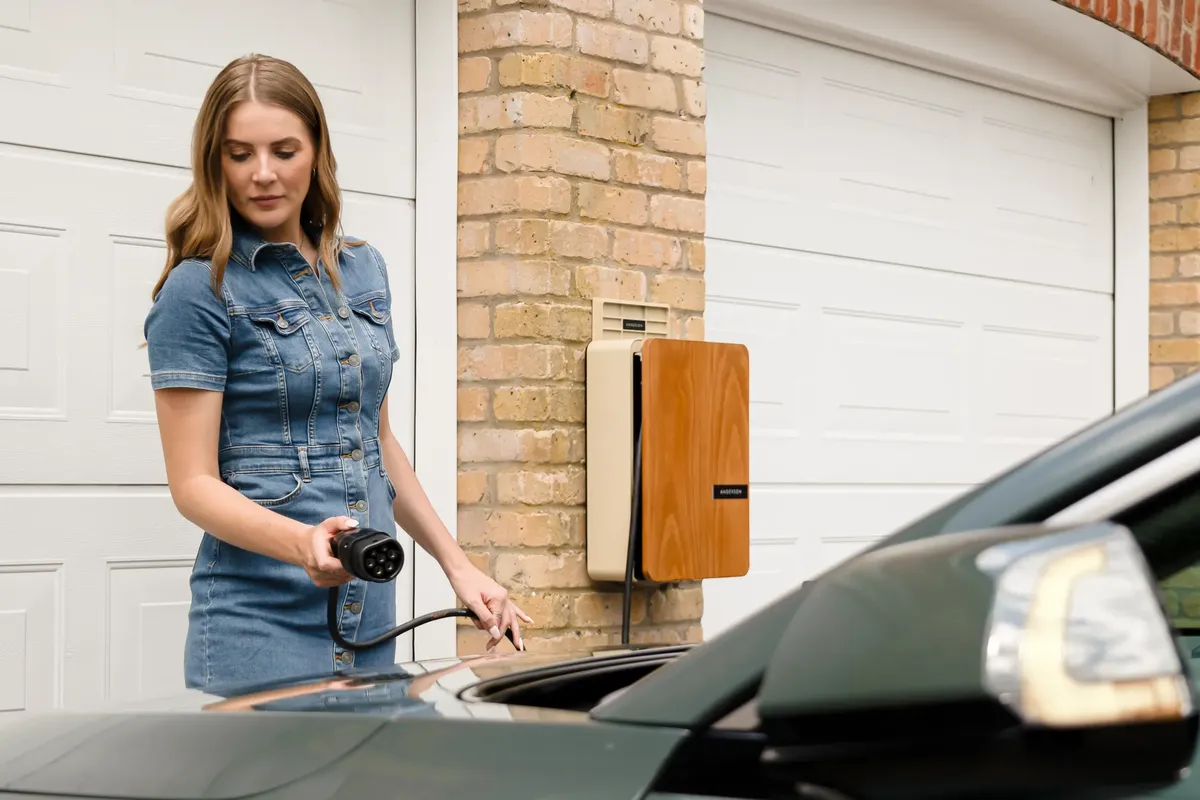
A driver pulls into a driveway, plugging a heavy cable into the side of a silent vehicle as the sun sets. This routine represents the primary method for most owners, where the vehicle remains stationary for long periods.
The decision between residential and external power sources depends heavily on daily mileage and access to infrastructure.
For most, the primary method is to utilize a home setup to maintain a full battery overnight, while public stations serve as a secondary resource for longer trips or during daytime errands.
This dual approach ensures that the vehicle is always prepared for the next journey without the constant stress of range anxiety.
A driver looks at a smartphone app, checking the status of a charging station in a busy city center. This represents the reality for urban dwellers who may not have a dedicated garage or private outlet.
The balance between these two methods is often dictated by the user's living situation and the availability of high-speed infrastructure. While home charging provides stability, public charging offers the speed necessary to keep moving during transit.
Successful users often combine these methods to maintain a seamless driving experience.
- Assess your daily mileage to determine base energy needs.
- Identify local public charging availability for long-distance trips.
- Calculate the cost difference between residential rates and public station fees.
How can we optimize ev charging?
In the dim light of the garage, a hand adjusts the wall-mounted dial to manage the heat of the charging process.
A driver adjusts the settings on a wall-mounted charger, selecting a specific current to manage the heat and speed of the transfer. This careful adjustment is key to maintaining battery health over long-term use.
To optimize ev charging, users should prioritize slow, steady replenishment during overnight hours to minimize battery degradation. This practice allows the vehicle to reach a full charge without the high-heat stress associated with rapid, high-voltage bursts.
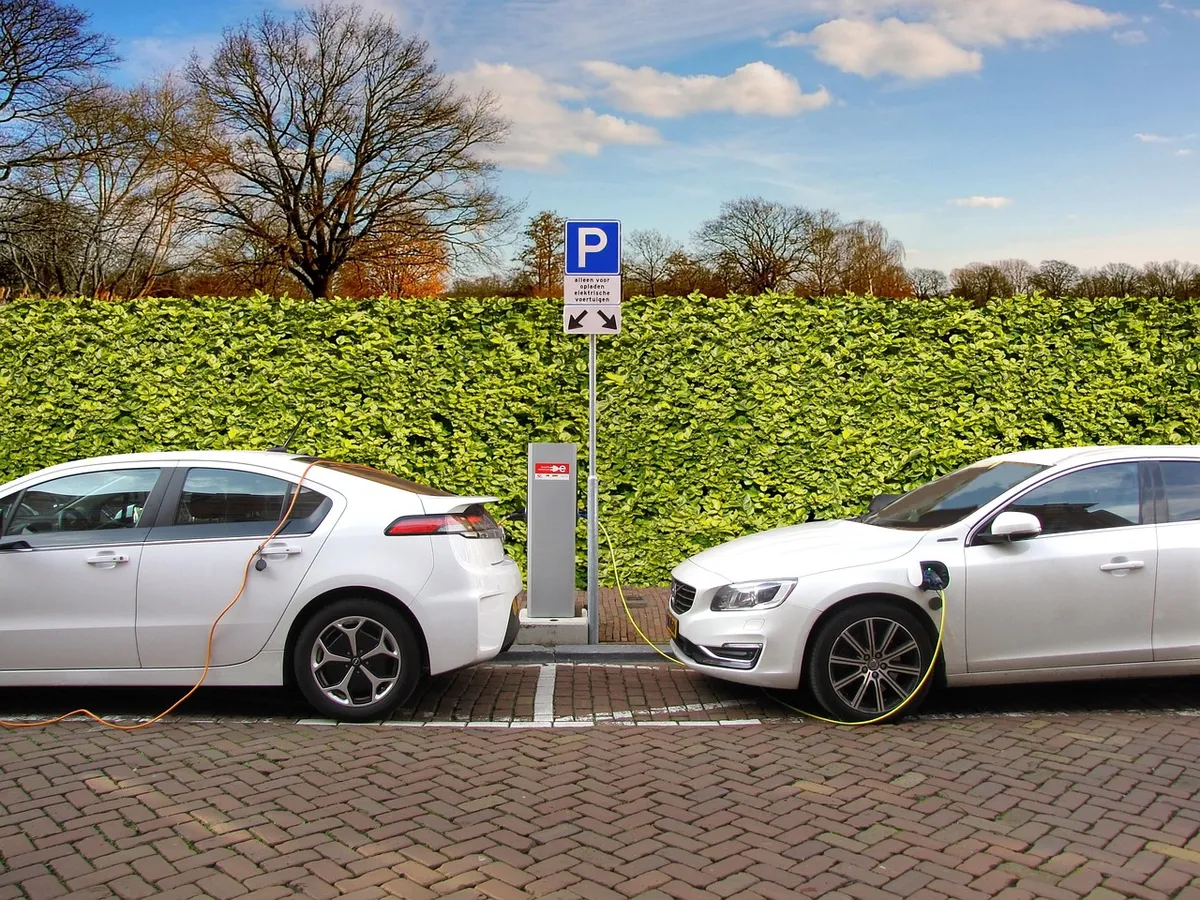
For those on the move, using high-power stations strategically is essential.
| Charging Type | Primary Use Case |
|---|---|
| Home Charging | Overnight replenishment and daily routine |
| Public Charging | Long-distance travel and urban transit |
I once spent an entire evening adjusting the charging schedule on my home unit to ensure it coincided with lower electricity rates. This careful planning is a vital part of managing the total cost of ownership.
Effective management requires a two-step approach: 1. Set a baseline charge level at home to cover daily commuting needs. 2. Utilize public rapid chargers only when high-speed replenishment is required for distance. 3. Regularly check the vehicle's software for updated charging protocols.
Always verify that the charging equipment is compatible with the vehicle's specific voltage requirements before initiating a session.
In this sequence, the second step is the most comprehensive.
What does a charging efficiency guide look like?
A technician inspects a robust charging cable, ensuring the connectors are clean and free of debris before plugging them in. This maintenance ensures that energy transfer remains efficient and safe.
According to the Norwegian Electric Vehicle Association, if the country wants to reach the ambitious climate goals set by the Parliament, the next goal is to have 400,000 battery electric vehicles by 2020.
A practical charging efficiency guide focuses on minimizing energy loss and maximizing the time spent driving. One of the most effective ways to maintain efficiency is to avoid frequent, small top-up sessions at high-power stations, which can be more costly and time-consuming.
Instead, aim for a full charge at a low-power source whenever possible.
The efficiency of the process is often tied to how much energy is lost through heat during the transfer. Using the correct cable thickness and ensuring a secure connection can prevent unnecessary energy dissipation.
For those traveling long distances, understanding the difference between standard AC charging and rapid DC charging is essential for time management.
How do we conduct a home charging comparison?
A homeowner stands in a garage, looking at the installation of a new wallbox compared to a standard wall outlet. This comparison highlights the difference between convenience and speed.
A thorough home charging comparison takes into account the installation cost, the speed of the charge, and the electrical capacity of the residence. While a standard outlet can provide a slow trickle, a dedicated wallbox is designed for much faster and more reliable energy delivery.
In some regions, the transition to electric vehicles has been rapid. For example, in December 2016, Norway became the first country where five in every 100 passenger cars on the road were plug-in; it later attained 10% in October 2018 and reached 25% in September 2022.
This rapid growth underscores the necessity of having reliable home infrastructure.
The choice often comes down to the level of investment versus the level of convenience. A dedicated unit provides a much faster turnaround, whereas a standard outlet may take much longer to reach a full charge.
Can we apply these strategies to an existing condition?
A driver navigates through heavy traffic, watching the battery percentage fluctuate as they move through the city. This real-world scenario requires constant adjustment of charging habits.
If you already own an electric vehicle, you can apply these strategies by auditing your current usage. Follow these steps to transition your habits: 1. Evaluate your typical daily mileage to determine your minimum required charge level. 2.
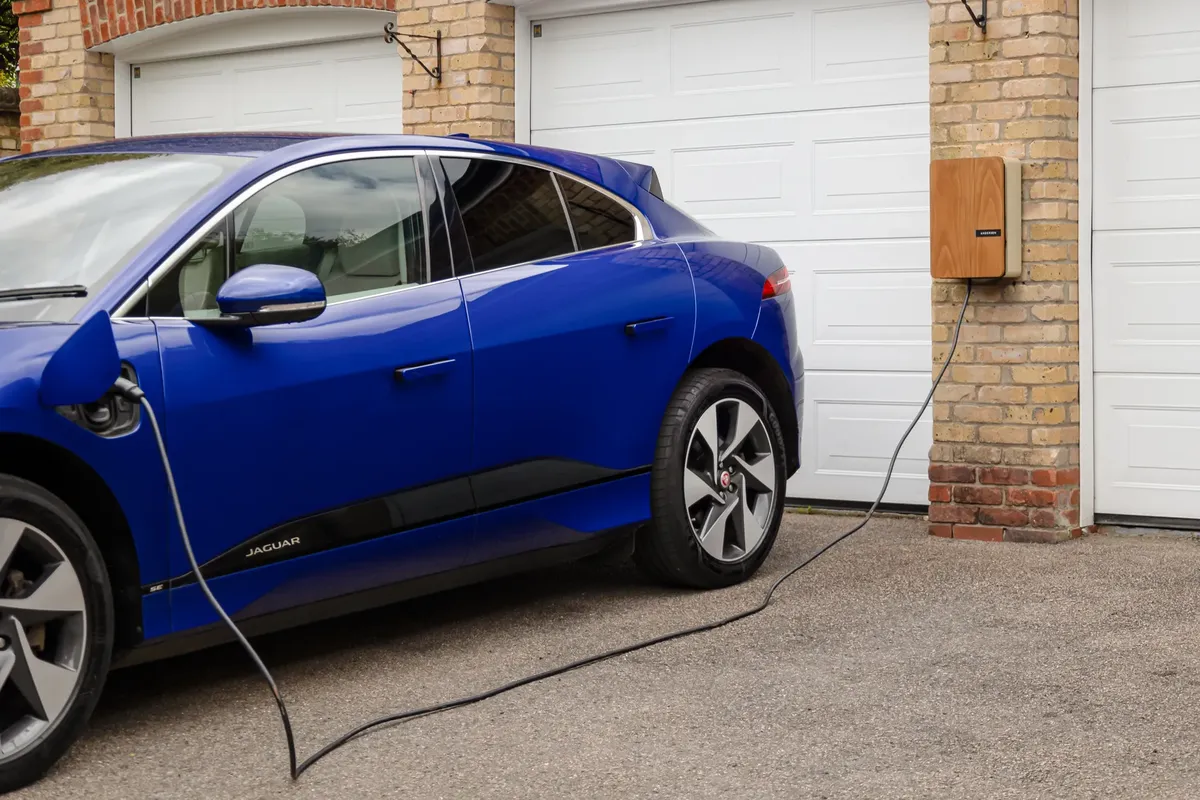
Install a dedicated home charging unit if your current setup is too slow for your needs. 3. Map out public charging locations along your most frequent travel routes.
A final check involves reviewing your energy costs and battery health reports to see if your current strategy is meeting your needs.
A limitation of these strategies is that they are heavily dependent on the local power grid's capacity and the availability of compatible hardware.
Wikipedia: Plug-in electric vehicles in Norway (full) Based on the retained excerpt mentioning Association (Norsk Elbilforening) Conducted A Survey: In June 2013, the Norwegian Electric Vehicle Association (Norsk Elbilforening) conducted a survey among all-electric car owners, with a total of 1,858 respondents, representing over 15% of all the electric car owners in Norway.
Related




Comments 0