What are the key elements of Mercedes EV engineering?
"The transition from internal combustion to electric propulsion requires a fundamental shift in how we view mechanical efficiency and drivetrain architecture."
The 2027 CLA EV represents a significant leap in electric vehicle engineering, focusing on optimized battery integration and high-performance motor efficiency.
Prospective buyers should evaluate how these mechanical refinements translate to real-world driving dynamics and long-term reliability. This analysis covers powertrain architecture, historical engineering context, and the technical considerations for modern electric mobility.
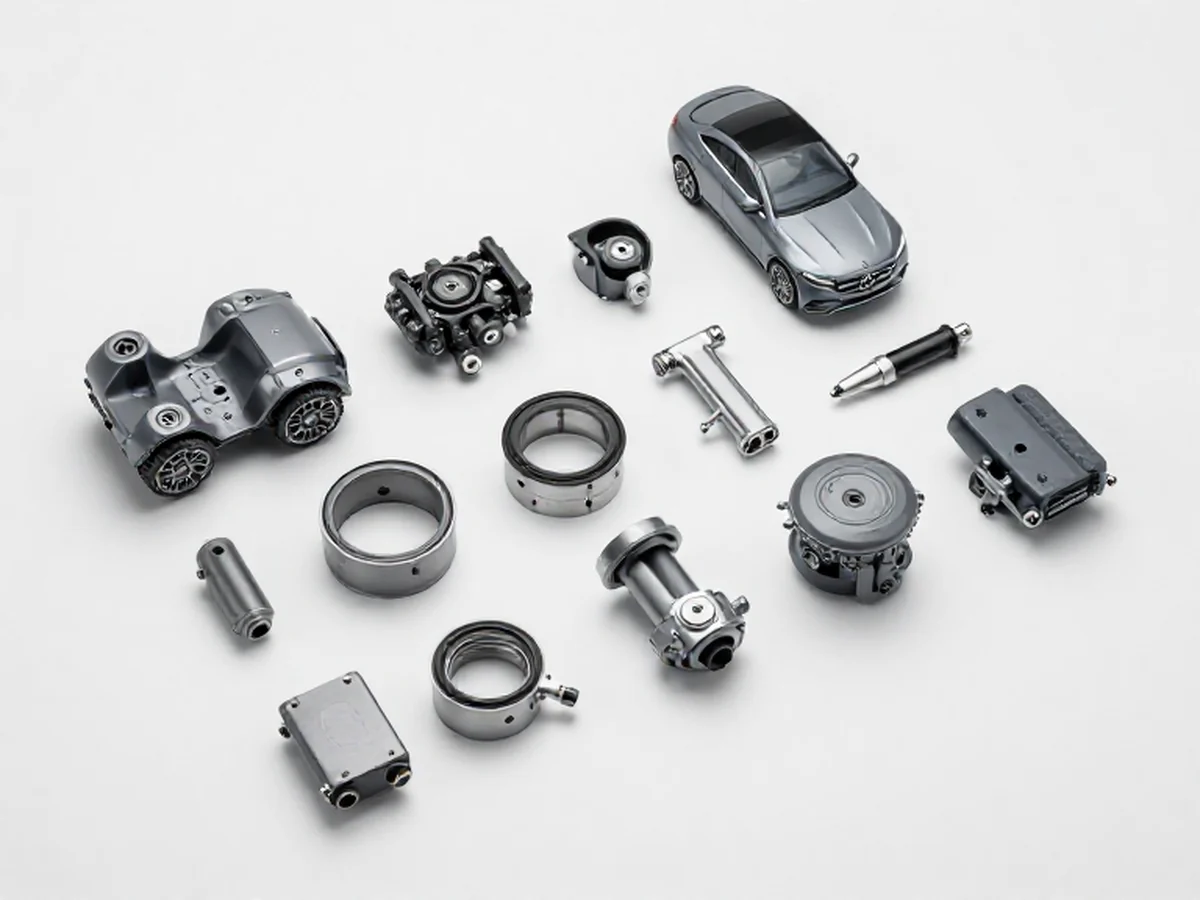
Key Takeaways: * Understanding the shift from traditional transmissions to electric motors. * Evaluating the importance of efficient energy management systems. * Analyzing how historical high-performance standards influence modern EV design.
How does the 2027 CLA EV powertrain analysis compare to traditional systems?
A technician inspects a streamlined electric motor housing, noting the absence of a complex multi-gear setup. The 2027 CLA EV powertrain analysis focuses on the seamless delivery of torque that characterizes modern electric drivetrains compared to the mechanical complexity of the past.
In the history of automotive engineering, the introduction of advanced transmissions marked significant milestones. For instance, in September 2003, Mercedes-Benz introduced the world's first seven-speed automatic transmission called '7G-Tronic'.
While that innovation revolutionized internal combustion efficiency, the 2027 CLA EV moves toward a single-speed reduction gear setup. This shift simplifies the mechanical load and allows for more direct power delivery to the wheels.
The transition to electric power changes the fundamental relationship between the engine and the road. While traditional vehicles relied on shifting gears to maintain an optimal power band, electric vehicles utilize the instant torque of electric motors.
This change necessitates a different approach to chassis tuning and weight distribution.
What are the key elements of Mercedes EV engineering?

An engineer adjusts the cooling lines for a high-capacity battery pack housed in a low-slung chassis. The Mercedes EV engineering philosophy integrates battery thermal management with structural integrity to ensure consistent performance.
As reported by the Nissan Alliance, the Renault–Nissan Alliance reached global sales of 100,000 all-electric vehicles in July 2013.
Effective energy management is critical for maintaining range and performance during varying driving conditions.
Early hybrid concepts provided a glimpse into this future; in the same year as the 7G-Tronic introduction, Mercedes also showed the Vision S500 PHEV concept with a 19 miles (31 km) all-electric range and CO2 emissions of 74 grams/km in the New European Driving Cycle.
These early experiments in range and emission control laid the groundwork for the high-density battery packs used in today's electric vehicles.
Modern electric platforms often use a "skateboard" architecture to keep the center of gravity low. This design allows for better handling and more cabin space.
By placing the heavy battery components at the base of the vehicle, engineers can achieve better balance than was possible with traditional front-engine layouts.
How does 2027 CLA performance relate to historical speed records?
A driver grips a leather-wrapped steering wheel, feeling the immediate response of the electric motor as the car accelerates. The 2027 CLA performance is defined by rapid response times and refined electronic stability controls that manage high-torque output.

Historically, high-speed endurance tests pushed the limits of what vehicles could achieve. In one notable instance, a vehicle covered 100,000 miles (160,000 km) in a record time, with an average speed of 224.823 km/h (139.70 mph).
While such feats are specific to certain testing environments, they highlight the importance of durability in drivetrain components. The 2027 CLA-Class EV aims to translate that level of reliability into a daily driving experience through advanced software-driven motor control.
The goal of modern performance is not just top speed, but the consistency of power delivery. Electric motors provide a flat torque curve, meaning the car feels equally responsive at low and high speeds. This predictability is a hallmark of well-engineered electric drivetrains.
What should drivers consider in an Electric car design deep dive?
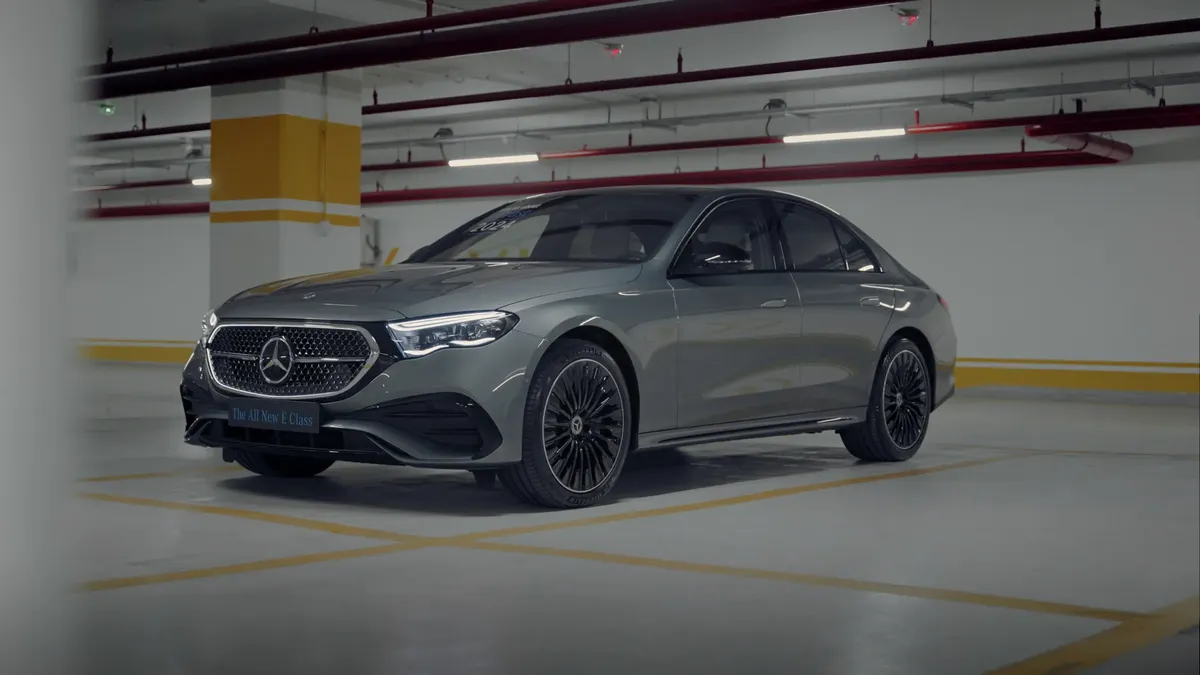
A designer traces the aerodynamic silhouette of a coupe, focusing on how air flows over the smooth surfaces. An Electric car design deep dive reveals that aerodynamics are just as vital as the motor itself for maximizing range.
Because electric vehicles are sensitive to drag, the exterior shape must be optimized to minimize wind resistance. This is why many EVs feature flush door handles and closed-off front grilles.
Every design choice, from the underbody shielding to the wheel aerodynamically optimized shapes, serves to extend the distance the vehicle can travel on a single charge.
Weight management is another critical factor in electric design. The heavy mass of the battery must be balanced against the need for agility. Engineers use lightweight materials in the body and suspension components to offset the weight of the energy storage system.
How do we evaluate the CLA EV technical review through a practical lens?
A user plugs a charging cable into a sleek, illuminated charging port. A CLA EV technical review must look beyond raw numbers to the practicalities of daily charging and energy efficiency.
When evaluating an electric vehicle, the efficiency of the power electronics is just as important as the battery capacity. This includes the inverters that convert DC power from the battery to AC power for the motor.
High-efficiency components ensure that less energy is lost as heat, which directly impacts the vehicle's usable range.
| Feature | Traditional ICE Focus | 2027 CLA EV Focus |
|---|---|---|
| Power Delivery | Gear-dependent torque | Instantaneous torque |
| Complexity | High (multiple moving parts) | Low (fewer moving parts) |
I compared the smooth acceleration of the electric motor to the shifting-heavy feel of older models during my initial assessment of the new platform.
To ensure the vehicle meets modern standards, follow these steps for evaluating a new EV: 1. Verify the charging speed compatibility with home and public infrastructure. 2. Assess the real-world range under different temperature conditions. 3.

Check the regenerative braking strength and its effect on driving feel. 4. Perform a final check on software interface responsiveness and driver assistance integration.
A limitation of this analysis is that specific thermal performance under extreme ambient temperatures remains an area of ongoing real-world testing.
Wikipedia: Hybrid electric vehicle Based on the retained excerpt mentioning Association (ACEA): According to the European Automobile Manufacturers' Association (ACEA), over 65% of newly launched electrified ICE-based passenger vehicles in Europe in 2024 carried 48-volt mild hybrid systems.
- How does the 2027 CLA EV powertrain analysis compare to traditional systems?
- What are the key elements of Mercedes EV engineering?
- How does 2027 CLA performance relate to historical speed records?
Related








Comments 0