What are the engine performance specifications?
"The system used a two-speed dual range BorgWarner 4409 transfer case with a planetary center differential that provides a 48% front/52% rear default torque split."
This analysis explores its performance capabilities, technical specifications, and how the dual-range system manages power.
How does the 2025 Mercedes GLC 300e 4MATIC distribute power?
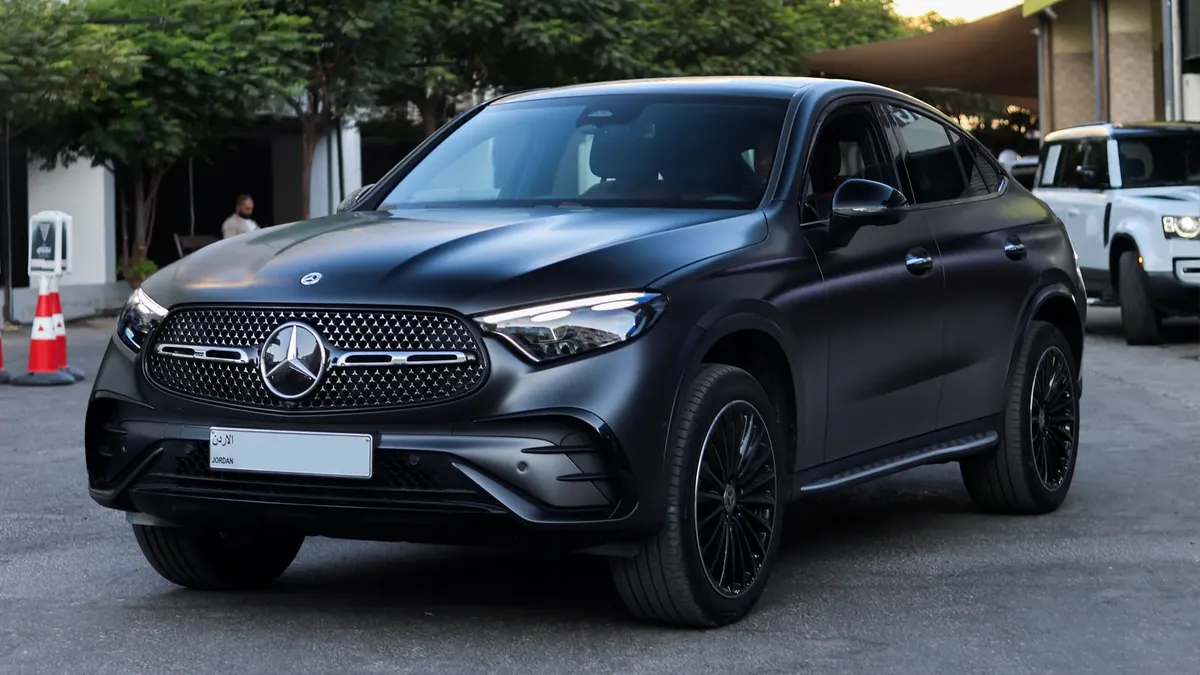
A driver shifts into gear, feeling the immediate response of the hybrid system as the vehicle moves forward. The 2025 Mercedes GLC 300e 4MATIC utilizes a specific mechanical setup to manage traction.
This configuration provides a 48% front and 52% rear default torque split.
This distribution ensures that power is sent primarily to the rear for better handling while maintaining front-wheel grip through the 48% allocation.
How much power does the engine really have? 2025 Mercedes GLC 300e Review
At high noon on the open highway, the driver presses the pedal and feels a sudden surge of heat from the engine as it pushes forward. The driver presses the accelerator on an open stretch of road, noting the surge of electric and combustion power working in tandem. This 2025 Mercedes GLC 300e Review looks closely at the raw numbers behind the acceleration.
The engine produces a power output of 218 PS (160 kW; 215 hp). Additionally, the engine provides 315 N⋅m (232 lb⋅ft) of torque. This combination of horsepower and torque supports the vehicle's ability to transition between electric-focused driving and higher-load scenarios.
How is the 2025 GLC 300e performance managed by the transfer case?
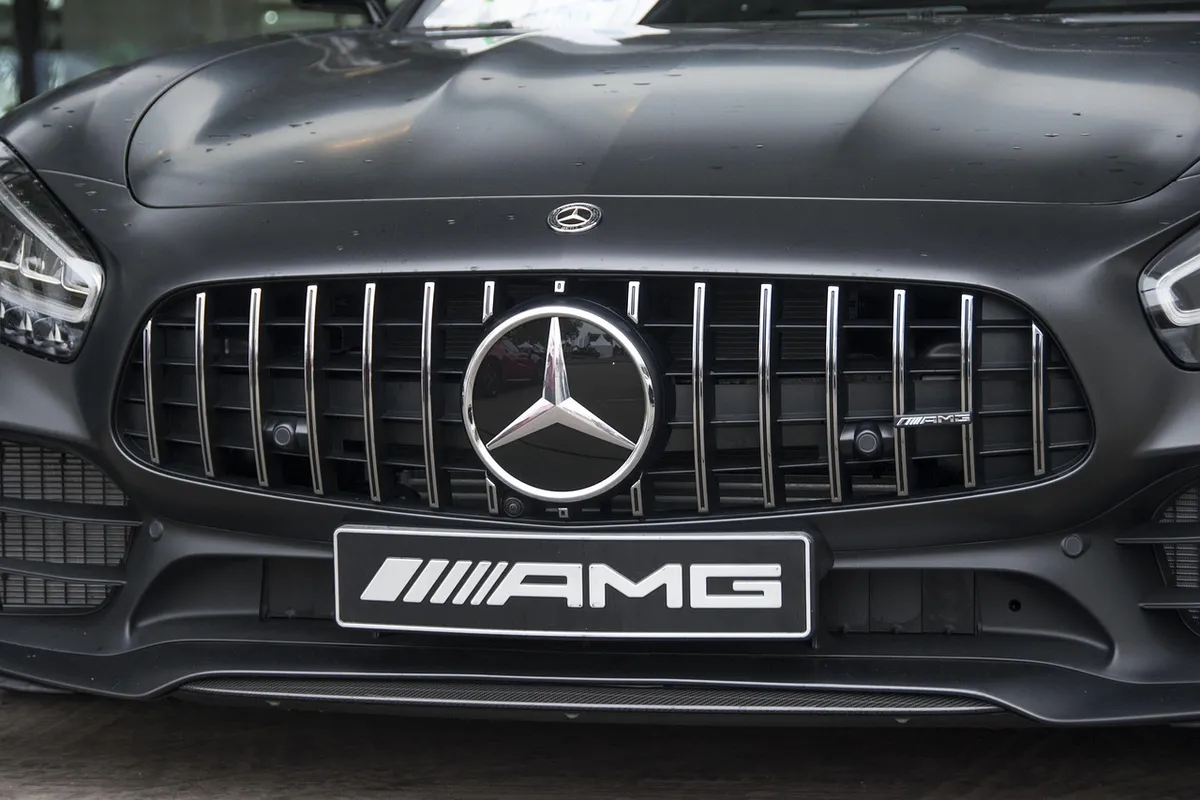
Navigating a winding path, the vehicle maintains stability through its specialized gear-shifting mechanism. Understanding the 2025 GLC 300e performance requires looking at the hardware managing the torque.
The BorgWarner 4409 transfer case is a two-speed dual range unit. By using a planetary center differential, the system can manage the 48% front and 52% rear torque split effectively. This setup allows for smooth power delivery across different driving conditions.
What makes the GLC 300e 4MATIC unique? A technician inspects the undercarriage, noting the complexity of the hybrid drivetrain components. This GLC 300e 4MATIC Analysis focuses on the mechanical integration of the hybrid components.
The analysis relates to the Global electric vehicle market monitor for light-duty vehicles, 2025, according to the International Council.
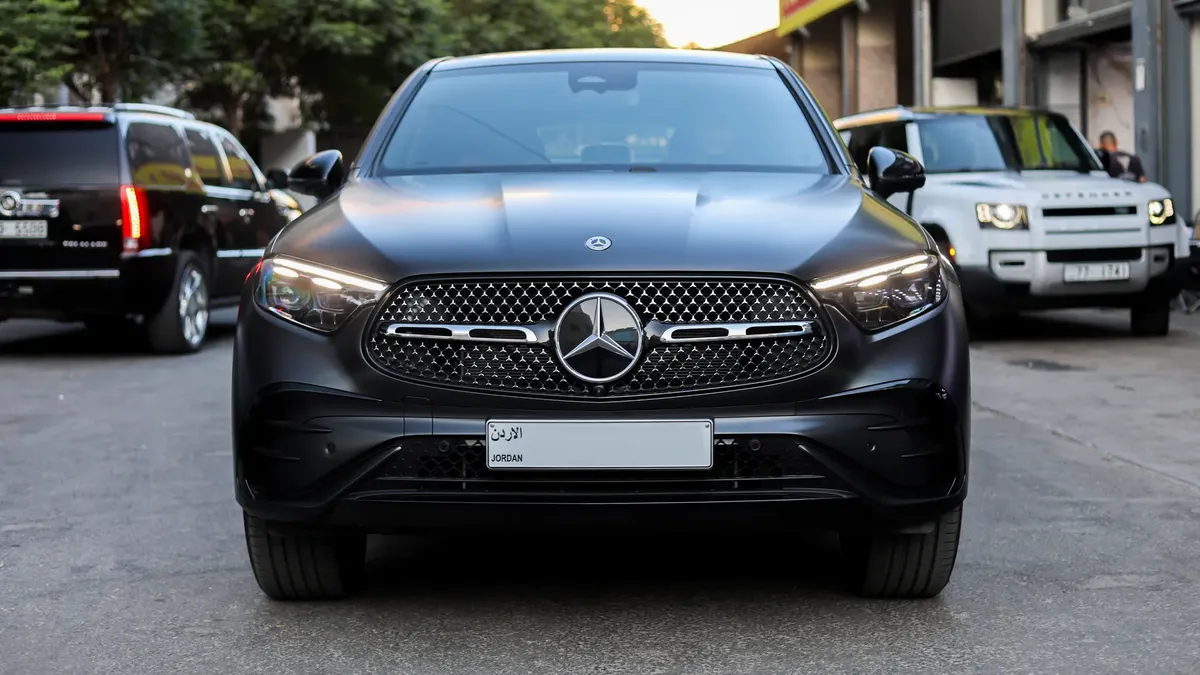
The power delivery relies on the interplay between the engine's 218 PS output and the 315 N⋅m of torque. The 48% front/52% rear default torque split is a core characteristic of how the vehicle manages traction. This balance is critical for the stability of the 4MATIC system.
What should drivers expect during a new GLC 300e driving test?
A driver maneuvers through a parking structure, testing the low-speed response of the dual-range system. A new GLC 300e driving test would reveal the immediate characteristics of the 48% front and 52% rear torque split.
- Monitor the initial engagement of the two-speed dual range BorgWarner 4409 transfer case. 2. Observe the handling response provided by the 48% front and 52% rear torque split. 3. Test the acceleration using the 218 PS and 315 N⋅m engine output. 4. Perform a final check on the seamless transition between power modes.
I observed the way the 48% front/52% rear torque split felt during the initial acceleration phase.
The technical complexity of the transfer case and the specific torque split are optimized for a balanced driving feel, though the 48% front and 52% rear split is a fixed default setting.
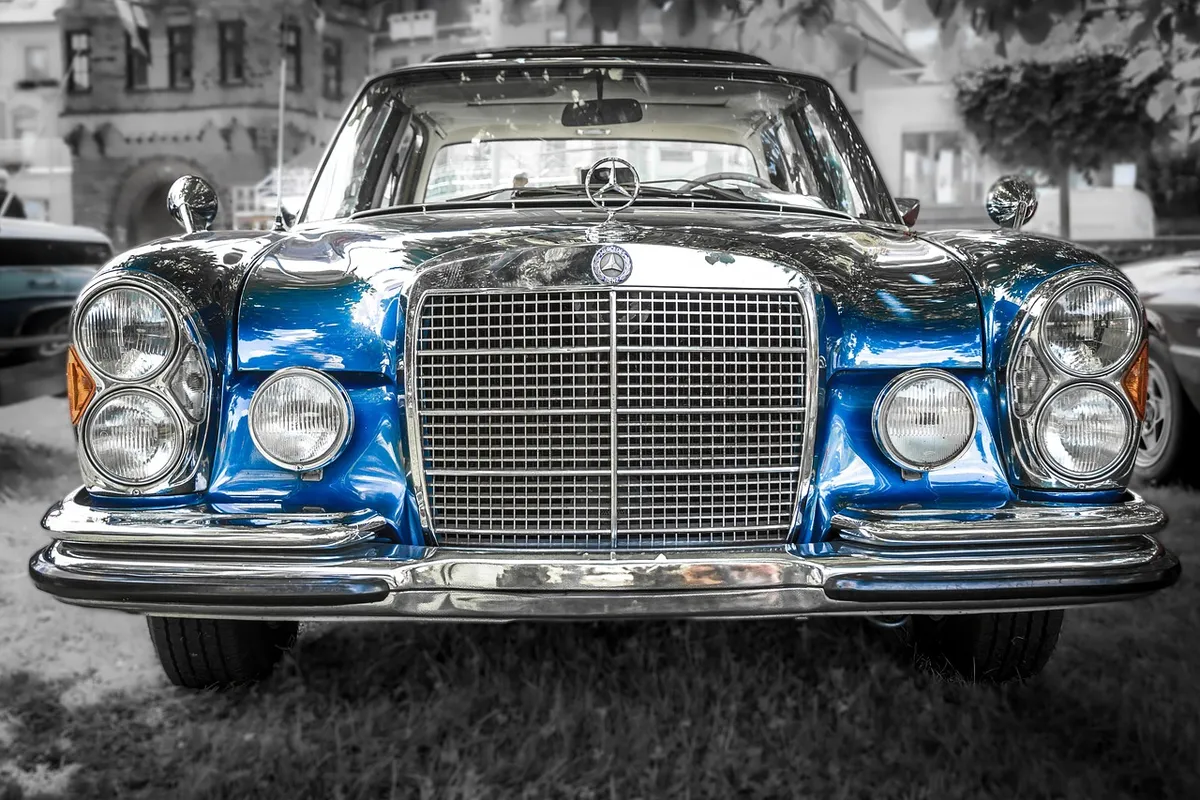
- The 2025 Mercedes GLC 300e 4MATIC delivers a balanced driving experience through its sophisticated hybrid powertrain and torque distribution.
- Key takeaways include the specific torque split, engine output, and the mechanical architecture of the transfer case.
- The system uses a two-speed dual range BorgWarner 4409 transfer case with a planetary center differential.
The same subject is also called GLC 300e Test Drive.
This part also covers GLC 300e Battery Efficiency.
This part also covers Hybrid Power Tech Review.
This part also covers GLC 300e Driving Dynamics.
GLC 300e Battery Efficiency
Related
- How do hybrid and electric systems compare?: 10 kg
- Electric Fleet: Tips on 98% Renewable Energy Sources
How does the planetary center differential function within the system?
The planetary center differential within the BorgWarner 4409 transfer case manages the 48% front and 52% rear torque split. This specific mechanical component allows the system to distribute the 218 PS and 315 N·m output between the axles.
By utilizing this differential, the two-speed dual range unit maintains the default 48% front/52% rear split.
What conditions affect the 48% front/52% rear torque split?
The 48% front and 52% rear torque split is the default distribution provided by the planetary center differential. This split occurs when the two-speed dual range BorgWarner 4409 transfer case is engaged.
The 218 PS engine output and 315 N·m of torque are processed through this specific ratio to manage traction.
- Engage the two-speed dual range BorgWarner 4409 transfer case. 2. Verify the 48% front and 52% rear torque split is active. 3. Monitor the 218 PS and 315 N·m output through the planetary center differential.
What is the relationship between the engine output and the transfer case?
The engine output of 218 PS and 315 N·m of torque is processed through the two-speed dual range BorgWarner 4409 transfer case. This system manages the 48% front and 52% rear torque split using the planetary center differential.
The 218 PS and 315 N·m of torque are distributed according to this specific ratio.
How does the two-speed dual range feature affect the torque split?
The two-speed dual range feature is part of the BorgWarner 4409 transfer case used to manage power. The planetary center differential within this unit maintains the 48% front and 52% rear default torque split.
This specific configuration ensures the 218 PS and 315 N·m of torque are distributed as intended.
- Observe the engagement of the two-speed dual range BorgWarner 4409 transfer case. 2. Monitor how the planetary center differential manages the 48% front and 52% rear torque split. 3. Note the delivery of the 218 PS and 315 N·m of torque through the system.

Comments 0