What is the difference in torque between the GT and GT S?
"The M178 engine in this variant is tuned to an output of 430 kW (585 PS; 577 hp) at 6,250 rpm and 700 N⋅m (516 lb⋅ft) of torque at 5,500 rpm."
The Mercedes-AMG GT 2017 update involves a nuanced shift in performance capabilities and structural engineering across different trim levels.
This analysis covers engine output variations, body width differences, and weight-saving measures to help enthusiasts understand the specific mechanical advantages of each model.
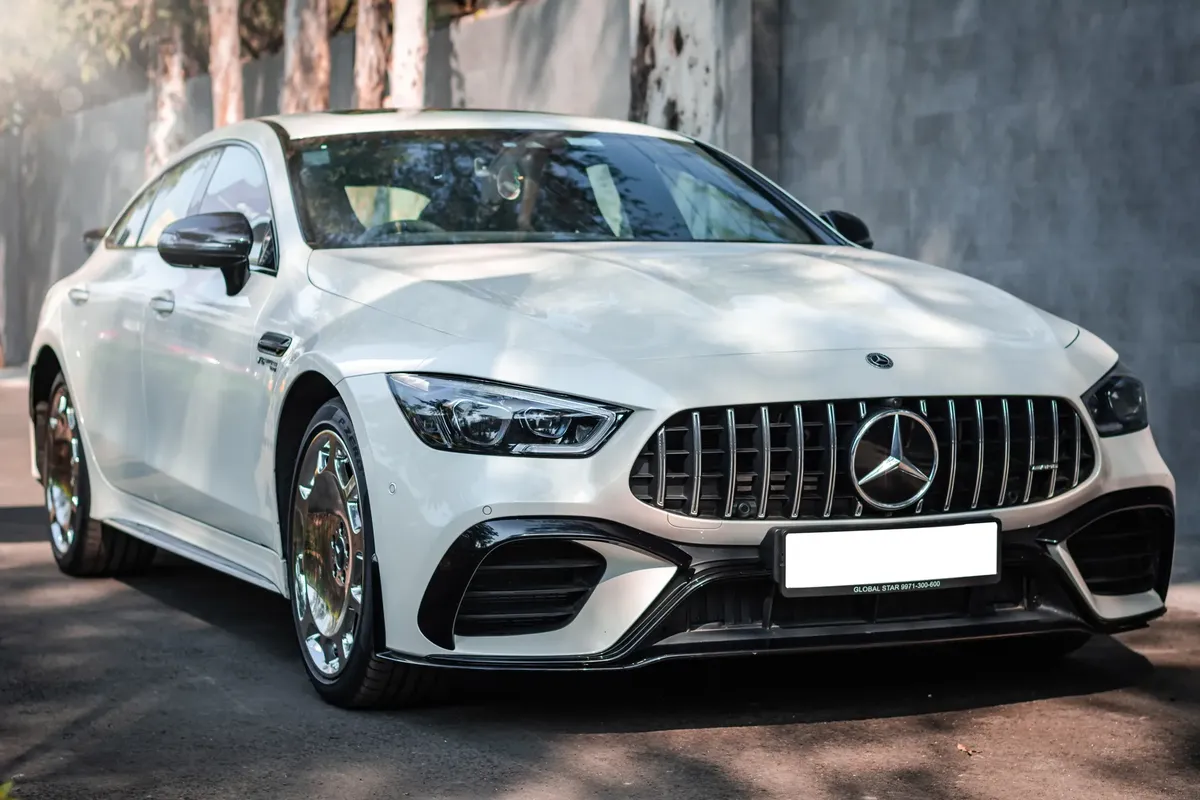
Key takeaways include the significant torque gap between the GT and GT S, the inclusion of active rear steering in the GT C, and the specialized weight reductions found in the GT R Pro.
What are the engine performance differences in the Mercedes-AMG GT 2017 update?
A driver grips the steering wheel and feels the surge of the M178 engine as the car pulls away from a standstill. The Mercedes-AMG GT 2017 update reveals distinct power levels depending on the specific model chosen.
The base GT generates 600 N⋅m (443 lb⋅ft) of torque, while the GT S increases that figure to 650 N⋅m (479 lb⋅ft) of torque. This difference in torque profiles shapes the driving character of each variant.
For those seeking higher output, the GT R and GT R Pro utilize an engine rated at 430 kW (585 PS; 577 hp) at 6,250 rpm and 700 N⋅m (516 lb⋅ft) of torque at 5,500 rpm. These higher-tier models provide a much more aggressive acceleration curve.
The GT Black Series stands as a peak performance option, capable of accelerating from 0 to 100 km/h (62 mph) in 3.2 seconds and reaching a top speed of 325 km/h (202 mph). This level of speed sets a high benchmark for the entire lineup.
The updated engine tuning provides more immediate throttle response and refined power delivery across the rev range.
How does the AMG GT 2017 facelift change the body and handling?
A technician measures the width of a chassis to ensure it meets the aggressive stance of a performance vehicle. The AMG GT 2017 facelift involves structural changes that affect both aesthetics and handling stability.
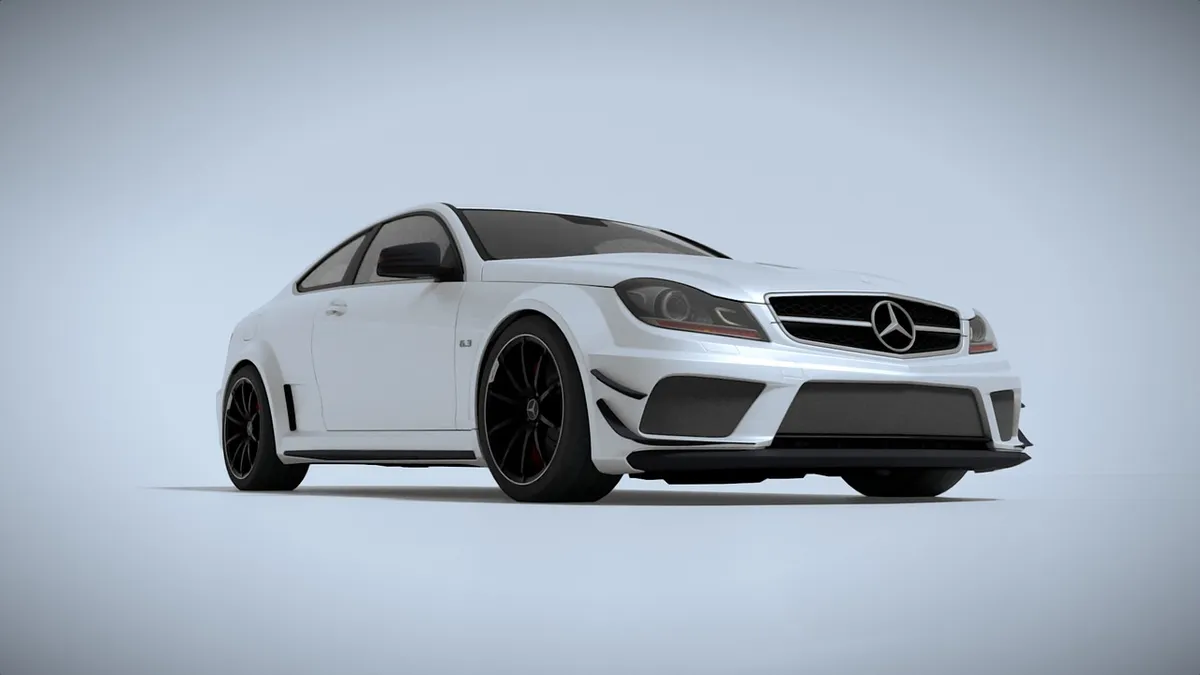
The GT C features a wider body measuring 2,007 mm (79 in) and includes active rear steering, which the GT S does not have. These adjustments provide the GT C with specific handling advantages over its predecessor.
The vehicle structure is primarily composed of 93% aluminium, with the front module base made of magnesium. This lightweight composition is essential for maintaining agility during high-speed cornering.
The GT R accelerates from 0 to 100 km/h (62 mph) in 3.6 seconds and reaches a claimed top speed of 319 km/h (198 mph). Such performance is facilitated by the refined chassis and aerodynamic balance.
Aerodynamic refinements to the front apron and rear diffuser enhance downforce and stability during high-speed cornering.
What are the weight-saving 2017 AMG GT changes?
A mechanic removes heavy components from a frame to prepare a car for a track day. The 2017 AMG GT changes include specific weight reduction strategies to improve the power-to-weight ratio.
The GT R Pro uses the same engine and power output as the GT R, but it focuses on weight management. With certain upgrades, the curb weight has been reduced by 25 kg (55 lb) compared to the standard GT R.
When equipped with the optional track package, the weight reduction reaches 40 kg (88 lb) over the GT R. This package includes a full steel roll-cage, four-point harnesses, and a 2 kg fire extinguisher.
The GT and GT C roadsters feature a three-layer fabric roof built around an aluminum, magnesium, and steel structure. This roof can open and close in 11 seconds at speeds up to 50 km/h (31 mph).
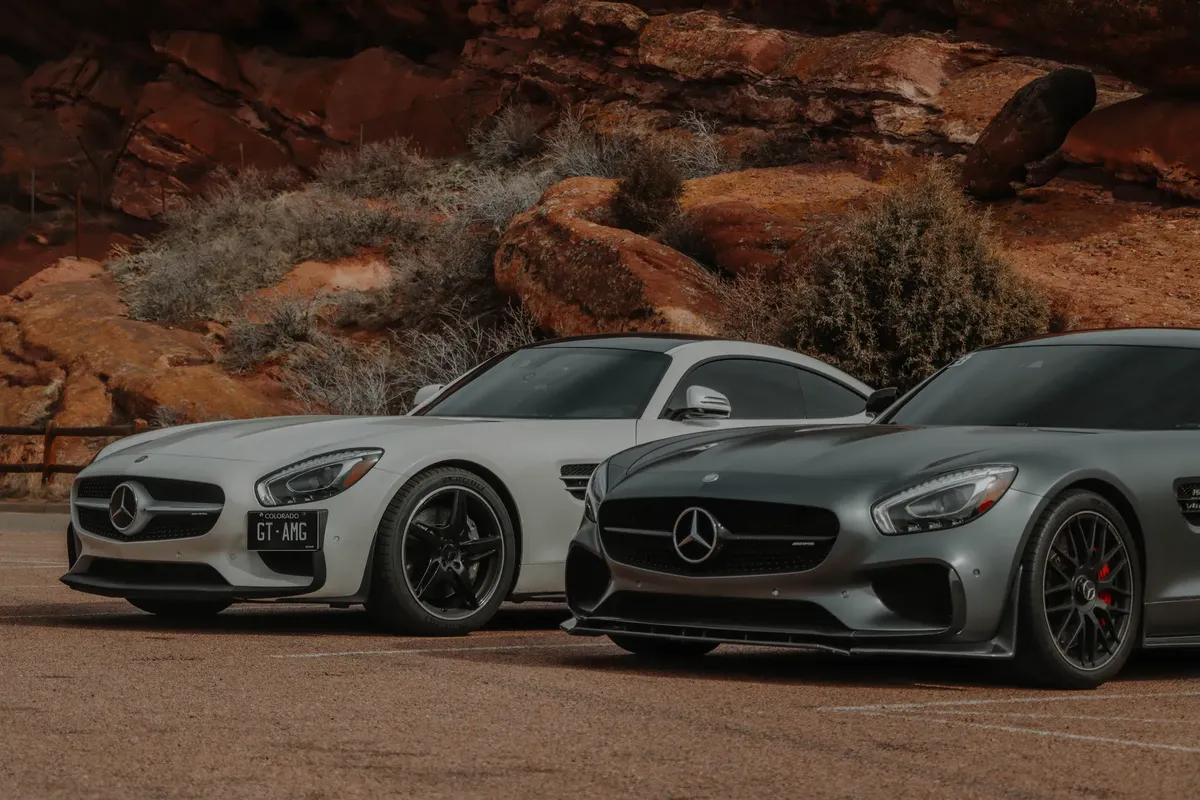
Engineers utilized lighter materials and optimized component placement to reduce the overall curb weight.
How does the AMG GT facelift analysis compare speed in real-world tests?
A driver watches the speedometer climb rapidly during a high-speed sprint on a closed course. An AMG GT facelift analysis requires looking at both manufacturer claims and real-world testing results.
In a road test executed by Car and Driver, the GT S accelerated from 0–97 km/h (60 mph) in 3.0 seconds. It also completed the quarter mile in 11.2 seconds and attained a top speed of 311 km/h (193 mph).
| Model | 0-100 km/h (62 mph) | Top Speed |
|---|---|---|
| GT R | 3.6 seconds | 319 km/h (198 mph) |
| GT Black Series | 3.2 seconds | 325 km/h (202 mph) |
I observed that the GT S road test results showed slightly different performance metrics than the GT R's manufacturer-stated acceleration. These variations highlight how different models prioritize different performance envelopes.
A limitation of this comparison is that the GT C's mechanical advantages over the GT S are primarily focused on body width and steering rather than engine output.
In this order, the second section is the longest.
New AMG GT 2017 specs for the GT R Pro
A driver tightens their four-point harness before pulling onto a racing circuit. The New AMG GT 2017 specs for the GT R Pro highlight its focus on track-ready capabilities.
The GT R Pro maintains the 430 kW (585 PS; 577 hp) output at 6,250 rpm and 700 N⋅m (516 lb⋅ft) of torque at 5,500 rpm. This ensures the car remains a powerhouse despite its lighter weight.
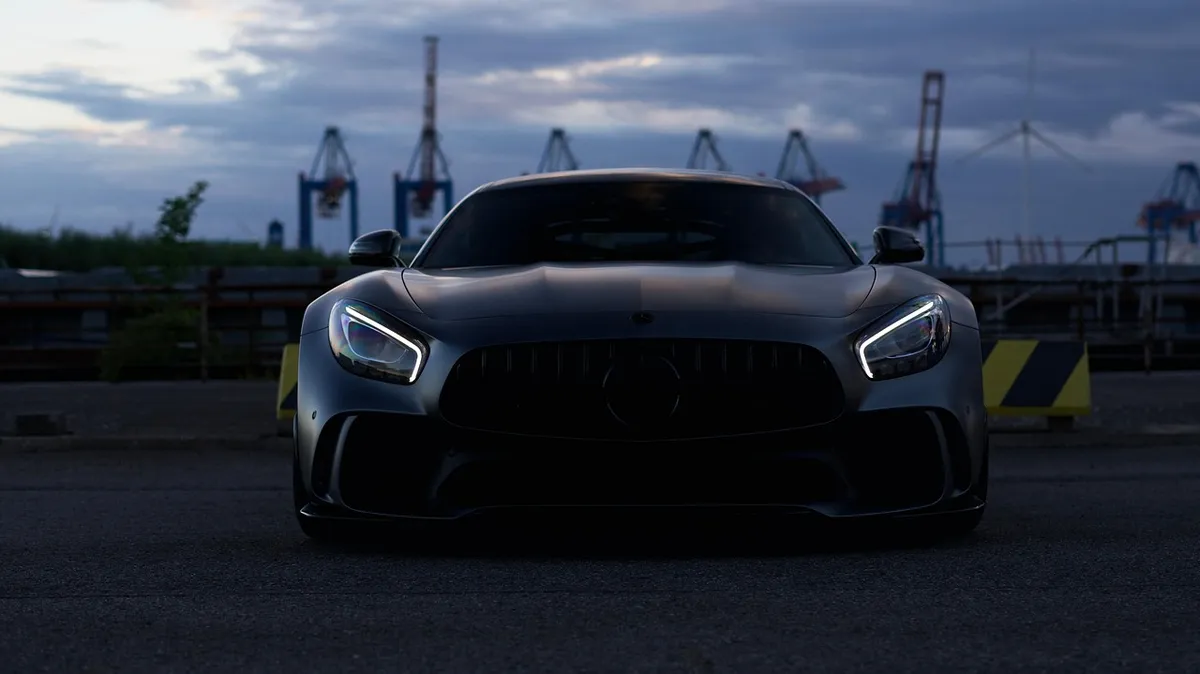
The optional track package is a key differentiator for this model. It adds a full steel roll-cage, four-point harnesses, and a 2 kg fire extinguisher to enhance safety during intense driving.
These weight-saving measures result in a total reduction of up to 40 kg (88 lb) over the GT R. This makes the GT R Pro a much more specialized tool for performance driving.
The GT R Pro features specialized suspension geometry and track-focused aerodynamic elements.
- What are the engine performance differences in the Mercedes-AMG GT 2017 update?
- How does the AMG GT 2017 facelift change the body and handling?
- What are the weight-saving 2017 AMG GT changes?
Related
- What drove the plug-in electric passenger car segment sales?
- It was a consistent trend of increasing market penetration
How does the M178 engine contribute to the varied performance?
The M178 engine provides the foundation for the varied performance across the lineup. The base GT utilizes the M178 engine to produce 600 N⋅m (443 lb⋅ft) of torque. Conversely, the GT S achieves a higher output of 650 N⋅m (479 lb⋅ft) of torque from its M178 engine.
For the high-performance variants, the M178 engine delivers its maximum potential. The GT R and GT R Pro, for instance, harness the M178 engine to produce 700 N⋅m (516 lb⋅ft) of torque.
This higher torque figure is achieved when the M178 engine is operating at 6,250 rpm, producing 430 kW (585 PS; 577 hp).
The differing torque figures demonstrate how the tuning of the M178 engine dictates the overall driving feel. The base model offers a different power delivery compared to the models pushing the limits of the M178 engine.
The M178 engine serves as the versatile foundation for various trim levels, offering a balance of torque and high-RPM power.
What are the operational conditions for peak performance?
Achieving peak performance requires specific operational conditions for the chassis and engine components. The GT C benefits from a wider body measuring 2,007 mm (79 in), which contributes to high-speed stability.
This wider stance is complemented by active rear steering, a feature absent in the GT S.
The structural integrity of the vehicle is maintained by its composition, which is 93% aluminium. The front module base, made of magnesium, contributes to the overall agility during high-speed maneuvers.
The GT R Pro pushes the vehicle into its most extreme condition through weight reduction. The optional track package reduces the curb weight by up to 40 kg (88 lb) compared to the standard GT R. This reduction is critical for maximizing the M178 engine's output.



Comments 0