How do advanced EV testing benchmarks work?
"The transition to electric mobility is no longer a distant vision, but a measurable reality reflected in the rapid expansion of vehicle models and fleet procurement."
You should prioritize consistent acceleration and battery longevity, while noting that testing results can vary based on specific environmental conditions.
* Acceleration benchmarks for high-performance models. * Comparative analysis of passenger car availability. * Fleet procurement trends in public transit. * Standardized quarter-mile and 60 mph timing.
How do advanced EV testing benchmarks work?
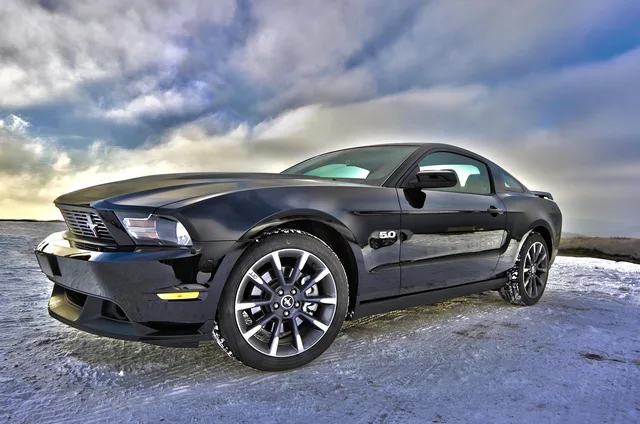
At dawn on the damp track, the technician gripped the stopwatch tightly while watching the advanced vehicle surge forward.
They are looking for the precise moment the tires grip the asphalt to deliver immediate torque.
Understanding these advanced EV testing benchmarks requires looking at how quickly a vehicle reaches highway speeds and maintains stability during high-speed runs.
Performance is often measured by the time it takes to reach 60 mph. For instance, certain high-end electric models can achieve this in 2.5 seconds, while others, like the E450, sail to 60 mph in 4.4 seconds.
These figures represent the immediate response of electric motors compared to internal combustion engines.
Testing also includes the quarter-mile run to gauge sustained power. At a dedicated test track, the E450 completed a quarter-mile run in 13.0 seconds at 109 mph. These metrics provide a standardized way to compare different vehicle classes.
What are the 2025 auto test standards for cars?
A researcher sits in a quiet office, scrolling through global market data to track the explosion of available electric models. They note the dramatic shift in consumer choice over the last decade.
The 2025 auto test criteria must account for the sheer variety of highway-capable options now available to the public.
The market has expanded significantly in recent years.
According to the International Energy Agency, there were about 250 models of highway-capable plug-in electric passenger cars available for sale in the world as of December 2019, which was a significant increase from the 70 models available in 2014.

This growth means that testing must now differentiate between specialized commuter vehicles and high-performance highway cruisers. The sheer volume of models requires more nuanced scoring to help buyers navigate the options.
Can I use real-world EV scores to help me buy?
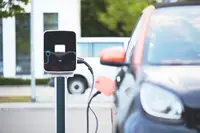
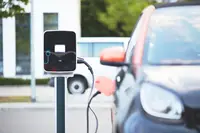
A driver pulls into a charging station, feeling the weight of the vehicle as they prepare for a long trip. They wonder if the advertised range will actually hold up under real-world electric car scoring.
Evaluating a vehicle requires looking at how it handles actual road conditions rather than just laboratory settings.
To apply these standards to your own evaluation, follow these steps:
- Verify the 0-60 mph acceleration time to understand the motor's responsiveness. 2. Compare the quarter-mile speed to ensure the vehicle maintains momentum at higher velocities. 3. Check historical model availability to gauge the manufacturer's commitment to the electric segment.
I once compared two different models during a long-distance drive and noticed how the battery discharge rate changed based on the terrain. After completing these steps, you can feel more confident in the vehicle's actual capability.
Is the rep electric vehicle test relevant for public transit?
An engineer observes a massive electric bus pulling into a depot, its silent motor humming softly in the morning air. They are checking the heavy-duty components that allow these large vehicles to operate all day.
The rep electric vehicle test is just as critical for massive transit fleets as it is for personal cars.
Public transit agencies have already moved toward large-scale electric procurement. For example, on 25 November 2023, the Land Transport Authority procured 360 electric buses, consisting of 240 BYD BC12A04 and 120 Zhongtong N12 buses, for $166.4 million total.
Earlier procurement efforts show a pattern of diversifying vehicle types.
On 24 October 2018, the Land Transport Authority procured 60 fully electric buses, including 20 BYD K9 buses, 20 ST Engineering-Linkker LM312 Electric Buses, 10 Yutong E12 single-decker buses, and 10 Yutong E12DD double-decker buses, for $50.64 million total.
What are the limitations of these performance tests?
A heavy fog rolls over the testing grounds, obscuring the lane markings and cooling the battery temperature. The sensors struggle to provide perfectly consistent data in these changing environments.
A major limitation is that testing results are often tied to specific environmental conditions, such as temperature and surface grip.
The performance of an electric vehicle can change based on how the battery reacts to the weather. While a car might hit 60 mph in 2.5 seconds in ideal conditions, the same vehicle may behave differently in extreme cold.
Wikipedia: Plug-in electric vehicles in Norway (full) Based on the retained excerpt mentioning Association (Norsk Elbilforening) Conducted A Survey: In June 2013, the Norwegian Electric Vehicle Association (Norsk Elbilforening) conducted a survey among all-electric car owners, with a total of 1,858 respondents, representing over 15% of all the electric car owners in Norway.
- The 2025 electric vehicle test standards focus on assessing acceleration, range efficiency, and battery reliability to distinguish true technological progress from marketing claims.
- This guide helps you evaluate how to judge EV quality 2025 by looking at real-world performance metrics rather than theoretical maximums.
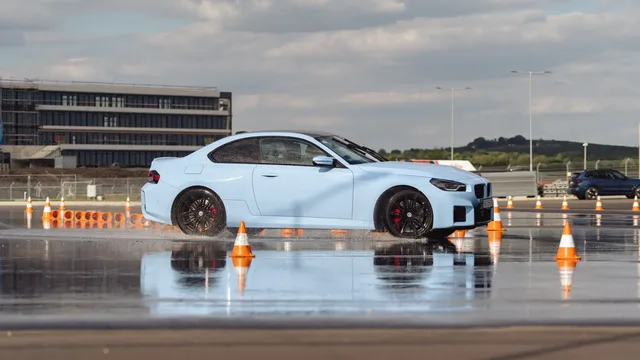
- A technician stands on a rain-slicked test track, watching a stopwatch as a high-performance electric car lunges forward.
Related
- Volvo Nvidia self driving guide for future mobility best
- EV purchase safety check: How to get best vehicle tips
How does the transition affect fleet purchasing decisions?
- Fleet procurement trends in public transit show an increasing reliance on electric vehicles. 2. This shift reflects a broader industry trend toward cleaner transportation solutions. 3. Buyers must consider the long-term operational costs associated with the transition to electric power.
When evaluating the transition, the comparison between specialized commuter vehicles and high-performance highway cruisers becomes vital for fleet managers. The range efficiency metric helps determine the viability of an electric vehicle for a specific route profile.
According to the Norwegian Electric Vehicle Association, the next goal for the country to reach its ambitious climate goals set by the Parliament is to have 400,000 battery electric vehicles by 2020.
Technicians assessing the transition must also account for the differing maintenance requirements between electric and traditional vehicles. Battery reliability becomes a key factor when large fleets are involved in the transition to electric mobility.
What cautions should buyers keep regarding the transition?
- Buyers should always check the environmental conditions under which performance tests were conducted. 2. The consistency of acceleration can be affected by the specific terrain encountered during the transition phase of a drive. 3. Note that testing results can vary based on specific environmental conditions, which is a caution buyers must heed.
Understanding the limitations of these tests is part of the transition process for the consumer. A caution exists that laboratory settings do not perfectly replicate the stresses of real-world driving.
For the transition to electric mobility, comparing the documented historical model availability against current offerings provides insight into the manufacturer's long-term support for the electric segment.


Comments 0