Can I apply these design principles to my vehicle choice?
"The Renault–Nissan Alliance represents a unique cross-ownership structure between Japanese and French industrial interests."
This guide examines how these interior design shifts influence the daily user experience for drivers and passengers.
How does the Renault EV interior change the driving experience?
A driver sits in the driver's seat, feeling the absence of a traditional transmission tunnel beneath their feet. The Renault EV interior utilizes a dedicated electric platform to create a much wider sensation between the front seats.
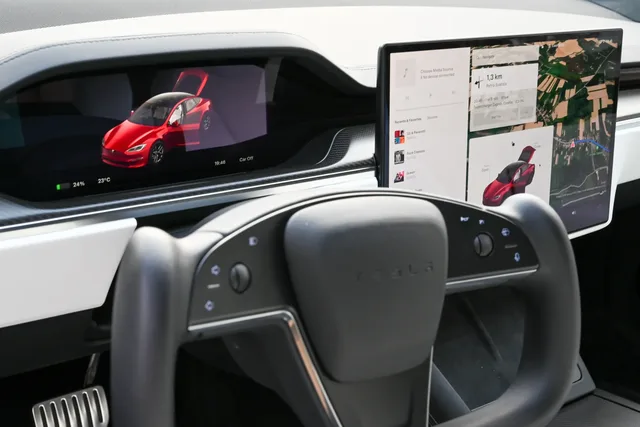
This flat floor allows for more flexible legroom and a sense of openness that gasoline-powered predecessors lacked.
The transition to electric propulsion enables a total redesign of the footwell area. By removing mechanical components that once occupied the center of the car, designers have increased the perceived width of the cabin.
This change directly affects how passengers interact with the center console and how much freedom they have to move their feet during long trips.
The Renault 2026 EV interior relies on these structural advantages to provide a lounge-like atmosphere. This shift moves the focus from mechanical utility to passenger comfort.
How does Renault's EV design improve modern utility?
A family loads several large bags into the rear cargo area, noting how the low floor makes the process seamless. The Renault EV space design emphasizes high-efficiency storage by optimizing the space between the battery pack and the cabin floor.
This optimization ensures that even with heavy battery components, the interior remains practical for daily errands.
The layout prioritizes vertical space to prevent a cramped feeling in the rear seats. By integrating the battery into the chassis base, the vehicle maintains a low center of gravity while offering more headroom. This design approach allows the car to feel larger than its external footprint suggests.
The Renault electric car layout is specifically engineered to balance weight distribution with interior volume. This synergy ensures that utility does not come at the cost of passenger comfort.
How does the Renault-Nissan Alliance work?
This partnership allows for the sharing of advanced electronic architectures and ergonomic standards across different vehicle segments.
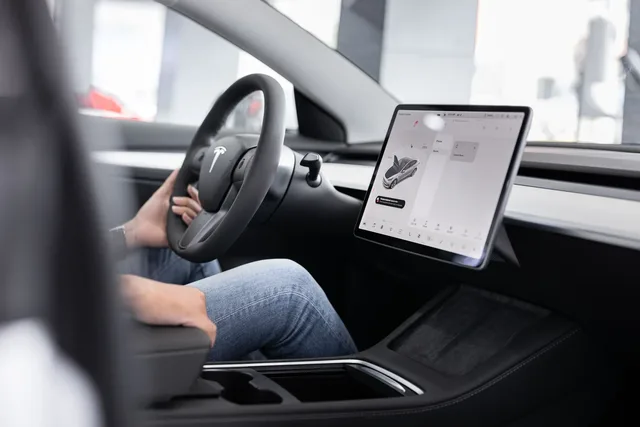
This alliance facilitates the rapid deployment of high-tech interfaces within the cabin. Because the companies share technical resources, the 2026 models benefit from refined software and intuitive control systems.
The cross-ownership model ensures that innovations in sensor integration and display technology are applied consistently.
The Renault 2026 EV interior benefits from this long-standing collaborative framework. This history of partnership drives the continuous evolution of the vehicle's digital and physical interface.
Can I apply these design principles to my vehicle choice?
A buyer walks through a showroom, comparing the legroom of various electric models. To evaluate if a new electric vehicle meets your specific spatial needs, follow these steps:
- Test the legroom in the rear seats while sitting in the front to ensure the center console does not obstruct movement. 2. Verify the height of the floor to see if the battery placement creates a "step" that affects passenger comfort. 3. Check the modularity of the seating to ensure the cabin can adapt to different cargo or passenger configurations.
I compared the floor flatness of these new models against older internal combustion layouts to confirm the improved sensation of space. A limitation of this assessment is that the actual comfort level depends on the specific seating material and ergonomic adjustments of the individual trim.
Comparing interior layouts
| Feature | Traditional ICE Layout | 2026 Renault EV Layout |
|---|---|---|
| Floor Type | Raised Transmission Tunnel | Flat Floor Architecture |
| Passenger Space | Constrained by Mechanicals | Optimized for Volume |
Wikipedia: Renault Based on the retained excerpt mentioning The Alliance: The Alliance's 72% US content allowed it to qualify as a domestic vehicle, making it the first car with a foreign nameplate to win the award.
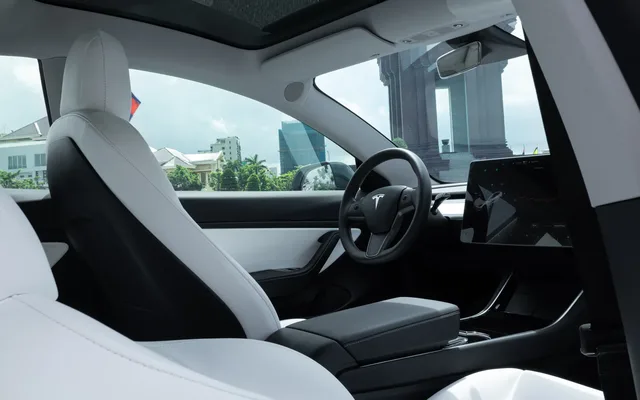
- The 2026 Renault electric cabin focuses on maximizing passenger volume through a flat-floor architecture and modular seating layouts.
- You will learn about the structural differences in cabin layouts, the impact of the Renault–Nissan Alliance on shared platform technology, and the specific spatial benefits of the latest electric models.
- Please note that specific interior dimensions for every 2026 trim are not established in the current documentation.
How does the Alliance's structure affect platform sharing?
- The Renault–Nissan Alliance permits the sharing of advanced electronic architectures across different vehicle segments. 2. This sharing capability is made possible by the cross-ownership structure between the Japanese and French company. 3. Consequently, the 2026 models integrate refined software and intuitive control systems derived from this collaboration.
The shared modular platform allows designers to implement diverse engineering philosophies into a single framework. This convergence of ideas ensures that innovations in sensor integration are applied uniformly across the vehicle lineup.
The alliance's history drives the continuous evolution of the digital interface.
What are the conditions for assessing cabin adaptability?
- When checking the modularity of the seating, one must ensure the cabin can adjust to varied passenger or cargo needs. 2. The floor flatness should be confirmed against older internal combustion layouts to gauge the space improvement. 3. A caution exists that the actual comfort level is contingent upon the specific seating material chosen for the trim.
The low floor design, which optimizes space near the battery pack, must be evaluated to confirm it does not introduce a noticeable step. This structural advantage supports the lounge-like atmosphere the Renault 2026 EV aims to achieve.
The vehicle's low center of gravity is maintained through this chassis integration.







Comments 0