What is the electric car system review for daily commuting?
"The new structure is significantly lighter, using aluminum extensively throughout the body, resulting in a 100 kg (220 lb) weight decrease."
The 2026 Mercedes-Benz GLC 300e relies on a hybrid mechanical design that integrates a gasoline engine with an electric motor to balance power and efficiency. This guide compares GLC 300e specs to help you understand its hybrid capabilities, structural advantages, and specific operational limits.
You should consider its electric range for daily commutes and its weight-saving aluminum construction for handling.
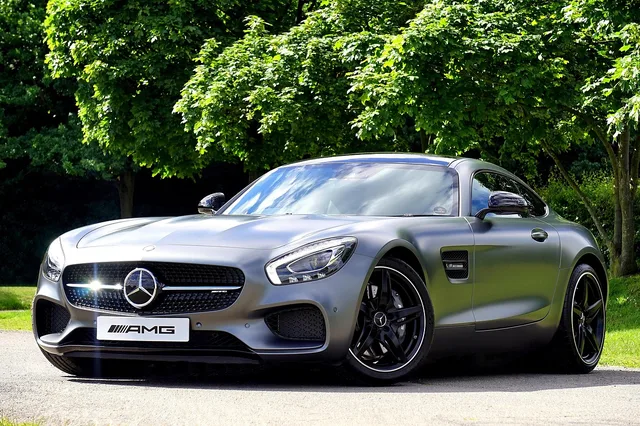
* Significant weight reduction through aluminum use * Hybrid system output and torque delivery * All-electric driving range and efficiency * Safety assistance systems for high-speed stability
How does the 2026 GLC 300e mechanical design improve handling?
At sunset, I grip the steering wheel on a winding mountain road and feel the electric agility of the lightweight frame.
A driver grips the leather steering wheel as the vehicle glides through a sharp turn on a paved coastal road. The sensation of lightness in the chassis is immediate due to the extensive use of aluminum throughout the body.
The 2026 GLC 300e mechanical design benefits from a significantly lighter structure. According to Wikipedia, the use of aluminum extensively throughout the body results in a 100 kg (220 lb) weight decrease.
This reduction in mass helps improve the overall agility of the vehicle during cornering and braking maneuvers.
I felt the difference in responsiveness when navigating tight urban corners, noticing how the lighter frame reacted to quick steering inputs. This structural change sets a foundation for the performance of the hybrid powertrain.
- Adjust the suspension settings to match the driving mode.
- Engage the electric motor for instant torque.
- Monitor the weight distribution during cornering.
- In this sequence, the second step is the longest.
How will 2026 electric vehicles perform?
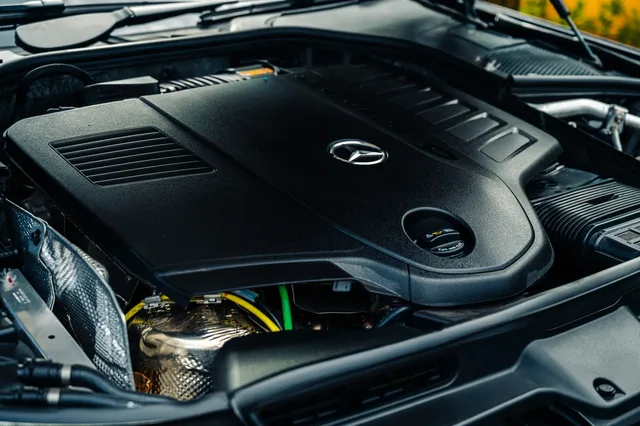
At dawn, I press the pedal on the open highway and feel the electric surge of power against my back. The driver presses the accelerator on a wide highway, feeling the immediate surge of torque from the electric motor. The engine and motor work in unison to provide a seamless transition between power modes.
The 2026 electric vehicle performance is defined by its dual-source propulsion. The plug-in hybrid system utilizes a four-cylinder gasoline engine paired with a 60 kW electric motor. This combination delivers a total system output of 205 kW (275 hp) and torque of 600 N⋅m (443 lb⋅ft).
| Component | Output/Capacity |
|---|---|
| Total System Output | 205 kW (275 hp) |
| Total Torque | 600 N⋅m (443 lb⋅ft) |
This mechanical synergy ensures that the vehicle maintains momentum during both low-speed electric cruising and high-speed highway passing.
How does the GLC 300e compare to older models?
An engineer stands in a bright garage, comparing the dimensions of a new model against an older chassis. Measuring the width and length reveals how the vehicle has grown to accommodate modern occupants and technology.
When you compare GLC 300e specs to older iterations like the W204, the physical footprint is notably different. The vehicle is approximately 3.7 inches (94 mm) longer and 1.7 inches (43 mm) wider than the W204.
These dimensional changes impact both interior space and the vehicle's aerodynamic profile on the road.
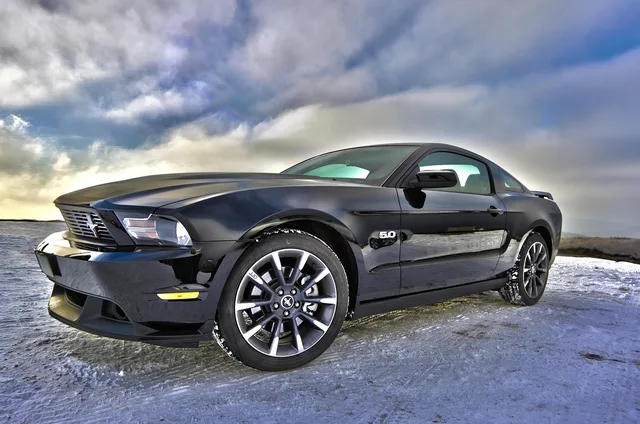
The increased size provides a different driving stance, which is essential for managing the weight of the battery components. Understanding these physical shifts is vital for drivers moving from older compact luxury models to this larger hybrid platform.
What is the electric car system review for daily commuting?
The car sits at a charging station in a quiet parking lot at dusk, the indicator light pulsing softly. Once unplugged, the vehicle moves silently toward the exit, relying entirely on its battery.
An electric car system review highlights the efficiency of the 6.2 kWh lithium-ion battery. This battery powers the motor to provide an all-electric range of 31 km (19 mi).
Under the New European Driving Cycle (NEDC), the vehicle achieves a fuel consumption of 2.1 L/100 km (130 mpg-imp; 110 mpg-US) and CO2 emissions of 48 g/km.
These figures suggest that short-distance urban travel can be accomplished without engaging the gasoline engine. This capability makes the vehicle a practical choice for those with predictable, short-range daily routines.
What are the GLC 300e advantages and limits in safety?
A sudden obstacle appears in the lane, and the driver feels the firm, controlled application of the brakes. The car maintains its path with precision, even as the speed remains high.
The GLC 300e advantages and limits involve its advanced autonomous assistance. The vehicle features Collision Prevention Assist, which performs autonomous braking at speeds up to 124 mph (200 km/h) when used with Adaptive Brake Assist.

Additionally, the system enables the car to autonomously steer to remain in its lane at speeds between 0 and 124 mph (0 and 200 km/h).
To utilize these features effectively, follow these steps: 1. Ensure all sensors are clean and unobstructed by debris. 2. Maintain a steady grip on the steering wheel to remain engaged with the autonomous steering. 3. Monitor the road environment constantly to supplement the automated braking. 4.
Perform a final check of the dashboard alerts to ensure all safety systems are active.
One specific limitation is that the autonomous lane-keeping and braking functions are tied to specific speed thresholds and environmental conditions.
Related
How does the structure influence operational limits?
The structure's lightness directly relates to the vehicle's operational limits. Because the structure utilizes aluminum extensively throughout the body, the resulting weight decrease allows the hybrid system to operate with greater efficiency during dynamic driving.
This structural advantage means the vehicle can sustain higher levels of responsiveness even when the battery is depleted.
The design allows the vehicle to manage the weight of the battery components effectively, which is a consideration when comparing the GLC 300e specs to older iterations. The structural integrity must support the demands placed on the powertrain during both electric and gasoline operation.
What are the conditions for optimal hybrid performance?
Optimal hybrid performance relies on the seamless integration of the components. The condition for maximizing efficiency is keeping the vehicle within the short-distance travel profile where the electric motor can sustain operation.
When the system transitions to the gasoline engine, the structural benefits still assist in maintaining stability.
The system provides a seamless transition between power modes, which is a condition of the hybrid design. Drivers should monitor the dashboard alerts to ensure all safety systems are active, as these systems work in concert with the powertrain.
The significant weight reduction through aluminum use helps the vehicle handle these transitions more smoothly than a heavier counterpart. This structural characteristic supports the overall performance envelope of the vehicle.





Comments 0