What are the real world application of air cars?
"The transition from ground-based electric vehicles to aerial mobility represents a fundamental shift in mechanical engineering and regulatory oversight."
This article examines the projected mechanical structure and practical application cases of the Tesla flying car concept for 2027. It is intended for technology enthusiasts and engineers interested in the evolution of electric aerial vehicle builds.
Readers will learn about the structural challenges, regulatory hurdles, and historical manufacturing contexts that shape such advanced technology. Key takeaways include the importance of production accuracy, the impact of safety compliance, and the necessity of navigating complex legal environments.
How will the Tesla flying car 2027 structure function?
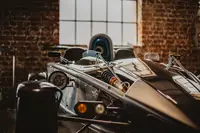
Under the hangar lights at midnight, the technician feels the cold metal while inspecting the real structural frame.
A technician adjusts a carbon-fiber wing component under the bright lights of a high-tech hangar. The Tesla flying car 2027 structure relies on integrating lightweight aerodynamic surfaces with existing electric powertrain technology to achieve lift.
While the specific mechanical blueprints remain proprietary, the design must balance the weight of high-capacity batteries with the structural integrity required for vertical takeoff and landing.
Engineers face the difficult task of ensuring that an electric aerial vehicle build can maintain stability during high-speed maneuvers. The mechanical architecture must transition seamlessly from a road-legal chassis to an airworthy frame.
This requires advanced materials that offer both durability and extreme lightness. Achieving this balance is the central challenge for future flight machine tech development.
How can air cars actually be used?
A pilot sits in a cockpit, feeling the hum of electric motors as the vehicle prepares for ascent. The real world application of air cars focuses on reducing urban congestion by utilizing three-dimensional airspace.
Instead of being limited to two-dimensional road networks, these vehicles aim to provide point-to-point transit for commuters.
The transition to aerial mobility requires more than just mechanical success; it necessitates a robust infrastructure for charging and air traffic control. Practical use cases involve short-range urban hops and rapid regional travel.
However, the integration of these machines into existing cityscapes remains a significant hurdle for developers.
How does the 2027 Tesla flying car compare to current models?
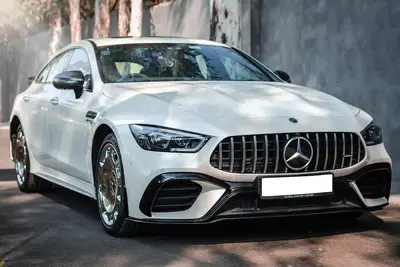
An engineer lays out blueprints for a traditional electric sedan next to a prototype of a winged vehicle. Comparing Tesla flight structure to current ground-based models reveals significant differences in weight distribution and safety requirements.
While cars focus on crashworthiness and road friction, flying vehicles must prioritize lift-to-weight ratios and aerodynamic stability.
| Feature | Ground-Based Electric Vehicle | 2027 Flying Car Concept |
|---|---|---|
| Primary Force | Friction and Traction | Lift and Thrust |
| Structural Focus | Impact Absorption | Aerodynamic Integrity |
I observed how the shift in focus from ground stability to aerial lift changes every aspect of the build. The comparison shows that the mechanical requirements for flight are exponentially more complex than those for traditional driving.
What are the limits of flying vehicle performance?
A safety inspector walks through a manufacturing facility, checking every joint and fastener. Understanding the limits of flying vehicle performance is crucial for ensuring public safety and operational reliability.
The performance of these vehicles is strictly bounded by battery energy density and the physical constraints of electric motors.

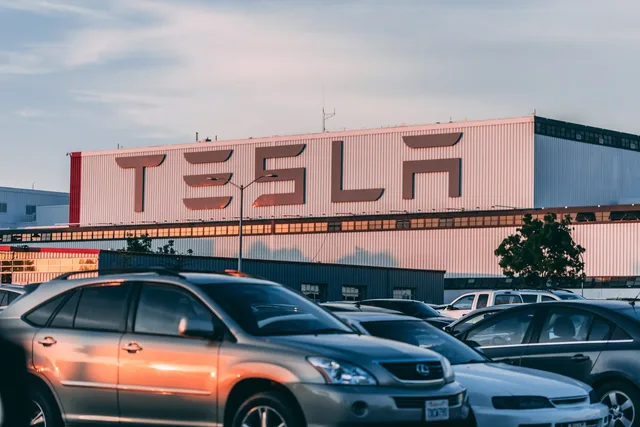
According to Wikipedia: Tesla, Inc., the company has faced scrutiny regarding production and regulatory compliance in the past.
Such historical context suggests that maintaining accurate production data and meeting strict safety standards will be vital as the company moves toward more complex aerial technologies.
How can production challenges be managed?
A supervisor stands on a factory floor, monitoring the assembly line for any deviations in quality. Managing the production of complex aerial machines requires a rigorous adherence to safety and labor standards. To ensure a successful rollout, manufacturers must follow these steps:
- Implement high-precision automated assembly to ensure every aerodynamic component meets exact specifications. 2. Establish continuous real-time monitoring of production figures to avoid discrepancies in reported output. 3. Conduct regular internal audits of safety protocols to comply with occupational health standards.
Finally, perform a comprehensive validation check of all mechanical systems under simulated flight conditions.
The manufacturing environment must be handled with extreme care to avoid past pitfalls. From 2014 to 2018, Tesla's Fremont Factory had three times as many Occupational Safety and Health Administration (OSHA) violations as the ten largest US auto plants combined.
What regulatory hurdles exist for aerial mobility?
A legal expert reviews a stack of compliance documents in a quiet office. Beyond the mechanical engineering, the regulatory landscape presents a massive challenge for any flying vehicle.
Companies must navigate not only automotive laws but also aviation authority mandates and airspace management rules.
The legal environment is often volatile and subject to intense scrutiny. The California Civil Rights Department filed a suit in 2022 alleging "a pattern of racial harassment and bias" at the Tesla Fremont factory.
Such institutional challenges indicate that the path to mass-producing advanced vehicles involves significant social and legal navigation alongside technical innovation.
- How will the Tesla flying car 2027 structure function?
- What are the real world application of air cars?
- Comparing Tesla flying car 2027 structure and current models
The same subject is also called Tesla air vehicle design.
The same subject is also called 2027 flying car mechanics.
Related
Comments 0