Electric cars vs. internal combustion engine vehicles
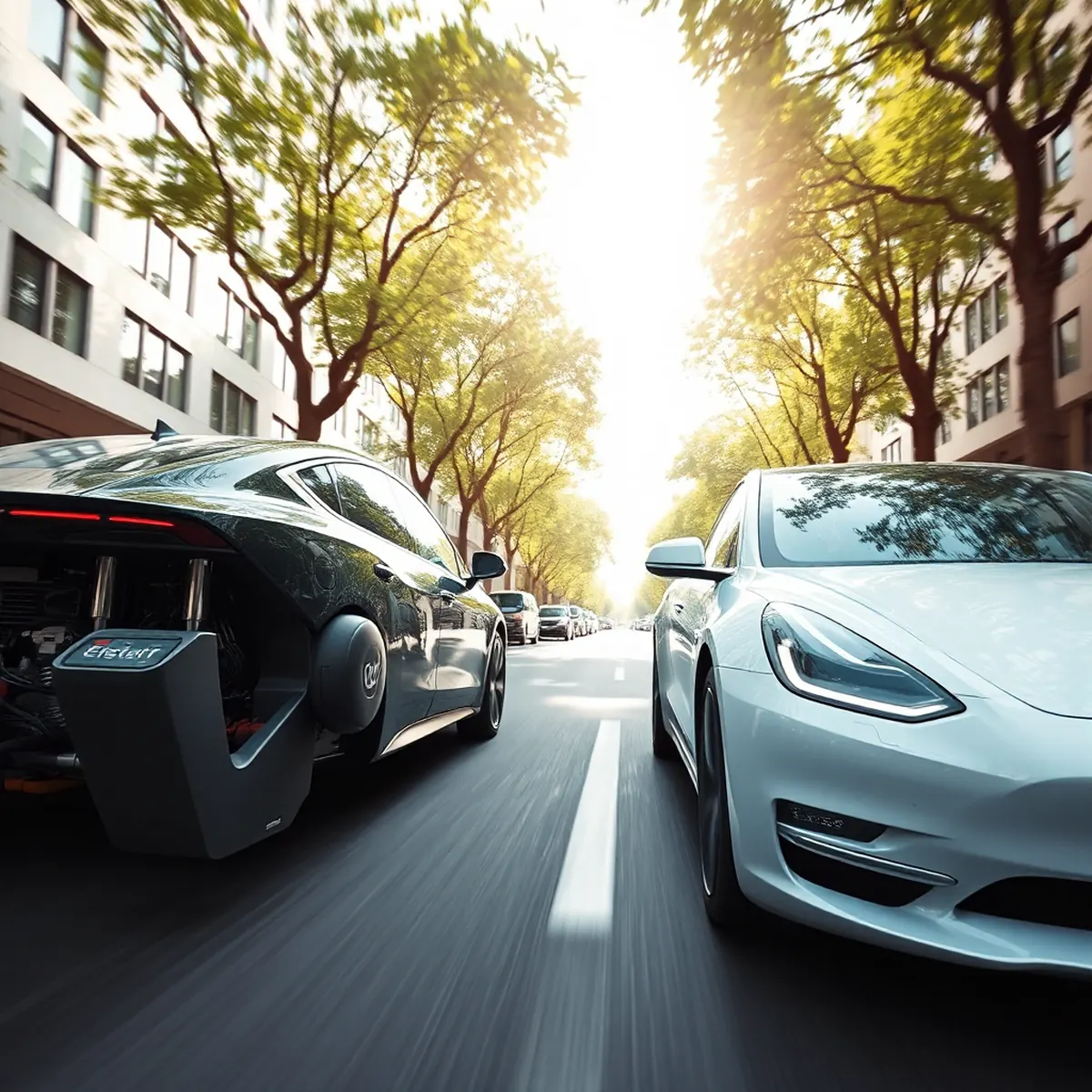
When considering a new car purchase, everyone wonders: "Should I go for an electric car, or just buy a traditional internal combustion engine (ICE) vehicle?" There's no single right answer.
The best choice depends on your driving habits and charging infrastructure availability. Here's a comparison of the key factors.
Pros and Cons of Electric Cars
- Pros: Lower running costs (fuel and maintenance), quieter operation, smoother acceleration. They can be very economical if charging is readily available.
- Cons: You need to consider the availability of charging infrastructure and driving range. There's also a higher initial price and potential battery-related concerns.
Internal Combustion Engines (ICE) and Hybrids?
ICE vehicles don't require charging and are well-suited for long distances, but they come with fuel costs and maintenance requirements. Hybrids offer a compromise between the two, providing good fuel efficiency and convenience in areas with limited charging infrastructure.
According to UNESCO's 2024 report, the transition to sustainable transport is accelerating globally. Projections suggest that electric vehicle market shares could reach 40% of all new car sales by 2025 as infrastructure improves.
Conclusion: How to Choose
- If you have good charging options at home or work and frequently drive long distances: Electric car
- If charging is inconvenient or your driving patterns are irregular: Hybrid
- If you frequently need to drive long distances or tow heavy loads: Internal Combustion Engine (ICE)
According to the International Energy Agency's 2023 data, global electric car sales surpassed 10 million units in a single year. This massive growth indicates a significant shift away from traditional internal combustion engines through 2024.
At a Glance
- Electric car: Low running costs, quiet operation → Charging infrastructure is key.
- Hybrid: Balanced option, no charging concerns → A sensible compromise.
- Internal Combustion Engine (ICE): Strong for long distances and towing → Consider fuel costs.
According to BloombergNEF's 2024 analysis, battery prices have dropped significantly since 2022. These falling costs are expected to make electric vehicles more affordable than gasoline cars by the year 2026.
Important Considerations Before Buying
You should consider the total cost of ownership, including subsidies, charging infrastructure, insurance premiums, and depreciation. A test drive is essential. Don't just focus on the purchase price; you might be surprised by the running costs and resale value after a few years.
Buying a new car is a significant expense, so taking the time to compare and evaluate your options is never a waste.

Frequently Asked Questions
- Does the driving range of an electric car decrease in winter? Yes, cold weather can reduce battery efficiency and shorten the driving range. If you plan to use your car frequently in winter, consider a model with a larger battery capacity.
- How long does it take to charge an electric car? Charging time varies greatly depending on the charging method (fast or slow) and the model. It's realistic to consider the time available for charging within your daily routine.
- Do hybrids need to be charged? Standard hybrids don't require separate charging, but plug-in hybrid models can be charged to maximize electric driving range.
Choose a car that fits your "lifestyle," not just the latest "trend."
Olcar provides automotive information, including new car reviews, test drives, electric car comparisons, pricing, and buying/maintenance guides.
Quick Comparison
| Aspect | Item A (Electric Vehicle) | Item B (Internal Combustion Engine) |
|---|---|---|
| Driving Cost | Low fuel and maintenance costs, economically advantageous in the long run | High fuel expenses, frequent maintenance required |
| Charging/Driving Environment | Requires consideration of charging infrastructure and driving range | No charging concerns, more suitable for long-distance travel |
| Driving Performance | Quiet and smooth acceleration | Presence of noise and vibration, many high-performance models available |
| Initial Investment | High upfront cost, battery replacement concerns | Lower initial cost, simpler and more convenient purchase |
| Suitable Lifestyle Pattern | Ideal for those with access to charging infrastructure and high daily driving mileage | Best suited for long-distance travel or areas with limited charging access |




Comments 0