Electric motor performance: How to guide EV motor technology
"The electric traction motor is the heart of the vehicle, translating electrical energy into the immediate torque that defines the modern driving experience."
Electric motor performance relies on the precise management of torque and power delivery to maximize driving power. To optimize these systems, drivers and engineers must consider energy chain efficiency, regulatory designations, and the specific torque-to-RPM curves of the traction motor.
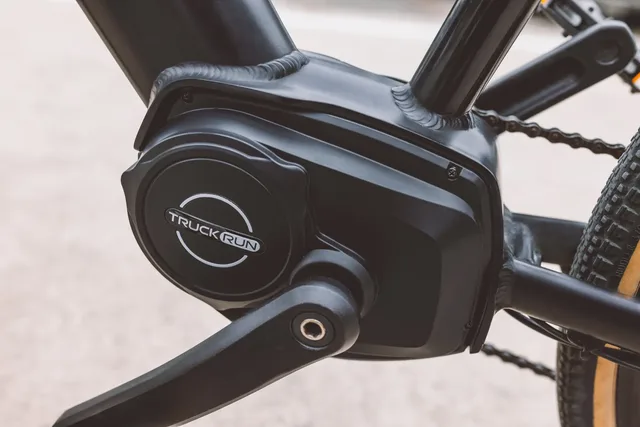
This guide covers motor efficiency, comparing electric drive systems such as direct-drive setups and series energy chains while exploring how different vehicle categories impact speed and range.
How does electric motor performance impact acceleration?
A driver presses the accelerator pedal, feeling the instant surge of torque that distinguishes electric propulsion from internal combustion. This immediate response is a hallmark of EV motor technology, where the traction motor delivers peak torque at very low revolutions.
The electric traction motor develops its maximum torque of 180 N⋅m (130 lbf⋅ft) between 0 and 1600 RPM, while maximum power is 28 kW (38 hp), delivered between 1600 and 5500 RPM. This specific delivery profile ensures that the vehicle responds quickly from a standstill.
High-performance applications, such as the first-generation Tesla Roadster, demonstrated this potential by completing a quarter-mile in dry conditions in 12.643 seconds, setting a record in the National Electric Drag Racing Association among the SP/A3 class.
In this sequence, the first step is the most critical.
How can I optimize my EV motor design?
Late at night, the engineer hunches over the desk and stares at the electric glow of the monitor. Late at night, the engineer hunches over the desk while studying the electric flow on the screen.
An engineer sits at a workstation, reviewing the energy flow from the battery through the inverter to the wheels. Optimizing EV motor design requires minimizing the losses that occur during energy conversion, especially when comparing different powertrain architectures.
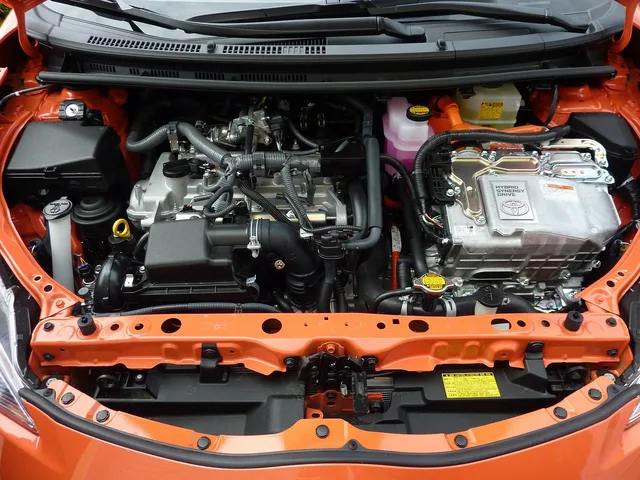
One method of maximizing driving power involves choosing a direct-drive powertrain over a series energy chain.
I observed that a direct-drive setup simplifies the mechanical path, reducing the friction and conversion steps that typically sap energy.
- Select the appropriate winding pattern to maximize torque density.
- Optimize the cooling system to maintain thermal stability during high loads.
- Refine the magnetic material composition to reduce core losses.
Which electric drive system is best for me?
A technician compares two different vehicle setups on a testing track, noting the differences in how they handle power. Understanding the nuances between various electrification levels is essential for evaluating motor efficiency boost.
| System Type | Characteristic |
|---|---|
| Series Energy Chain | At least 13% efficiency loss compared to direct-drive |
| Direct-Drive Powertrain | Higher efficiency at medium and high speeds |
How to manage electric vehicle drive in different categories?
A driver navigates a low-speed vehicle through a quiet residential street, mindful of the speed and weight limitations. Managing electric vehicle drive depends heavily on the regulatory classification and the intended use of the vehicle.
- Identify the vehicle class, such as a low-speed vehicle with a gross vehicle weight rating of less than 3,000 pounds (1,400 kg) and a top speed between 20 and 25 mph (32 and 40 km/h). 2. Verify the regulatory constraints, as some states restrict New Energy Vehicle (NEV) operation to streets with a maximum speed limit of 35 or 45 mph (56 or 72 km/h). 3. Check the battery and range limitations, noting that some low-speed designs are restricted by a typical driving range of 30 miles (48 km) per charge and a three-year battery durability.
I checked the specifications of a small electric model to ensure it met the necessary safety and speed requirements for local streets. Note that if a low-speed vehicle is modified to exceed 25 mph (40 km/h), it becomes subject to the safety requirements of passenger cars.
What determines the range of an electric powertrain?
A driver watches the energy consumption meter on the dashboard while cruising on a long stretch of highway. The range provided by the motor and battery is influenced by the powertrain version and the efficiency of the energy management system.
The specific configuration of the powertrain can significantly alter the distance a vehicle can travel. In August 2008, additional testing with the newer Powertrain 1.5 resulted in an EPA combined range of 393 km (244 mi).
Additionally, the efficiency of the system is often measured by consumption, such as an average consumption of 26 kWh/100 km (81 mpg-e).
Which regulatory frameworks apply to electric vehicles?
A lawyer reviews a stack of documents to determine how a specific vehicle should be taxed and categorized. Regulatory frameworks define how electric motors and their supporting systems are treated by government agencies.
The California Air Resources Board (CARB) created the BEVx designation in 2012 as the only major regulatory framework to formally distinguish extended-range electric vehicles from conventional PHEVs, treating them instead as a subcategory of battery electric vehicle.
Furthermore, in 2024, over 65% of newly launched electrified ICE-based passenger vehicles in Europe carried 48-volt mild hybrid systems, according to the European Automobile Manufacturers' Association (ACEA).
The performance of an electric motor is defined by its torque-to-RPM curve, the efficiency of its energy chain, and the regulatory constraints of its vehicle class.
Comments 0