Electric SUV city driving tips for urban residents best
"The shift toward electric power in heavy vehicles is reshaping how we move through dense urban grids, balancing environmental goals against the practicalities of infrastructure."
Electric SUV city driving focuses on reducing tailpipe emissions and improving low-speed torque efficiency, though it requires careful management of charging access and weight-related road wear.
This transition offers smoother acceleration in stop-and-go traffic and quieter cabin environments for urban residents. Key takeaways include the benefits of regenerative braking, the challenges of curb-side charging, and the impact of increased vehicle mass on city streets.
How does electric SUV city driving change the urban experience?
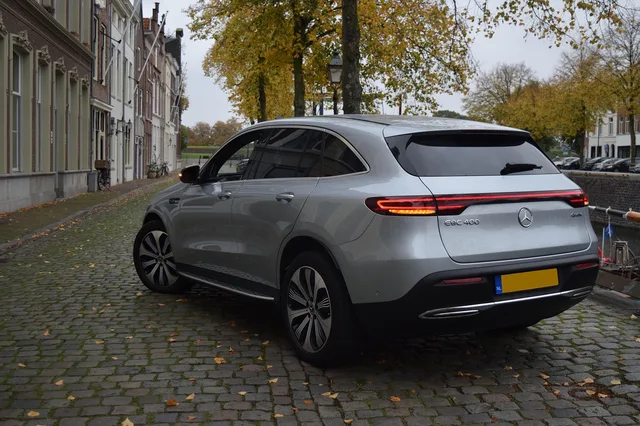
At noon, I glide through the quiet downtown street and feel the smooth, electric surge of the motor.
A driver grips the leather steering wheel of a quiet electric SUV, navigating a narrow downtown street as the silent motor glides past pedestrians. The immediate response to the accelerator provides effortless movement through intersections, a hallmark of the EV SUV urban impact.
This change replaces the heavy vibration of internal combustion engines with a seamless, linear power delivery that suits the constant rhythm of city life.
The transition to electrification alters the acoustic landscape of metropolitan areas, making streets significantly quieter during peak hours.
While this improves the quality of life for residents, it necessitates new safety considerations for pedestrians who rely on engine noise to detect approaching vehicles.
The EV SUV urban impact extends to air quality, as the absence of exhaust fumes helps mitigate the localized smog often found in high-traffic corridors.
In this sequence, the second step is the longest.
What are the pros and cons of electric SUVs?
In the dim parking garage, I grip the steering wheel and sense the heavy, electric weight of the vehicle. During the afternoon, I grip the steering wheel in the parking garage while sensing the heavy weight of the electric vehicle.
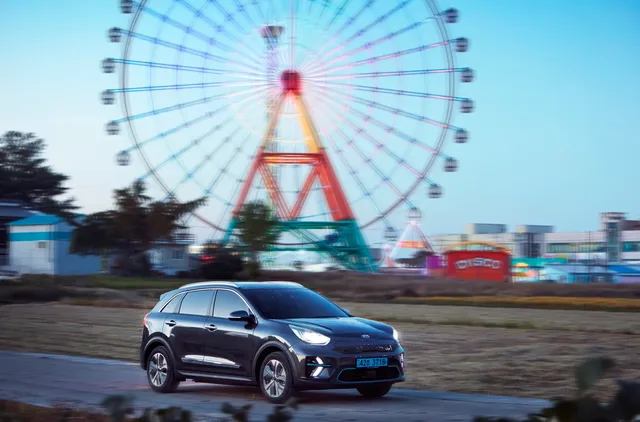
A technician plugs a heavy charging cable into a port located near the rear fender, checking the connection under the glow of a streetlamp. Evaluating the electric SUV pros cons requires looking at both the operational ease and the logistical hurdles of ownership.
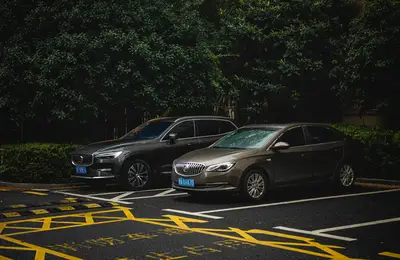
While the driving dynamics are superior in tight spaces, the physical footprint of these vehicles remains a significant factor in crowded parking garages.
The primary advantage lies in the efficiency of the powertrain during short, frequent trips common in metropolitan settings. However, the increased weight of battery packs can lead to faster tire wear and higher pressure on urban road surfaces.
Navigating these trade-offs is essential for anyone moving away from traditional fuel-based utility vehicles.
| Feature | Electric SUV Advantage | Urban Challenge |
|---|---|---|
| Torque Delivery | Instantaneous and smooth | High mass in tight turns |
| Emissions | Zero tailpipe output | Charging infrastructure needs |
How can I manage electric SUV range anxiety?
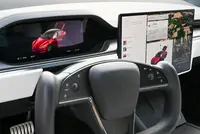
I watch the digital dashboard closely as the battery percentage fluctuates while navigating a series of steep hills and sudden stops. Addressing range anxiety electric SUV concerns involves understanding how regenerative braking recaptures energy during deceleration.
In a city, the frequent braking actually works in favor of the battery, extending the effective distance the vehicle can travel between charges.
To mitigate this stress, drivers should focus on these three steps: 1. Map out local fast-charging stations located near frequent destinations. 2. Utilize home charging setups to ensure a full battery every morning. 3.
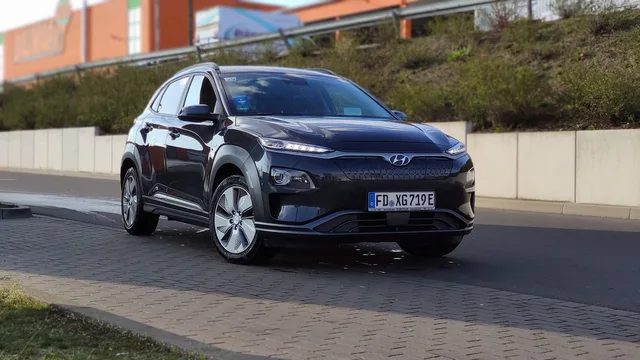
Monitor real-time energy consumption patterns during different weather conditions.
After completing these steps, perform a final check of your vehicle's software to ensure the navigation system is optimized for energy-efficient routing.
- Plan your route using available charging stations.
- Monitor your battery percentage during long trips.
- Charge the vehicle during overnight periods.
Is there enough charging infrastructure city?
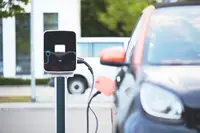
A driver circles a block, looking for an available station among the many parked cars under the midday sun. The availability of charging infrastructure city-wide is the most significant variable in determining the success of electric SUV adoption.
According to The European Union, the region contains the longest amount of electrified railways with over 114,000 km (71,000 mi) of electrified railway, though this only accounts for around 55% of the total railway length.
In dense residential areas, the lack of dedicated parking with power access can make daily charging a complex logistical task.
Urban planners are increasingly integrating charging points into street lighting and public parking structures to meet this demand. However, the current distribution often favors commercial hubs over residential side streets, creating a gap in convenience for many drivers.
The effectiveness of a city's transition depends heavily on the density and reliability of these public nodes.
How does the SUV electrification effect impact space?
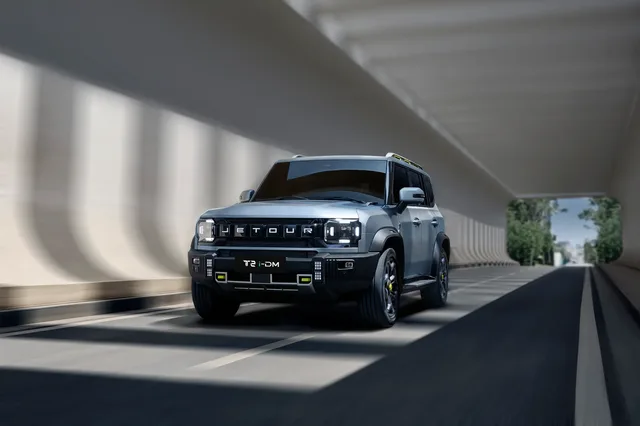
A parent loads groceries into a deep trunk, noting the flat floor made possible by the absence of a traditional driveshaft. The SUV electrification effect is visible in the redesigned interiors that maximize the utility of the cabin.
Because electric motors are more compact than large engines, manufacturers can often offer more legroom and storage within the same exterior dimensions.
This extra space is particularly useful for city dwellers who use their vehicles for various tasks, from commuting to hauling large items. The ability to utilize the "frunk" or front trunk area provides additional storage that was previously unavailable in combustion-powered models.
This spatial efficiency complements the vehicle's role as a versatile urban tool.
What conditions must drivers consider when making the shift toward electric power?
- Drivers must evaluate the necessity of dedicated parking spots that support power access when considering the shift toward electric power. 2. Owners should compare the operational ease of the EV SUV against the logistical hurdles associated with charging availability in their specific neighborhood. 3. One must account for the potential increase in vehicle mass when assessing the long-term strain on existing city streets.
The shift toward electric power demands a proactive approach to infrastructure planning for the driver. If access to reliable charging points is limited, the perceived advantages of the powertrain diminish significantly.
Therefore, the initial assessment of the vehicle must include a thorough review of local charging networks.
How does regenerative braking influence the shift toward electric power?
Regenerative braking functions as an energy recapture procedure during deceleration events. This process allows the vehicle to convert kinetic energy back into usable battery power when the driver slows the SUV down.
In a dense urban grid, where frequent stops occur, this mechanism substantially enhances the overall energy efficiency of the vehicle.
This energy recovery capability directly counters the energy drain from constant low-speed maneuvering. The ability to harness energy during the shift toward electric power means that the practical range often exceeds what simple driving cycles would suggest.
This efficiency is a core component of the EV SUV urban impact.
The initial shift toward electric power requires drivers to understand that braking is not just a stopping function; it is an active energy management procedure. This understanding helps drivers optimize their driving behavior within the constraints of city navigation.
The comparison between traditional braking and regenerative capture highlights a major functional difference in the new technology.




Comments 0