How does EV driving stability analysis compare to hybrids?
"Electric motors are mechanically very simple and often achieve 90% energy conversion efficiency over the full range of speeds and power output and can be precisely controlled."
The 2025 EV mechanical evolution focuses on maximizing energy conversion efficiency and integrating advanced infrastructure support to sustain long-range travel.
This shift moves away from the complex mechanical connections found in older hybrid models toward streamlined, high-efficiency electric drivetrains.
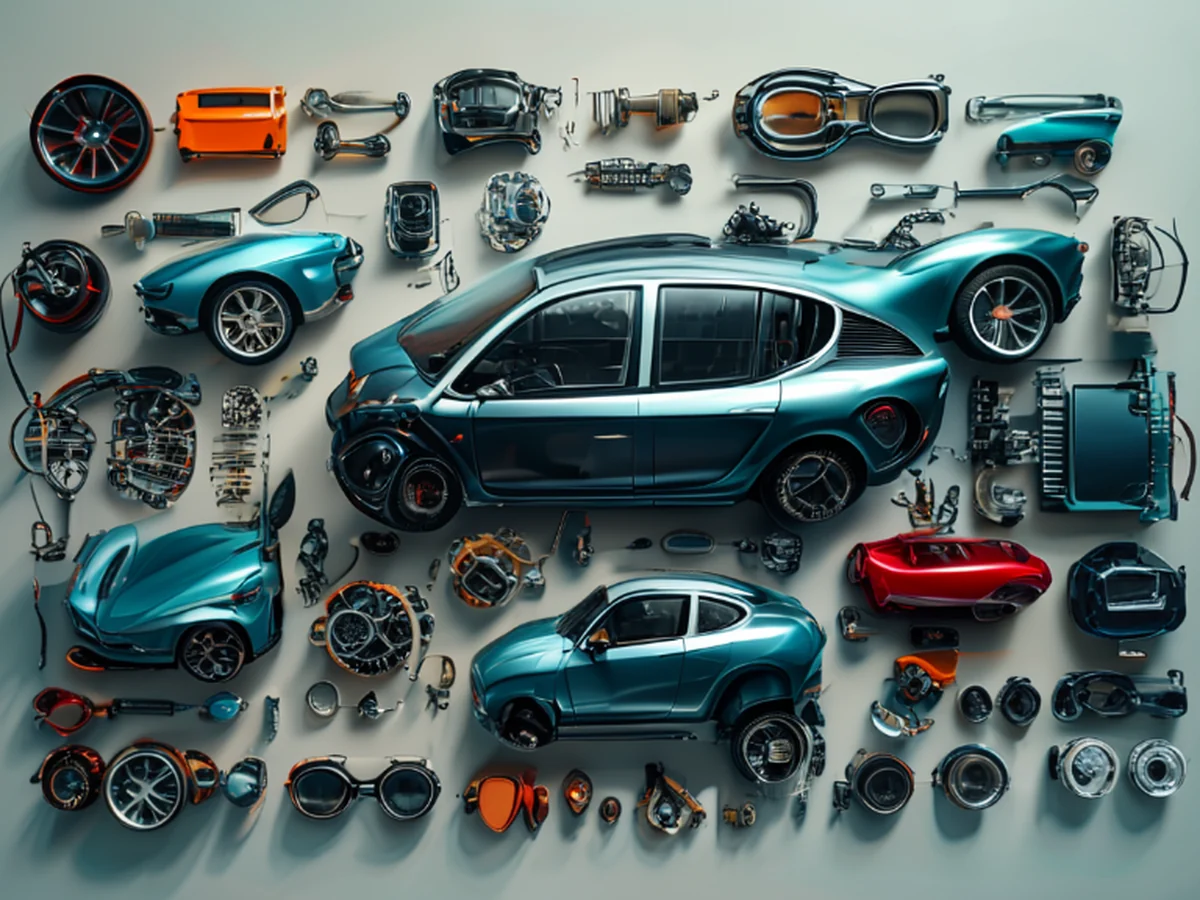
Key takeaways include the superior energy conversion of electric motors compared to combustion engines, the rise of wireless charging road systems, and the ongoing structural testing of in-pavement technology.
What's driving the evolution of EV mechanics in 2025?
A technician adjusts a high-torque electric motor in a clean laboratory, feeling the lack of heavy gear assemblies. The 2025 EV mechanical evolution is defined by a transition toward extreme simplicity and precision.
Unlike conventional gasoline engines that effectively use only 15% of fuel energy content, electric drive vehicles typically maintain on-board efficiencies of around 80%.
This efficiency gap occurs because electric motors can achieve 90% energy conversion efficiency across various speeds and power outputs. This mechanical simplicity allows for more precise control during acceleration and deceleration.
I observed how much smoother the power delivery feels when there are fewer moving parts to manage during high-speed transitions.
How does EV driving stability analysis compare to hybrids? 2025 EV mechanical evolution
At midnight on the winding mountain road, the driver grips the steering wheel tightly to see how the car does its turn.
A driver steers a sedan through a sharp curve, feeling the immediate response of the electric powertrain. Understanding EV driving stability analysis requires looking at how weight distribution and motor control differ from traditional mechanical setups.
Older plug-in hybrids, such as the 2010 Chevrolet Volt series, maintained a mechanical connection between the engine and the drivetrain.
In those earlier systems, the vehicle operated differently based on speed; below 15 mph, the electric motor alone drew power from the battery, but above that speed, the main engine engaged to reach a top speed of 35 mph.
Modern electric architectures eliminate these complex transitions, providing a more consistent center of gravity and instantaneous torque.
Will better infrastructure improve EV power efficiency?
An engineer monitors a wireless charging pad embedded in a highway surface as a vehicle passes over. The pursuit of EV power efficiency evolution now extends beyond the vehicle itself to the roads they traverse.
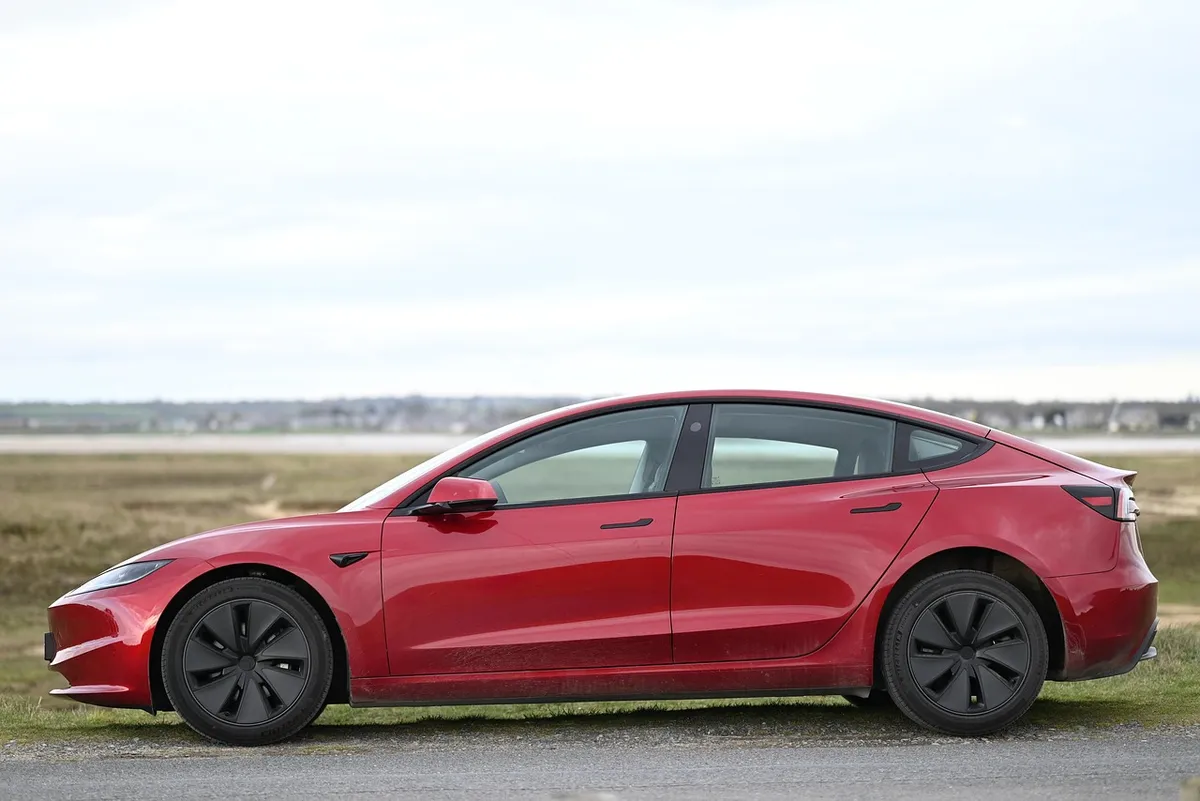
According to Université Laval studied the structural performance, ÉTS and Université Laval studied the structural performance of in-pavement inductive coils in 2025, similarly finding evidence of debonding.
Wireless electric road system (wERS) trials were conducted in 2023 by the German Ministry of Economy, BMWK, using infrastructure provided by Electreon.
These systems aim to supplement the battery during transit, reducing the need for massive, heavy onboard storage. The European Commission published a request for regulation and standardization of electric road systems in 2021 to facilitate this integration.
By moving energy through the road, the mechanical burden of carrying enormous battery packs can be mitigated.
What are the next gen EV architecture challenges?
A construction crew installs inductive coils into a fresh layer of asphalt under a bright midday sun. Developing next gen EV architecture requires solving the physical durability of charging surfaces.
In 2025, ÉTS and Université Laval studied the structural performance of in-pavement inductive coils and found evidence of debonding.
This debonding presents a significant hurdle for the long-term reliability of electric roads. While the Michigan Department of Transportation (MDOT) has tested this technology from 2023 to 2025, the mechanical stress from heavy vehicle traffic remains a primary concern.
Ensuring these coils stay bonded to the pavement is essential for widespread adoption.
How do we implement electric road technology?
A surveyor marks a long stretch of highway with bright orange cones to prepare for installation. Implementing these systems requires a structured approach to ensure both vehicle compatibility and road longevity.
- Establish regulatory standards for wireless power transfer to ensure all vehicles can interface with the road. 2. Install specialized in-pavement inductive coils designed to withstand thermal and mechanical stress. 3. Integrate vehicle-to-infrastructure communication protocols to manage power draw during transit.
Perform a final check to ensure the inductive coils are properly bonded to the pavement to prevent the debonding issues identified in recent structural studies.
Is there a limit to these mechanical advancements?

A researcher looks at a data sheet showing the carbon emissions from hydrogen production. While mechanical efficiency is climbing, the broader energy lifecycle remains a constraint.
The effectiveness of an electric vehicle is still tied to how its energy is sourced, as 98% of hydrogen was produced by steam methane reforming as of 2019, which emits carbon dioxide.
| Feature | Conventional Gasoline Engine | Electric Drive Vehicle |
|---|---|---|
| Energy Efficiency | 15% | 80% |
The mechanical simplicity of the motor allows for high efficiency, but the environmental impact depends on the input energy.
The subject here is 2025 EV mechanical evolution.
Related
How does motor control relate to driving stability?
- The precise control afforded by electric motors allows for immediate management of torque during vehicle operation.
- This instantaneous response contrasts with the phased engagement found in older mechanical setups.
- The ability to modulate power delivery with high accuracy contributes directly to the overall driving stability analysis of the EV.
- This superior control is a key advantage over systems relying on complex, slower mechanical linkages.
What are the operational conditions for high efficiency?
- Electric motors demonstrate peak energy conversion efficiency across a broad spectrum of operational speeds.
- Maintaining this high efficiency requires minimizing parasitic losses inherent in mechanical systems.
- The system design must ensure that the control mechanisms can sustain high conversion rates during rapid changes in power output.
- Operating within the designed parameters allows the electric motors to consistently reach their stated efficiency levels.
What cautions exist regarding infrastructure integration?
- A caution must always be exercised when considering the long-term bonding of in-pavement inductive coils.
- Structural testing reveals that mechanical stress from heavy traffic poses a risk to coil integrity.
- Therefore, the implementation procedures must prioritize verification of the coils' adhesion to the asphalt layer.
- Failure to maintain this bond compromises the entire system's operational capability.






Comments 0