Corolla guide: Best selling cars top 100 sales tips
This report identifies the top 100 best-selling car models based on cumulative global sales data as of November 24, 2026. The list includes historical icons and modern leaders, specifically targeting readers interested in automotive market trends and long-term production success. 1. Ranking Criteria: Cumulative sales of global car model lineages. 2. Data Sources: Manufacturer official figures combined with JATO Dynamics and Focus2Move registrations. 3. * Limitation: Rankings for certain historical eras are estimated based on available knowledge databases.
How were the best selling cars top 100 selected?
At midnight in the dim office, the researcher rubbed tired eyes while scrolling through data to verify the lineage of the corolla.
A researcher sits at a desk, scrolling through massive spreadsheets of registration data to ensure every entry meets the strict criteria for the list. The selection process relies on the cumulative sales of specific car model lineages to determine the top ranked car sales list, rather than individual year-over-year sales.
According to Wikipedia: List of best-selling automobiles, JATO Dynamics Global Car Sales, Toyota (as of 2026-11-26), the ranking is calculated using a formula that adds official manufacturer cumulative production and sales announcements to quantitative registration data from JATO Dynamics and Focus2Move.
For periods where official rankings are not publicly disclosed, the editorial team uses comprehensive estimates based on existing knowledge databases.
This methodology ensures that the highest volume car models are captured across decades of production. The list includes both classic small cars and modern pickups to reflect true historical dominance.
Complete Top 1–100 Ranking Table
Reference Date: 2026-11-26 · Primary Sources: https://en.wikipedia.org/wiki/List_of_best-selling_automobiles · https://en.wikipedia.org/wiki/Toyota_Corolla · https://www.jato.com/
| Rank | Model (Brand) | Debut–Present | Class·Powertrain | Global Cumulative Sales | Key Generational Traits |
|---|---|---|---|---|---|
| 1 | Toyota Corolla | 1966–present | Compact sedan·Gas/Hybrid | approx. 53M units | Byword for reliability |
| 2 | Ford F-Series | 1948–present | Pickup truck·Gas/Diesel | approx. 45M units | Long-time US sales leader |
| 3 | Chevrolet Silverado (C/K) | 1960–present | Pickup truck·Gas/Diesel | approx. 40M units | Workhorse for business |
| 4 | Volkswagen Golf | 1974–present | Compact hatch·Gas/Diesel | approx. 37M units | Defined the hatchback class |
| 5 | Volkswagen Passat | 1973–present | Midsize sedan·Gas/Hybrid | approx. 34M units | Classic family car |
| 6 | Honda Civic | 1972–present | Compact sedan·Gas/Hybrid | approx. 27.5M units | Byword for reliability |
| 7 | Toyota Hilux | 1968–present | Pickup truck·Gas/Diesel | approx. 26M units | Workhorse for business |
| 8 | Toyota Camry | 1982–present | Midsize sedan·Gas/Hybrid | approx. 22M units | Classic family car |
| 9 | Ford Fiesta | 1976–2023 | Subcompact hatch·Gasoline | approx. 22M units | Perennial European best-seller |
| 10 | Volkswagen Beetle | 1938–2003 | Classic small car·Gasoline | approx. 21.5M units | People's car for the masses |
| 11 | Honda Accord | 1976–present | Midsize sedan·Gas/Hybrid | approx. 20.5M units | Classic family car |
| 12 | Volkswagen Polo | 1975–present | Subcompact hatch·Gasoline | approx. 20M units | Perennial European best-seller |
| 13 | Ford Escort | 1968–2004 | Compact hatch·Gas/Diesel | approx. 20M units | Perennial European best-seller |
| 14 | Ford Focus | 1998–2025 | Compact hatch·Gas/Diesel | approx. 18.5M units | Perennial European best-seller |
| 15 | Volkswagen Jetta | 1979–present | Compact sedan·Gas/Hybrid | approx. 18M units | Hugely popular in China |
| 16 | Lada Classic (Zhiguli) | 1970–2012 | Classic small car·Gasoline | approx. 17.5M units | Built for decades |
| 17 | Renault Clio | 1990–present | Subcompact hatch·Gasoline | approx. 17M units | Perennial European best-seller |
| 18 | BMW 3 Series | 1975–present | Premium sedan·Gas/Diesel | approx. 17M units | Performance sports DNA |
| 19 | Ford Model T | 1908–1927 | Classic small car·Gasoline | approx. 16.5M units | Symbol of mass production |
| 20 | Chevrolet Impala | 1958–2020 | Full-size sedan·Gasoline | approx. 16M units | Long-time US sales leader |
| 21 | Nissan Sunny/Sentra | 1966–present | Compact sedan·Gas/Hybrid | approx. 16M units | Byword for reliability |
| 22 | Toyota RAV4 | 1994–present | Compact SUV·Gas/Hybrid | approx. 15.5M units | Pioneered the crossover SUV |
| 23 | Hyundai Elantra (Avante) | 1990–present | Compact sedan·Gas/Hybrid | approx. 15.5M units | Symbol of Korean car success |
| 24 | Mercedes-Benz E-Class | 1953–present | Premium sedan·Gas/Diesel | approx. 15M units | Benchmark of the premium class |
| 25 | Ram Pickup | 1981–present | Pickup truck·Gas/Diesel | approx. 15M units | Workhorse for business |
| 26 | Opel Astra | 1991–present | Compact hatch·Gas/Diesel | approx. 14.5M units | Perennial European best-seller |
| 27 | Opel Corsa | 1982–present | Subcompact hatch·Gasoline | approx. 14.5M units | Thrifty city runabout |
| 28 | Chrysler Minivans (Caravan) | 1983–present | Minivan·Gasoline | approx. 14.5M units | Created the minivan genre |
| 29 | Honda CR-V | 1995–present | Compact SUV·Gas/Hybrid | approx. 14M units | Pioneered the crossover SUV |
| 30 | Audi 80/A4 | 1966–present | Premium sedan·Gas/Diesel | approx. 13M units | Benchmark of the premium class |
| 31 | Volkswagen Transporter | 1950–present | Van·Gas/Diesel | approx. 13M units | Iconic original design |
| 32 | Toyota Land Cruiser | 1951–present | Off-road 4x4·Gas/Diesel | approx. 11.5M units | Legendary 4WD off-roader |
| 33 | Mercedes-Benz C-Class | 1982–present | Premium sedan·Gas/Diesel | approx. 11M units | Benchmark of the premium class |
| 34 | Oldsmobile Cutlass | 1961–1999 | Midsize sedan·Gas/Hybrid | approx. 11M units | Long-time US sales leader |
| 35 | Toyota Yaris (Vitz) | 1999–present | Subcompact hatch·Gasoline | approx. 10.5M units | Thrifty city runabout |
| 36 | Suzuki Alto | 1979–present | City car·Gasoline | approx. 10.5M units | India's people's car |
| 37 | BMW 5 Series | 1972–present | Premium sedan·Gas/Diesel | approx. 10M units | Benchmark of the premium class |
| 38 | Ford Transit | 1965–present | Van·Gas/Diesel | approx. 10M units | Workhorse for business |
| 39 | Ford Mustang | 1964–present | Sports car·Gasoline | approx. 10M units | American muscle icon |
| 40 | Nissan X-Trail/Rogue | 2000–present | Compact SUV·Gas/Hybrid | approx. 10M units | Pioneered the crossover SUV |
| 41 | Chevrolet Suburban | 1935–present | Full-size SUV·Gasoline | approx. 10M units | Original full-size SUV |
| 42 | Opel Kadett | 1936–1991 | Compact hatch·Gas/Diesel | approx. 10M units | People's car for the masses |
| 43 | Chevrolet Malibu | 1964–2024 | Midsize sedan·Gas/Hybrid | approx. 10M units | Classic family car |
| 44 | Hyundai Accent (Excel) | 1985–present | Subcompact hatch·Gasoline | approx. 9.5M units | Symbol of Korean car success |
| 45 | Hyundai Sonata | 1985–present | Midsize sedan·Gas/Hybrid | approx. 9.5M units | Symbol of Korean car success |
| 46 | Hyundai Tucson | 2004–present | Compact SUV·Gas/Hybrid | approx. 9.5M units | Pioneered the crossover SUV |
| 47 | Toyota Corona | 1957–2001 | Midsize sedan·Gas/Hybrid | approx. 9M units | Classic family car |
| 48 | Suzuki Swift | 2000–present | Subcompact hatch·Gasoline | approx. 9M units | Thrifty city runabout |
| 49 | Honda Fit (Jazz) | 2001–present | Subcompact hatch·Gasoline | approx. 8.8M units | Spacious and practical |
| 50 | Fiat Uno | 1983–2013 | Subcompact hatch·Gasoline | approx. 8.8M units | Value car for emerging markets |
| 51 | Fiat Panda | 1980–present | City car·Gasoline | approx. 8.5M units | Thrifty city runabout |
| 52 | Renault 4 | 1961–1992 | Classic small car·Gasoline | approx. 8.1M units | People's car for the masses |
| 53 | Ford Explorer | 1990–present | Midsize SUV·Gas/Diesel | approx. 8M units | Pioneered the crossover SUV |
| 54 | Ford Taurus | 1985–2019 | Midsize sedan·Gas/Hybrid | approx. 8M units | Iconic original design |
| 55 | Ford Ranger | 1983–present | Pickup truck·Gas/Diesel | approx. 8M units | Workhorse for business |
| 56 | Volkswagen Tiguan | 2007–present | Compact SUV·Gas/Hybrid | approx. 8M units | Pioneered the crossover SUV |
| 57 | Skoda Octavia | 1996–present | Compact sedan·Gas/Hybrid | approx. 8M units | Spacious and practical |
| 58 | Renault Megane | 1995–present | Compact hatch·Gas/Diesel | approx. 8M units | Led safety and tech innovation |
| 59 | Audi 100/A6 | 1968–present | Premium sedan·Gas/Diesel | approx. 8M units | Benchmark of the premium class |
| 60 | Jeep Cherokee | 1974–present | Midsize SUV·Gas/Diesel | approx. 8M units | Legendary 4WD off-roader |
| 61 | Suzuki Wagon R | 1993–present | City car·Gasoline | approx. 8M units | Spacious and practical |
| 62 | GMC Sierra | 1998–present | Pickup truck·Gas/Diesel | approx. 8M units | Workhorse for business |
| 63 | Mazda3 (Axela) | 2003–present | Compact sedan·Gas/Hybrid | approx. 8M units | Iconic original design |
| 64 | Nissan Altima | 1992–present | Midsize sedan·Gas/Hybrid | approx. 7M units | Classic family car |
| 65 | Kia Sportage | 1993–present | Compact SUV·Gas/Hybrid | approx. 7M units | Symbol of Korean car success |
| 66 | Toyota HiAce | 1967–present | Van·Gas/Diesel | approx. 7M units | Workhorse for business |
| 67 | Nissan March (Micra) | 1982–present | Subcompact hatch·Gasoline | approx. 7M units | Thrifty city runabout |
| 68 | Peugeot 308 | 2007–present | Compact hatch·Gas/Diesel | approx. 7M units | Iconic original design |
| 69 | Jeep Grand Cherokee | 1992–present | Midsize SUV·Gas/Diesel | approx. 7M units | Legendary 4WD off-roader |
| 70 | Fiat 500 | 1957–present | City car·Gasoline | approx. 7M units | Iconic original design |
| 71 | Volkswagen Lavida | 2008–present | Compact sedan·Gas/Hybrid | approx. 6.5M units | Hugely popular in China |
| 72 | Toyota Prius | 1997–present | Compact sedan·Gas/Hybrid | approx. 6.5M units | Pioneered mainstream hybrids |
| 73 | Chevrolet Spark (Matiz) | 1998–2022 | City car·Gasoline | approx. 6M units | Thrifty city runabout |
| 74 | Kia Pride/Rio | 1987–present | Subcompact hatch·Gasoline | approx. 6M units | Value car for emerging markets |
| 75 | Kia Forte/K3 | 2008–present | Compact sedan·Gas/Hybrid | approx. 6M units | Symbol of Korean car success |
| 76 | Mitsubishi Lancer | 1973–2017 | Compact sedan·Gas/Hybrid | approx. 6M units | Performance sports DNA |
| 77 | Toyota Crown | 1955–present | Full-size sedan·Gasoline | approx. 6M units | Benchmark of the premium class |
| 78 | Hyundai Santa Fe | 2000–present | Midsize SUV·Gas/Diesel | approx. 6M units | Classic family car |
| 79 | SEAT Ibiza | 1984–present | Subcompact hatch·Gasoline | approx. 6M units | Perennial European best-seller |
| 80 | Chevrolet Cavalier | 1982–present | Compact sedan·Gas/Hybrid | approx. 6M units | Thrifty city runabout |
| 81 | Chevrolet Tahoe | 1992–present | Full-size SUV·Gasoline | approx. 6M units | Original full-size SUV |
| 82 | Wuling Hongguang | 2010–present | Minivan·Gasoline | approx. 6M units | Hugely popular in China |
| 83 | Renault 5 | 1972–present | Subcompact hatch·Gasoline | approx. 5.5M units | Iconic original design |
| 84 | Peugeot 205 | 1983–1998 | Subcompact hatch·Gasoline | approx. 5.3M units | Performance sports DNA |
| 85 | Mini (Classic) | 1959–2000 | Classic small car·Gasoline | approx. 5.3M units | Iconic original design |
| 86 | Chevrolet Camaro | 1966–2024 | Sports car·Gasoline | approx. 5.2M units | American muscle icon |
| 87 | Subaru Forester | 1997–present | Compact SUV·Gas/Hybrid | approx. 5M units | Legendary 4WD off-roader |
| 88 | Mitsubishi Triton (L200) | 1978–present | Pickup truck·Gas/Diesel | approx. 5M units | Workhorse for business |
| 89 | Skoda Fabia | 1999–present | Subcompact hatch·Gasoline | approx. 5M units | Perennial European best-seller |
| 90 | Chevrolet Equinox | 2004–present | Compact SUV·Gas/Hybrid | approx. 5M units | Pioneered the crossover SUV |
| 91 | Kia K5 (Optima) | 2000–present | Midsize sedan·Gas/Hybrid | approx. 5M units | Iconic original design |
| 92 | Peugeot 405 | 1987–present | Midsize sedan·Gas/Hybrid | approx. 5M units | Built for decades |
| 93 | Ford Mondeo | 1993–2022 | Midsize sedan·Gas/Hybrid | approx. 5M units | Perennial European best-seller |
| 94 | Ford Model A | 1927–1931 | Classic small car·Gasoline | approx. 4.8M units | Symbol of mass production |
| 95 | Dacia Logan | 2004–present | Compact sedan·Gas/Hybrid | approx. 4.5M units | Value car for emerging markets |
| 96 | Tesla Model Y | 2020–present | Midsize SUV·Electric | approx. 4.5M units | Icon of mass-market EVs |
| 97 | Renault 12 | 1969–2006 | Compact sedan·Gas/Hybrid | approx. 4.5M units | Built for decades |
| 98 | Ford Cortina | 1962–1982 | Midsize sedan·Gas/Hybrid | approx. 4.3M units | Classic family car |
| 99 | Mercedes-Benz S-Class | 1972–present | Full-size sedan·Gasoline | approx. 4M units | Led safety and tech innovation |
| 100 | Citroen 2CV | 1948–1990 | Classic small car·Gasoline | approx. 3.9M units | Iconic original design |
Which top-tier car models sell the most?
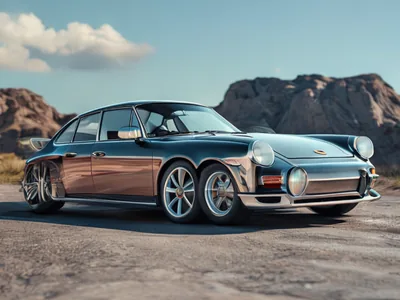
At sunset, the traveler runs their hand over the cool metal of a vintage corolla while walking through the quiet museum. A person walks through a museum, passing a vintage Beetle and a modern compact sedan, marveling at how these machines conquered the globe. The top of the list is dominated by legendary names that have remained relevant for over half a century.
The current leaders represent diverse segments, from compact sedans to heavy-duty pickups.
According to Wikipedia: List of best-selling automobiles, the top three entries are the #1 Toyota Corolla (1966–present, Compact sedan·Gas/Hybrid), #2 Ford F-Series (1948–present, Pickup truck·Gas/Diesel), and #3 Chevrolet Silverado (C/K) (1960–present, Pickup truck·Gas/Diesel).
These vehicles demonstrate the longevity required to reach the summit of the world's best selling vehicles. While sedans like the Volkswagen Passat (#5) maintain high positions, the rise of utility vehicles is evident in the upper rankings.
Can I see global car sales in a table?
During the afternoon, the analyst grips a marker in the bright office to sketch a chart comparing the corolla to other legends. An analyst marks a large whiteboard, drawing columns to compare the characteristics of the most successful vehicles in history. This comparison helps visualize the different segments that have achieved massive scale.
I compared the era of production to see how long these models stayed on the market. The table shows that survival across multiple decades is a common trait among the most successful models.
What are the key insights for automobile sales ranking 2026?
A driver grips a steering wheel, feeling the transition from old gasoline engines to new hybrid and electric technologies. The data reveals a shift in how consumers choose their vehicles over time.
The top 100 global car sales list highlights a transition from classic gasoline-only small cars to modern hybrid and diesel options. While historical icons like the Citroen 2CV (#100) relied on simple gasoline engines, the current leaders like the Toyota Corolla utilize hybrid powertrains to maintain market share.
The list also demonstrates the enduring strength of the pickup truck segment, which occupies multiple spots in the top five. This suggests that utility remains a primary driver of global volume.
How to use this cumulative car production data?
A student opens a textbook, highlighting specific rows to understand how different car classes compete globally. Understanding these patterns helps in predicting future market shifts.
- Identify the segment dominance by grouping models into categories like "Compact Sedan" or "Pickup Truck."
- Track the era of introduction to see which vehicle types have the longest production lifespans. 3. Compare powertrain types to observe the historical move from pure gasoline to hybrid and diesel. 4. Perform a final check to ensure the model lineage being studied is the one represented in the ranking.
The data is most useful when looking at long-term trends rather than short-term fluctuations. It is important to note that the list is limited to models where cumulative data is verifiable through the specified sources.
What limitations affect the accuracy of this report?
The report identifies certain historical eras as estimates rather than exact figures. This condition occurs when official rankings for specific time periods are not publicly disclosed by manufacturers.
In these instances, the editorial team relies on comprehensive estimates derived from existing knowledge databases. This approach is used specifically for periods where direct manufacturer figures or registration data are unavailable.
Users should exercise caution when comparing modern, data-rich eras to these estimated historical periods. The methodology relies on a combination of official announcements and quantitative registration data to maintain as much accuracy as possible across the entire list.
Comments 0