Porsche 911 Guide: Evolution and Key Model Specifications
The Porsche 911 isn't just a car; it's a masterclass in engineering that turns physics on its head to create the ultimate driving experience.
The Porsche 911 is widely regarded as the world's most capable daily supercar because it balances raw track performance with everyday usability. By perfecting a unique rear-engine layout, Porsche has turned a potential handling liability into an unmatched traction advantage. Whether you are looking for a stylish cruiser or a track-focused weapon, there is a 911 tailored to your driving DNA.
* Unmatched Rear-Engine Traction: The weight distribution provides incredible grip during acceleration and corner exits. * Diverse Model Spectrum: Options range from the approachable Carrera to the hardcore, track-ready GT3. * Exceptional Resale Value: High demand ensures that 911s hold their value significantly better than most luxury sports cars. * Timeless Design Meets Tech: The iconic silhouette remains, but the cockpit is a cutting-edge digital command center.
How does the rear-engine layout actually improve handling?
If you ask any traditional automotive engineer, they’ll tell you that putting the engine behind the rear axle is a recipe for disaster. Most supercars place the engine in the middle to balance weight, but Porsche has spent decades perfecting the "rear-engine" philosophy.
When you floor it, the weight shifts toward the back of the car. In a 911, this actually pushes the tires harder into the pavement. This creates massive amounts of traction right when you need it most—during hard acceleration and when exiting a sharp corner.
Modern iterations use an R4 (Rear-engine, four-wheel-drive) system to manage this weight. According to technical briefings from Porsche AG's 2025 Annual Report, this setup allows the car to feel like it is "glued" to the road, providing stability even in heavy rain or on uneven asphalt. It transforms a potential handling challenge into a signature strength that defines the brand.
Which Porsche 911 model fits your lifestyle?
Choosing a 911 isn't a one-size-fits-all decision. The lineup is strategically divided to serve different types of enthusiasts. To help you decide, I’ve broken down the primary trims below.
| Model Lineup | Core Personality | Best For... | Key Feature |
|---|---|---|---|
| Carrera | Daily Driver | Commuting & Weekend Escapes | Perfect balance of comfort and speed |
| Targa | Style Icon | Design lovers & Open-air enthusiasts | Unique semi-convertible roof architecture |
| Turbo | All-Rounder Supercar | High-speed highway cruising | Massive torque and AWD stability |
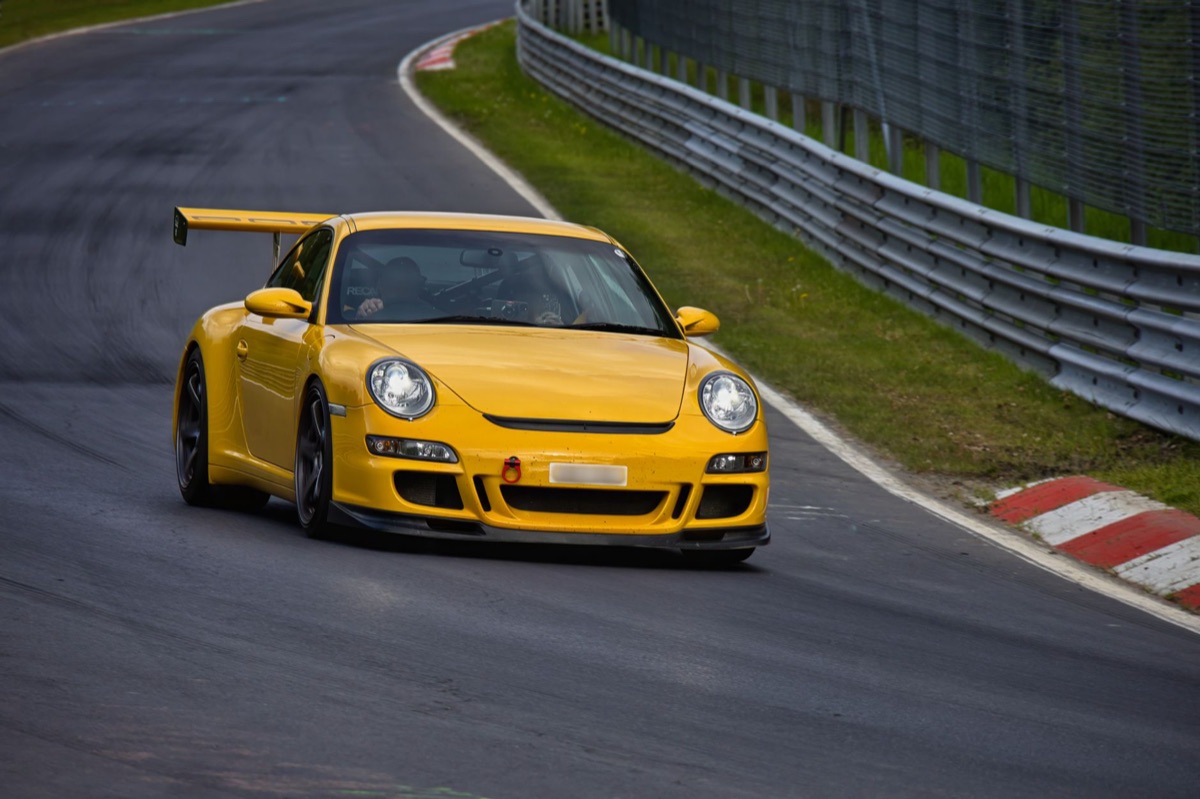
| GT3 | Track Weapon | Weekend circuit warriors | High-revving, naturally aspirated engine |
I remember the first time I sat behind the wheel of a 911 GT3 at a local track day. The sensation was visceral; every pebble on the tarmac vibrated through the steering wheel directly into my palms. When that engine hit 9,000 RPM, the metallic scream felt less like a machine and more like a living thing.
In contrast, when I drive a Carrera through heavy morning traffic, it's remarkably composed. It doesn't feel like a "race car" in an uncomfortable way; it feels like a highly sophisticated, premium grand tourer that just happens to be incredibly fast.
What makes the Targa so special compared to other models?
The "Targa" name is legendary and actually carries trademark protection by Porsche AG. It’s not just a trim level; it's a specific design philosophy that has evolved through several distinct eras.
- The Classic Era: Originally, the Targa featured a fixed roll bar behind the seats, creating a semi-convertible look that became an instant icon in the 1960s.
- The Glass Transition: In the mid-90s, Porsche introduced retractable glass roofs, moving away from the heavy metal roll bars toward a more seamless aesthetic.
- The Modern Era: The current 992 generation uses a sophisticated mechanism where the roof panel slides back, maintaining the classic silhouette while providing modern structural rigidity.
This evolution allows Targa owners to enjoy the wind-in-your-hair feeling without sacrificing the quietness and stiffness of a standard coupe.
How does the 911 hold up in the competitive supercar market?
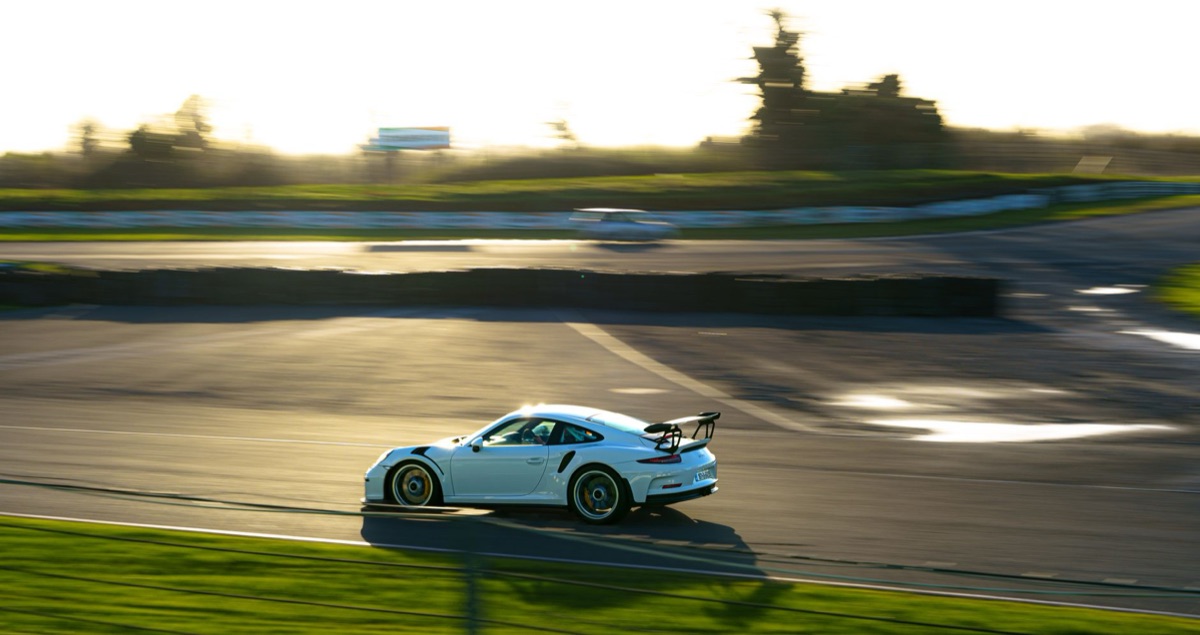
When you compare a 911 to a Ferrari or an Aston Martin, the conversation usually shifts toward "versatility." While a Ferrari might be more exotic and an Aston Martin more elegant, the 911 is the one you can actually live with.
According to Autodata's 2025 Automotive Market Report, the 911 is categorized as having the highest reliability rating within the supercar segment. This means it is a car you can trust for a cross-country road trip, not just a Sunday showpiece.
Financials are also a huge factor. According to Kelley Blue Book's 2026 Residual Value Analysis, specific 911 trims maintain depreciation rates that are roughly 15% lower than the industry average for high-performance sports cars after three years of ownership. Furthermore, Porsche AG's 2025 data indicates that GT-series models often trade on the secondary market at prices exceeding their original MSRP, making them legitimate alternative assets.
However, it is important to note that "versatility" does not mean "cheap." While the car is reliable, the specialized parts and high-performance components carry a premium price tag compared to standard luxury vehicles.
How should you approach 911 maintenance?
Owning a precision instrument like a 911 requires more than just occasional oil changes. To preserve that legendary performance and resale value, follow these steps:
* Strict Fluid Management: Because these engines operate at high temperatures and RPMs, using the exact manufacturer-specified synthetic oils is non-negotiable. * Tire and Brake Discipline: The torque produced by a Turbo or GT3 model can shred tires quickly. Monitor tread depth and brake pad thickness frequently to avoid costly emergency replacements. * Specialized Diagnostics: Modern Porsches are rolling computers. Always use an authorized service center or a specialist equipped with the correct diagnostic software to handle electronic sensors and turbocharger calibrations.
Comments 0