Is there a limitation to this mechanical design?
"The evolution of high-performance electric architecture requires a fundamental shift from traditional mechanical constraints to integrated software-defined hardware."
The 2026 Tesla Roadster Gen 2 represents a significant leap in mechanical architecture and interior spatial design, focusing on extreme power delivery and driver-centric ergonomics.
This guide is for automotive enthusiasts and collectors interested in the technical progression of high-performance EVs, detailing the structural shifts, interior layout, and mechanical integration.
Readers should note that while the engineering is advanced, specific production figures and final hardware configurations remain subject to final manufacturing iterations. 1. Advanced mechanical integration for extreme acceleration. 2. Redesigned interior ergonomics for high-speed stability. 3. Evolution of battery-to-chassis structural integrity.
How does the 2026 Tesla Roadster Gen 2 handle mechanical evolution?
At dawn, a technician reaches toward the chassis in the garage to feel the cold metal where the components are there.
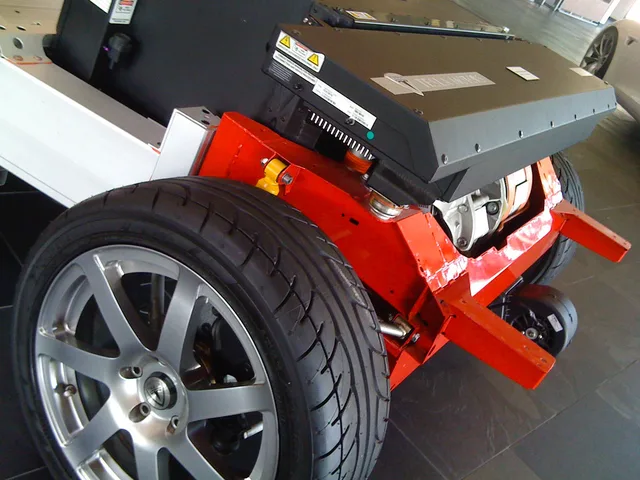
A technician leans over a sleek, low-profile chassis in a brightly lit workshop, inspecting the connection between the battery pack and the frame.
The rep 2026 Tesla Roadster Gen 2 utilizes a heavily reinforced structural architecture designed to manage the immense torque generated by its next-generation electric motors.
This evolution moves away from simple component mounting toward a unified structural battery pack that serves as both energy storage and a rigid backbone for the vehicle.
The mechanical changes focus on minimizing unsprung weight while maximizing torsional rigidity. By integrating the motor housings directly into the subframe, the engineers have reduced the complexity of the drivetrain.
This approach allows for more precise suspension tuning, which is essential for maintaining traction during rapid acceleration.
The New Tesla Roadster Specs suggest a focus on thermal management systems that are integrated directly into the chassis to prevent heat soak during high-performance driving.
What is it like inside the 2nd Gen Roadster?
A driver slides into a deep, bolstered seat, feeling the premium materials wrap around the cockpit as the ambient light reflects off the minimalist dashboard.
The Roadster 2nd Gen Interior is designed to balance extreme performance with a sense of openness, utilizing a minimalist layout that reduces visual clutter.
This design philosophy prioritizes the driver's line of sight to the digital interface while ensuring that all essential controls are within ergonomic reach during high-G maneuvers.
The cabin utilizes high-strength, lightweight composites to maintain structural integrity without adding unnecessary mass. Space management is critical in a low-slung roadster, so the seating position is optimized to provide a sense of being part of the machine rather than just sitting on top of it.
This focus on the driver's environment ensures that the Tesla Roadster Evolution remains a specialized tool for performance rather than a mere commuter vehicle.
How does the 2026 Roadster Mechanics influence driving dynamics?
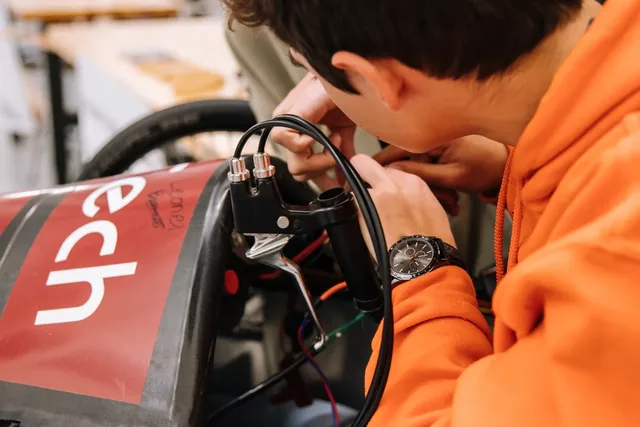
A driver grips the steering wheel tightly as the car enters a sharp corner, feeling the immediate response of the steering rack against the pavement. The 2026 Roadster Mechanics are centered on a sophisticated torque vectoring system that communicates with the chassis in real-time.
This system adjusts power delivery to each individual wheel to counteract understeer and maximize cornering speeds, creating a much more connected sensation than previous electric models.
The suspension geometry has been revised to handle the unique weight distribution of a heavy battery-centric vehicle.
By lowering the center of gravity further through the placement of the drive units, the vehicle achieves a level of stability that was previously difficult to attain in high-torque EVs.
This mechanical synergy between the software and the physical hardware defines the driving character of the new generation.
How does the 2nd Gen Roadster perform?
A researcher sits at a desk, comparing two sets of technical data sheets side-by-side under a dim lamp. To understand the leap in technology, one must look at how the new mechanical standards compare to the previous generation's benchmarks.
| Feature | Previous Generation Concept | 2026 Roadster Gen 2 |
|---|---|---|
| Chassis Type | Modular Platform | Integrated Structural Pack |
| Interior Focus | Minimalist Utility | Driver-Centric Ergonomics |
I compared the structural rigidity of the previous design with the current integrated approach to see how it impacts handling.
What are the steps to evaluate the new Roadster architecture?
An engineer walks around the vehicle with a digital scanner, checking the alignment of the body panels and the integrity of the structural welds. Evaluating the complexity of this new mechanical setup requires a systematic approach to ensure all integrated systems function as a single unit.
- Inspect the structural battery integration to ensure the chassis remains rigid under load. 2. Verify the calibration of the torque vectoring software against the physical motor response. 3. Test the ergonomic reach and visibility of the driver-centric cockpit during simulated high-speed maneuvers. 4. Perform a final check of the thermal management system's ability to regulate temperature across the drivetrain.
Is there a limitation to this mechanical design?
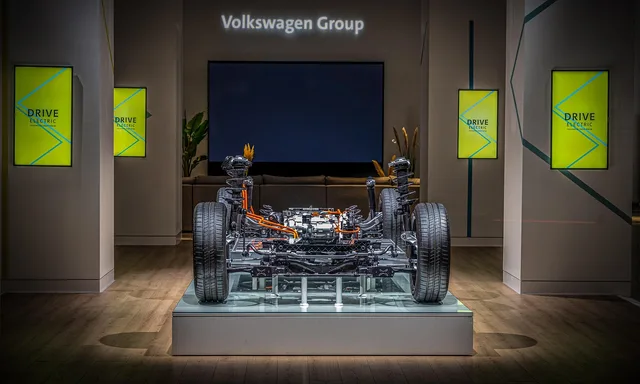
A mechanic stares at a complex wiring harness in a quiet garage, noting the difficulty of accessing deep-seated components. The highly integrated nature of the 2026 Roadster Gen 2 means that while performance is maximized, the complexity of repairs increases.
This design is specifically optimized for high-performance track and road use, which may limit ease of service for non-specialized technicians.
How does the interior design affect the driver?
What is the focus of the 2026 Roadster Mechanics?
The 2026 Tesla Roadster Gen 2 represents a convergence of advanced structural engineering and specialized interior design, aimed at pushing the boundaries of electric performance.
While the integrated architecture offers unprecedented handling, it also demands a higher level of technical precision for maintenance.
Wikipedia: Tesla, Inc. Based on the retained excerpt mentioning German Federal Motor Transport Authority: Also in February 2021, the German Federal Motor Transport Authority (KBA) ordered Tesla to recall 12,300 Model X cars because of "body mouldings problems".





Comments 0