From rugged off-roaders to sleek city commuters, the SUV has
From rugged off-roaders to sleek city commuters, the SUV has transitioned from a niche utility tool to the undisputed king of the driveway.
The modern SUV (Sport Utility Vehicle) dominates the global market by blending high ground clearance and massive cargo capacity with versatile driving performance. While they once served strictly for heavy-duty terrain, today's lineup includes everything from fuel-efficient crossovers to luxury family haulers that prioritize comfort over raw grit.
* Market Dominance: SUVs and crossovers now account for more than 50% of all new vehicle sales globally. * Core Appeal: Drivers gravitate toward these models for the commanding view of the road, superior cargo flexibility, and lifestyle compatibility (like camping or hauling gear). * Structural Diversity: Options range from "Body-on-Frame" builds for heavy towing to "Monocoque" designs for smooth, car-like handling. * Smart Selection: Choosing the right model requires balancing passenger count, intended terrain, and fuel economy goals.
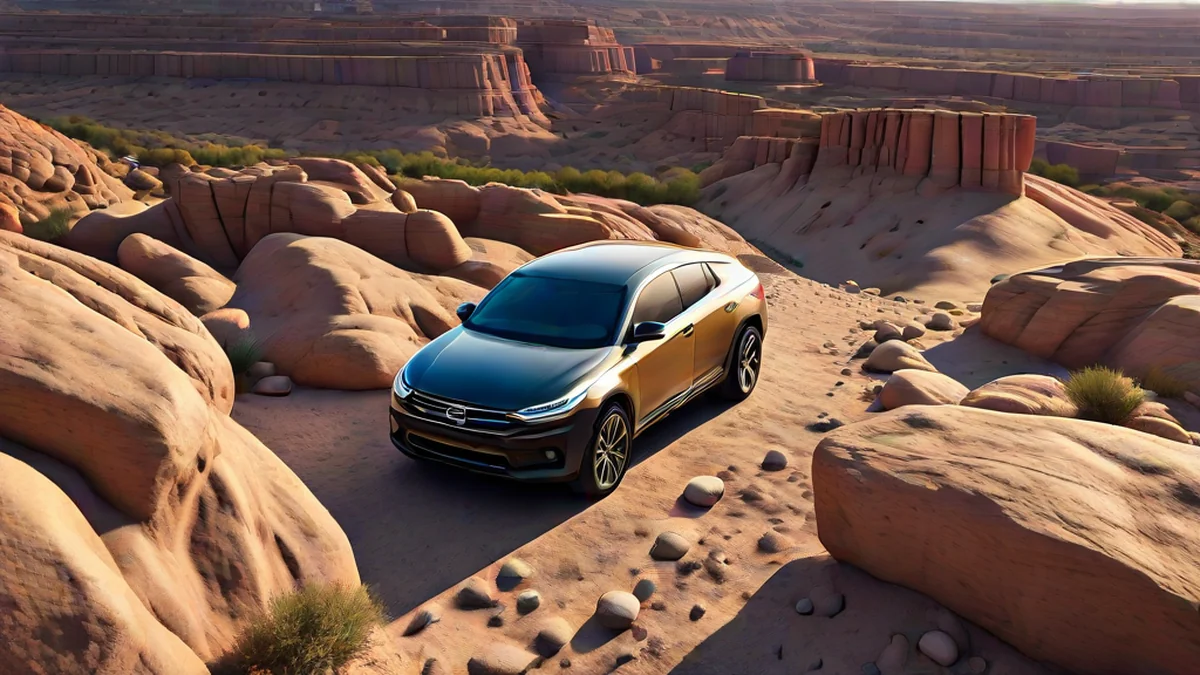
What exactly defines an SUV in today's market?
The term "Sport Utility Vehicle" can be a bit misleading if you think it only refers to speed; in automotive terms, "sport" implies the durability to handle varied environments, while "utility" highlights multi-purpose functionality.
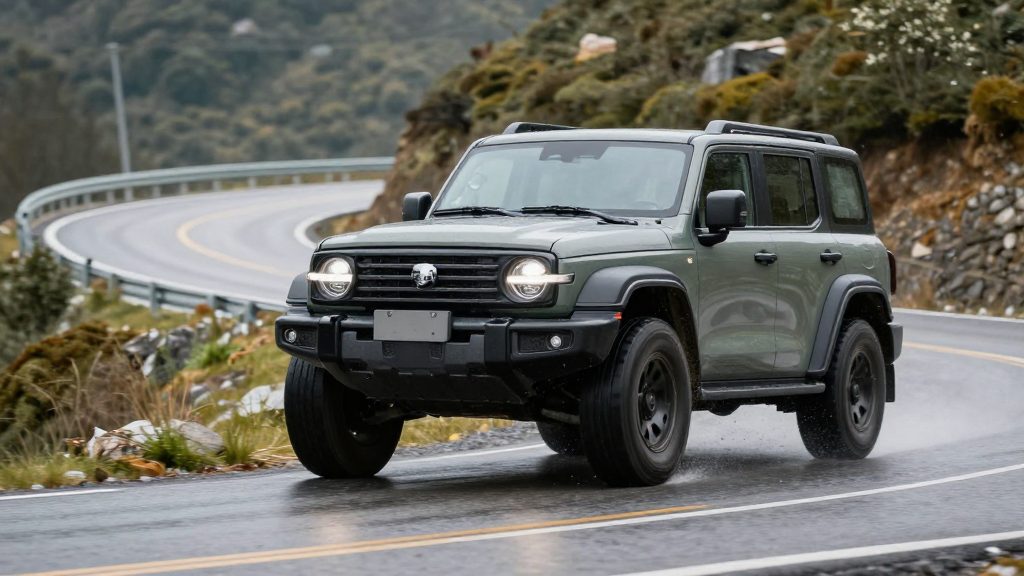
Historically, a true SUV was defined by its Body-on-Frame construction—essentially a heavy-duty steel chassis with the body bolted on top. This setup is a beast when it comes to towing trailers or crawling over rocky trails because the frame absorbs the twisting forces of uneven ground. However, most of the SUVs you see in suburban parking lots today utilize Monocoque construction, which is the same unibody method used in sedans. This makes them lighter, much more fuel-efficient, and significantly smoother on paved highways.
I saw this distinction firsthand last fall when I spent a week alternating between a traditional body-on-frame 4WD rig and a modern unibody crossover for a camping trip. When I hit the washboard gravel roads leading to my campsite, the body-on-frame vehicle felt incredibly planted; even as the chassis flexed over rocks, the impact felt "thuddy" and controlled rather than jarring. Conversely, on the long highway stretches getting there, the unibody crossover felt like it was gliding, offering a refined, quiet ride that a heavy truck simply couldn't match.
How do you categorize SUVs by size?
Navigating the sea of acronyms and sizes can be overwhelming. While manufacturers love to use creative names, the industry generally breaks them down into these four tiers:
Subcompact & Compact SUVs These are the go-to choices for urban dwellers, students, or young professionals. They excel in tight city parking and offer much better fuel economy than their larger siblings. Thanks to modern engineering, even a subcompact model can feel surprisingly roomy for two adults.
Mid-size SUVs This is the "sweet spot" of the American market and the primary battlefield for most major brands. Designed with the four-person family in mind, these models provide a balanced mix of rear legroom and trunk space. You'll also find the widest variety of hybrid powertrains in this category.
Full-size SUVs If you need to tow a boat or transport a large family, this is your lane. These vehicles often feature three rows of seating and massive cargo holds. However, be prepared: navigating narrow grocery store aisles or tight parking garages in a full-size rig requires significantly more focus and spatial awareness.

Is there a real difference between an SUV and a CUV?
This is where most buyers get tripped up. While many people use the terms interchangeably, a Crossover Utility Vehicle (CUV) represents a specific design philosophy.
If a traditional SUV is built like a truck, a CUV is built like a car that's been "lifted." CUVs prioritize passenger comfort and ease of handling over extreme off-road capability. They typically have a slightly lower ground clearance than heavy-duty SUVs but still offer a higher seating position than a standard sedan. In the current market, most "urban SUVs" you encounter are actually crossovers designed to handle rain and light snow rather than deep mud and boulders.
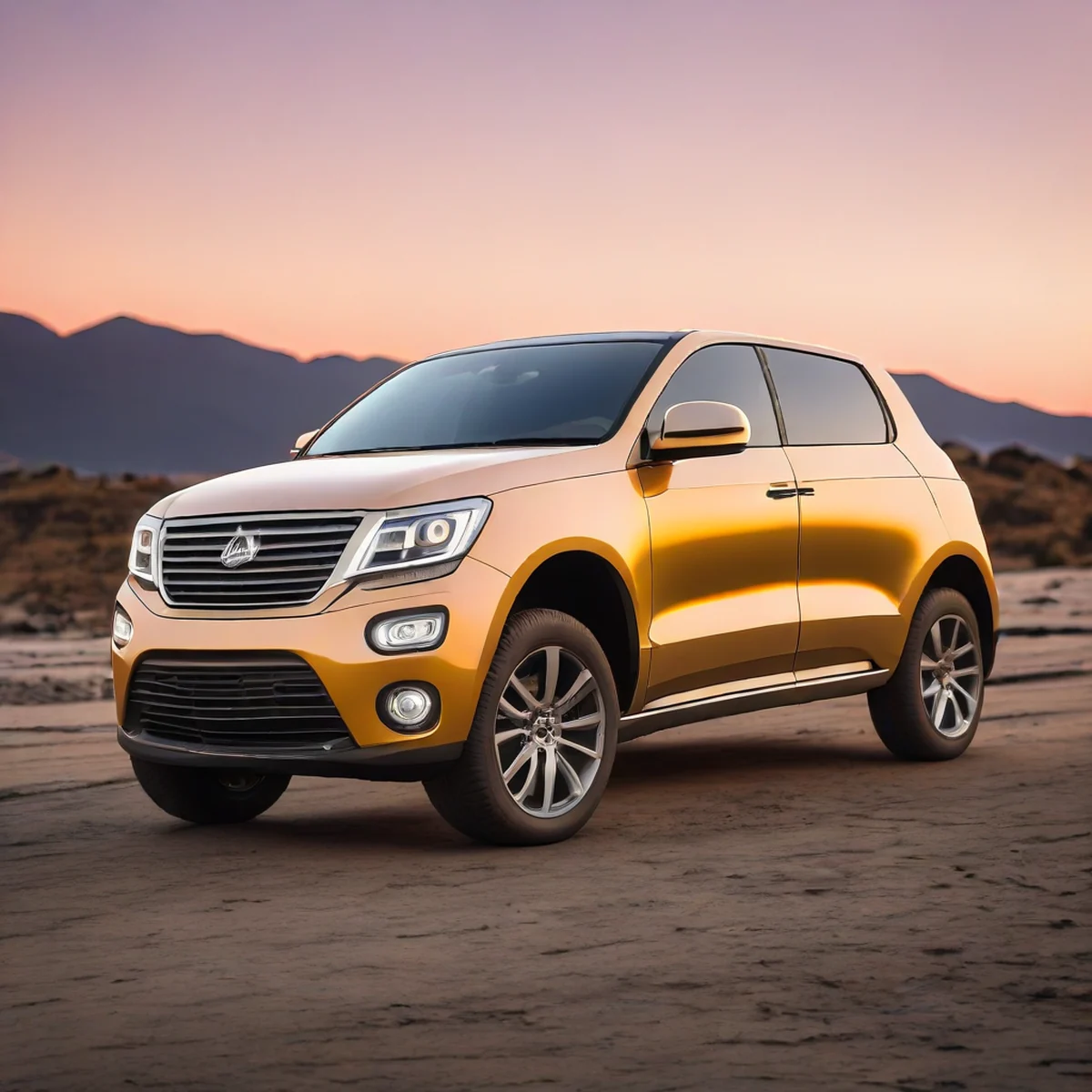
Why is the global demand for SUVs skyrocketing?
The shift isn't just a trend; it's a massive structural change in how we move. According to GlobalData’s 2023 automotive market report, the share of SUVs and crossovers in new vehicle sales has climbed steadily, now exceeding the 50% mark globally. This dominance is particularly pronounced in North America and China.
Several factors are driving this obsession: 1. Lifestyle Shifts: The rise of "overlanding" and car-camping culture has made vehicles with flat-folding rear seats and high cargo ceilings a necessity for many. 2. The Safety Perception: Drivers often feel more secure in a larger vehicle. The elevated seating position provides a better vantage point to see over traffic, which offers a psychological sense of control. 3. Technological Parity: The old argument that "SUVs are gas guzzlers" is losing steam. With the integration of advanced hybrid systems and lightweight platforms, modern SUVs can compete with sedans in terms of MPG.
A Note on Physics: It is important to remain objective—higher isn't always better. Because SUVs have a higher center of gravity, they are inherently more prone to body roll during sharp cornering and can be more susceptible to being pushed around by heavy crosswinds on the highway compared to low-slung sedans.
SUV Buyer's Comparison Guide
Use this quick breakdown to narrow down your search based on your specific needs.
| Primary Use | Recommended Drive Type | Key Feature to Prioritize |
|---|---|---|
| City Commuting | FWD or AWD | Maneuverability & Fuel Economy |
| Family Transport | AWD | Rear Seat Legroom & Safety Tech |
| Towing/Off-Road | 4WD (Body-on-Frame) | Torque & Ground Clearance |
| Weekend Adventurer | AWD or 4WD | Cargo Volume & Interior Versatility |




Comments 0