How did the Norway EV registration trends evolve over time?
A driver pulls into a charging station in Oslo, feeling the quiet hum of a motor that has replaced the roar of traditional engines.
Norway's journey toward electrification is defined by rapid market shifts and aggressive adoption rates that have reshaped the automotive landscape. This article examines the historical registration trends, regulatory drivers, and market share milestones that fueled this transition.
Key takeaways include the massive rise in plug-in market share, the impact of early tax exemptions, and the achievement of specific CO2 emission targets.
How did the Norway EV registration trends evolve over time?
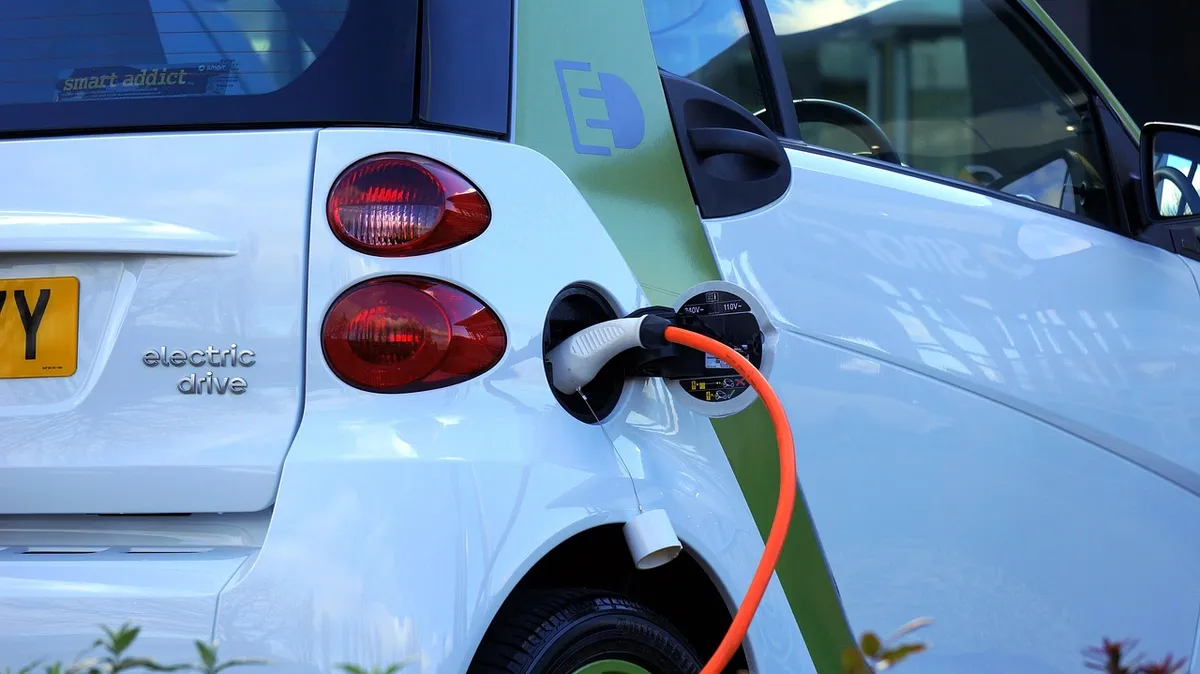
A researcher sits at a desk, scrolling through years of registration data that show a steep upward curve. The market share for plug-in cars in Norway grew from 5% in December 2016 to 10% in October 2018, eventually reaching 25% by September 2022.
The progression of the market shows a consistent upward trajectory. For instance, the plug-in car segment achieved a 29.1% share of new car sales in 2016, which climbed to 39.2% in 2017 and 49.1% in 2018. By 2020, the share reached 74.7%, and by 2024, it hit 88.9%.
The momentum continued into the next decade. In January 2024, the combined EV share reached 93.9%, consisting of 92.1% battery electric vehicles (BEVs) and 1.8% plug-in hybrids (PHEVs).
This rapid growth demonstrates how the Norway EV registration trends shifted from niche adoption to dominant market presence.
What were the milestones for Norway's BEV records? An engineer marks a milestone on a calendar, noting the moment the fleet reached a significant size. In December 2016, the country reached the milestone of 100,000 light-duty battery electric vehicles, which represented approximately 10% of all pure electric cars sold worldwide.
The growth was driven by both consumer demand and specific policy goals. According to the Norwegian Electric Vehicle Association, the goal was to reach 400,000 battery electric vehicles by 2020 to meet ambitious climate targets.
These Norway BEV market records highlight the scale of the transition. The shift was not just about numbers but about changing the composition of the national fleet. This constant expansion ensured that electric mobility became a standard rather than an exception.
How did the Norway plug-in car stats change regarding hybrid models?
A technician inspects a plug-in hybrid charging port, noting the different technical requirements compared to full electric models. In 2014, the plug-in hybrid market share was just over 1%, but it rose to 5.2% later.
The growth of hybrid technology provided a bridge during the transition period. In September 2015, the share was 4.2%, which then jumped to 13.9% by September 2016.
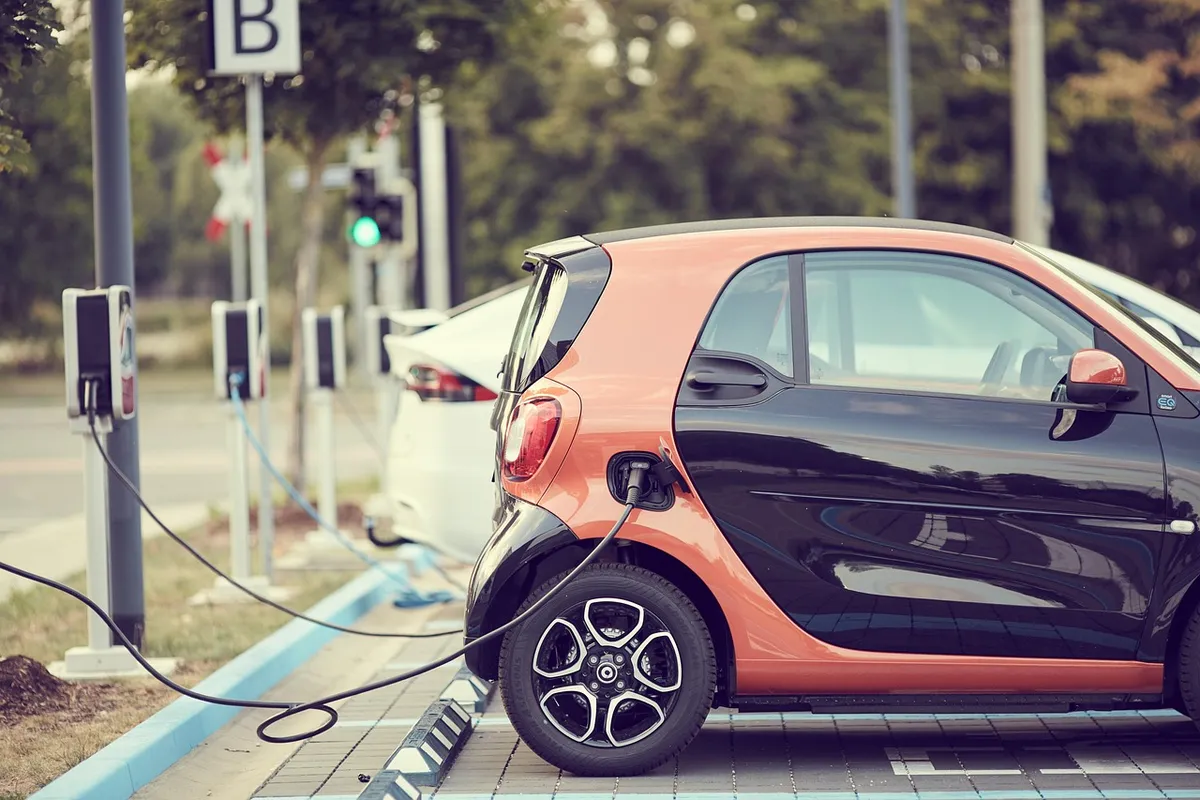
The Norway plug-in car stats show that while full electrics eventually dominated, hybrids played a significant role in the early stages. This variety allowed for different consumer needs to be met as the infrastructure evolved.
How did policy drive Norway's EV adoption history? A lawmaker reviews a budget document, looking at the tax incentives that shaped consumer behavior. Early incentives included a 10% weight deduction for hybrids that was increased to 15% for PHEVs on July 1, 2013.
The regulatory environment provided the necessary economic push. The weight deduction was further increased to 26% starting in January 2015. Additionally, in September 2013, the Norwegian Parliament approved a 25% VAT exemption for leasing electric vehicles, effective January 1, 2014.
These actions were part of a larger strategy to make electric cars competitive. By reducing the purchase price through tax exemptions on purchase and VAT, the government made electric vehicles a viable alternative to conventional cars.
This history of policy support is central to the Norway EV adoption history.
What were the environmental impacts of these changes?
A scientist monitors a digital readout of carbon emissions, seeing the numbers drop significantly. In 2017, because of fast-growing EV adoption, Norway achieved its climate target for average fleet CO2 emissions (85 g/km) for new passenger cars three years earlier than planned.
The cleanliness of the fleet is supported by the energy source. About 98% of the electricity generated in the country comes from renewable energy, mainly hydropower.
The success of the transition was measured by these environmental gains. Achieving emission targets ahead of schedule proved that rapid electrification could yield immediate climate benefits.
How do these trends compare to other regions?
A traveler compares the electric car density in different countries while looking at a map. While Norway leads in specific metrics, other regions follow different regulatory paths, such as the nine states in the US following California Air Resources Board's Zero Emission Vehicle (ZEV) regulations.
The following table compares specific market share milestones from the provided data:
| Year | Plug-in Market Share (%) |
|---|---|
| 2016 | 29.1% |
| 2018 | 49.1% |
| 2020 | 74.7% |
| 2024 | 88.9% |
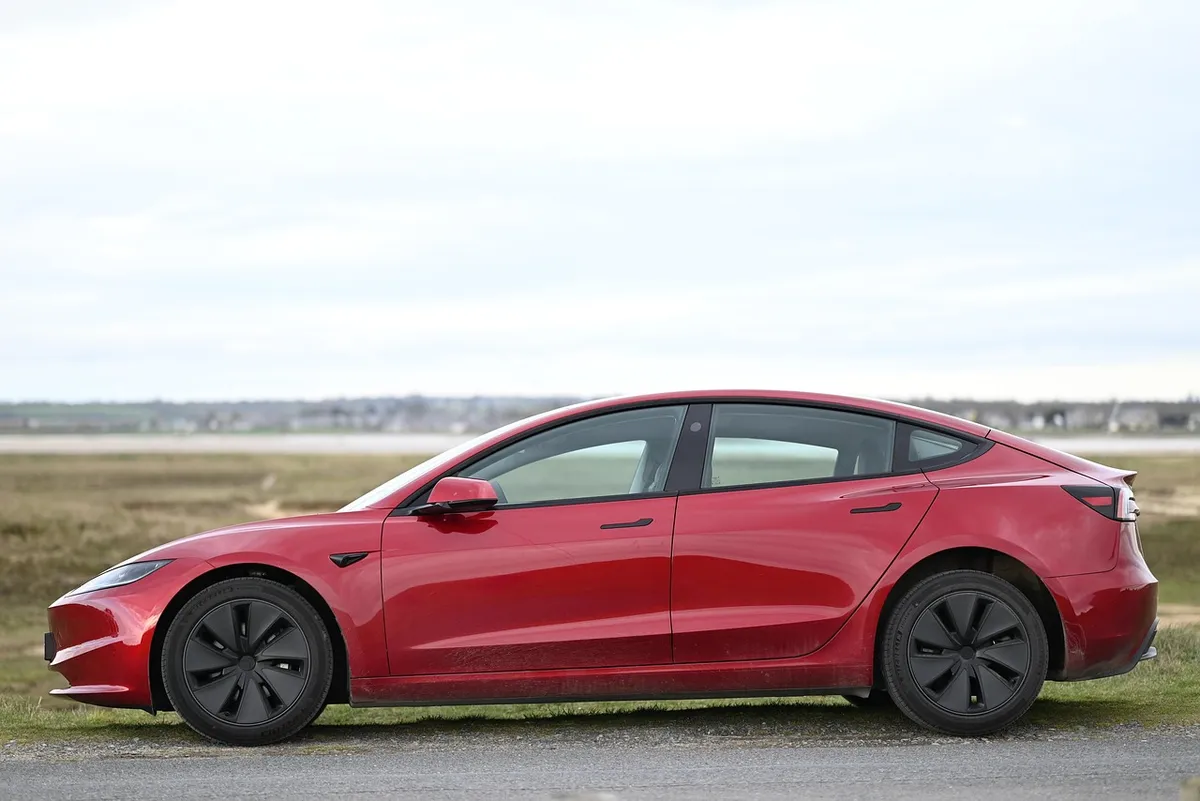
The comparison shows a clear acceleration in adoption. I noticed that the jump from 2020 to 2024 was particularly significant in terms of total market dominance.
Wikipedia: Electric car use by country Based on the retained excerpt mentioning European Commission: On the regulatory front, the European Commission's "Automotive Package" of December 2025 adjusted the 2035 emissions target to a 90% reduction, introducing flexibility for electrofuels and biofuels through a carbon-credit system involving "green steel."
- How did the Norway EV registration trends evolve over time?
- What were the milestones for Norway BEV market records?
- How did the Norway plug-in car stats change regarding hybrid models?
Related
- Norway EV market growth: Tax incentives guide adoption
- 911 Carrera S engineering value: Mid-engine chassis guide
What was the initial driver for the shift toward electrification?
The initial driver for the shift toward electrification was the combination of early policy support and consumer acceptance. A driver pulls into a charging station in Oslo, experiencing the quiet operation that signals this successful transition.
Early incentives, such as the VAT exemption, made the purchase of electric vehicles economically sound for consumers.
The policy framework created the necessary conditions for mass adoption. Tax breaks directly influenced the initial purchasing decisions regarding vehicle type. This combination of fiscal advantages and technological availability accelerated the market shift.
What cautions accompanied this rapid adoption?
A caution regarding the market growth rate is that the initial success was heavily tied to specific governmental policies. The success was not solely organic but heavily influenced by the regulatory push.
This dependence on policy meant that the market dynamics were artificially accelerated in the beginning.
The success in reaching high market share percentages was predicated on the specific conditions created by the government incentives. Without those early policy supports, the adoption curve might have been substantially flatter.
This underscores the role of proactive governance in shaping market trends.






Comments 0