MG Go Success: Chinese Brands Master Supply Chain & Tech
"The road to global dominance is no longer paved with luxury alone, but with the sheer velocity of innovation and the strategic mastery of the supply chain."
The MG Go represents more than just a compact commuter vehicle; it is a calculated move in a much larger chess game played by Chinese automotive giants.
As these manufacturers pivot from being low-cost imitators to high-tech competitors, the MG Go serves as a blueprint for how they intend to capture the global mass market.
Key Takeaways: * Chinese brands are moving beyond low-cost manufacturing to offer technologically integrated, globally competitive products like the MG Go.
* Their market penetration relies on a strategic combination of affordability, rapid feature updates, and scalable supply chain integration. * The global automotive industry is witnessing a structural shift, with Chinese players becoming key players in international manufacturing ecosystems.

Why is the MG Go suddenly everywhere?
At 8:15 AM on a Tuesday, a commuter sits in a tight urban intersection in London, glancing at the compact, sharp lines of a new MG Go idling at the red light. The driver taps the touchscreen to check a notification, the interface responding with the fluid speed of a premium smartphone.
The MG Go occupies a specific niche in the A-segment, targeting urban dwellers who require maneuverability without sacrificing the "connected" feeling of a modern vehicle.
While established rivals in Europe and North America often focus on traditional comfort or ruggedness, the Go targets the electrification and connectivity sweet points.
It offers a feature set—such as advanced infotainment and driver assistance—that would traditionally be reserved for much higher price brackets in Western markets. The design reflects a global trend toward minimalist, silhouettes that appeal to younger, tech-savvy demographics.
It isn't just about being cheap; it is about being "enough." It provides enough range for city life, enough tech to satisfy a smartphone-first generation, and enough style to avoid the stigma of a budget vehicle.
The ideal buyer is the urban professional or the second-car household looking for a seamless, low-friction ownership experience. But how do they manage to keep the price so low while packing in so much tech?
How do they win the price war without losing quality?
In a quiet boardroom in Shanghai, engineers and economists lean over digital maps, tracking the movement of components across borders. They aren't just looking at how many cars they can build, but how many markets they can own through clever positioning and vertical integration.
The strategy is shifting from simple price wars to a holistic value proposition. It is no longer enough to be the cheapest option on the lot; Chinese brands are proving they can provide the best "value per dollar" by packing high-end tech into accessible segments.
They leverage massive domestic scaling to drive down component costs, allowing them to offer features like advanced driver-assistance systems (ADAS) as standard rather than as expensive add-ons.
This speed to market is their greatest weapon. While traditional manufacturers might take five years to refresh a model, Chinese OEMs often iterate in much shorter cycles, responding to consumer feedback in near real-time.
This agility, combined with a deep control over battery supply chains, creates a barrier to entry that is difficult for legacy brands to overcome.
They are building an ecosystem where the vehicle is a seamless extension of the user's digital life, often moving faster than the regulatory and industrial cycles of the West. However, the real test lies in how these vehicles actually perform on real-world roads.
How does the tech stack up against the giants?
A driver pulls out of a parking garage at 6:00 PM, the silent electric motor providing an immediate, linear surge of torque that catches them slightly off guard. The steering feels light in their hands, and the digital interface on the dashboard responds with the snappiness of a high-end tablet.
When comparing the MG Go to global benchmarks, the powertrain is the centerpiece. It utilizes an electric drivetrain optimized for urban efficiency, providing enough torque to make city merges effortless.
While the absolute range might not rival long-range luxury EVs, the efficiency-to-weight ratio is optimized for the 30-to-50-mile daily commutes that define much of the global urban population.
Safety and digital experience are where the Go challenges the status quo. In many segments, safety features like automatic emergency braking or lane-keep assist are often optional extras in Western brands. The Go integrates these as core pillars of the driving experience.
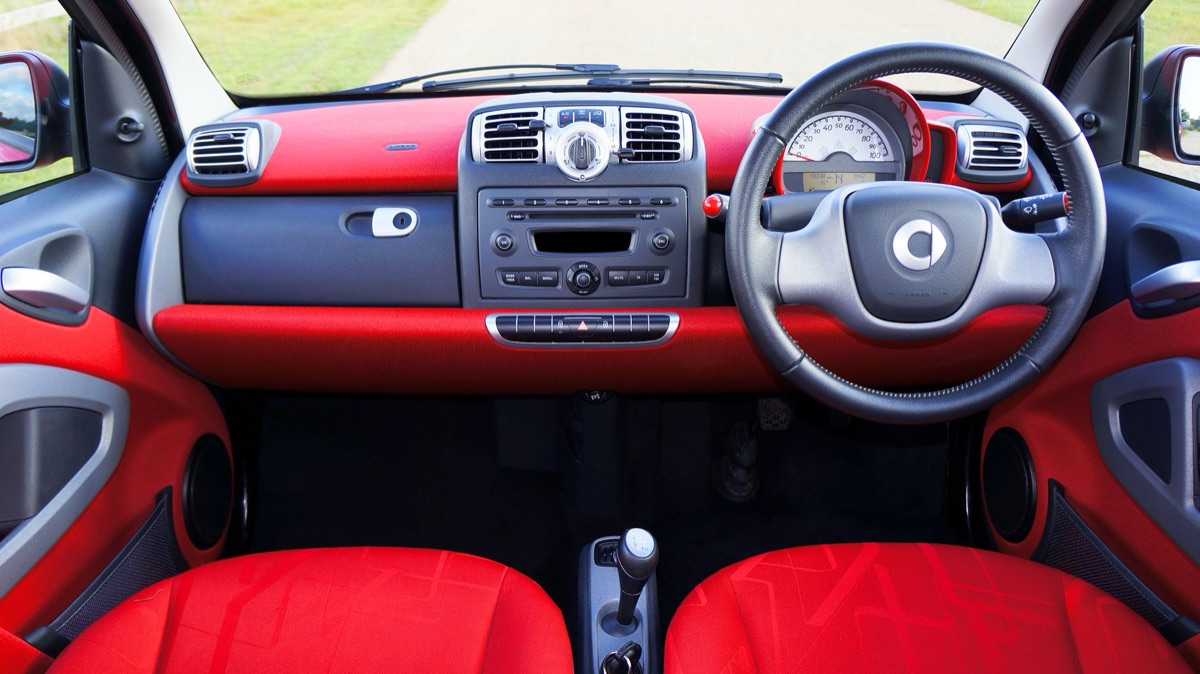
The interior avoids the "cheap plastic" feel of old budget cars, opting instead for a clean, digital-first cockpit where the infotainment system is the primary interface.
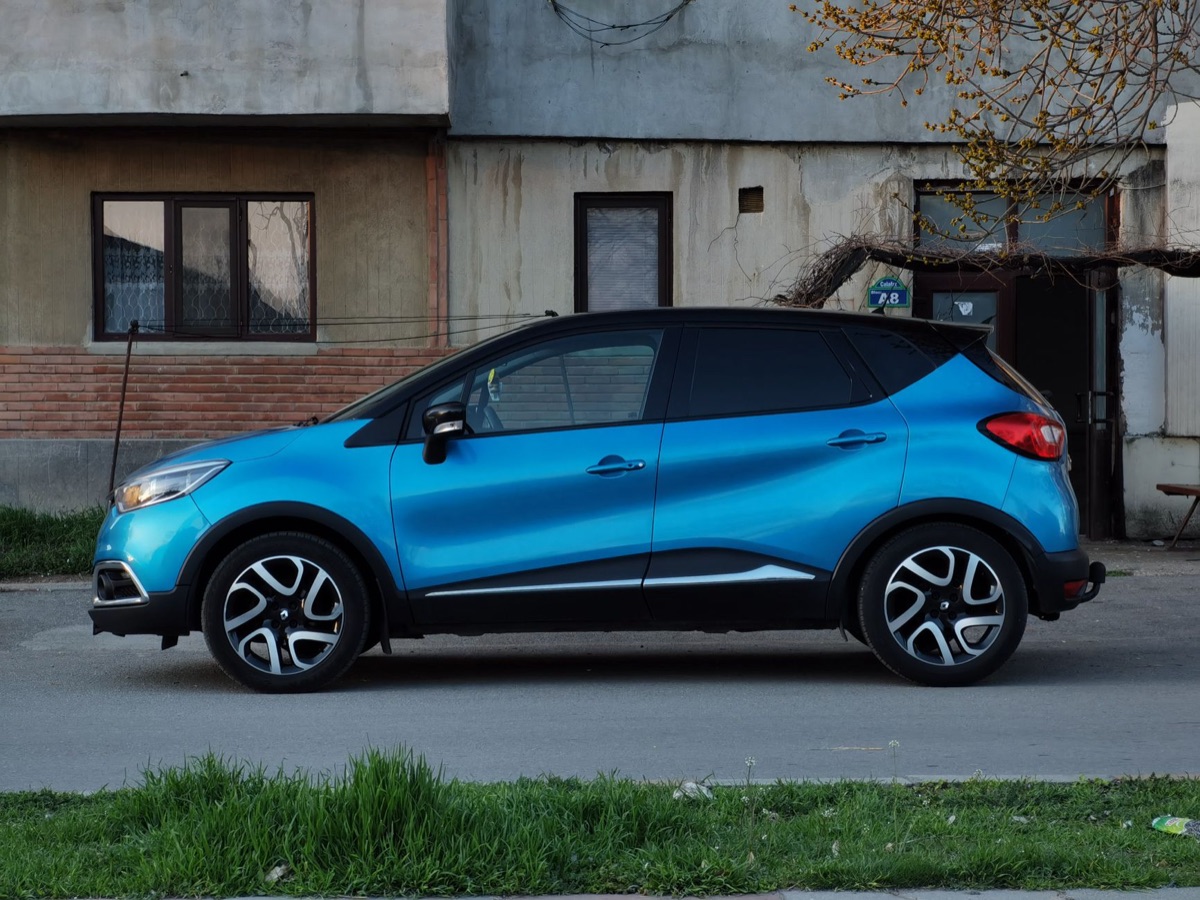
Compared to rivals like the Dacia Spring or various domestic micro-EVs, the MG Go offers a more polished, "global" aesthetic that masks its budget-friendly origins.
| Feature | MG Go Strategy | Traditional Budget Competitor |
|---|---|---|
| Tech Integration | High (Smartphone-centric) | Low (Basic radio/connectivity) |
| Safety Focus | Standardized ADAS | Often optional or minimal |
| Design Language | Modern/Minimalist | Utilitarian/Basic |
| Price Strategy | Value-added (Tech-heavy) | Pure low-cost |
Is this just a temporary market shift?
A heavy-duty truck rolls through a shipping port at midnight, a silent reminder of how deeply integrated global logistics have become with Chinese industrial might.
The movements of capital and ownership in the automotive sector are often invisible to the end consumer, but they dictate the cars on the road.
According to the World Bank, the world recorded GDP growth of 2.9% in 2025. The global automotive landscape is being reshaped by strategic alliances and heavy investment flows. We see this in how Chinese entities embed themselves in global manufacturing through complex ownership structures.
For instance, Geely Auto controls 50% of Lynk & Co, while Volvo Cars held 30%, and ZGH held the remaining 20%. Such movements show how Chinese capital can own and influence premium global brands. In May 2017, ZGH purchased a 51% controlling-stake in Lotus Cars from its owner, DRB-HICOM.
In late July 2020, it was announced that the Xingma Group had agreed to transfer a 15.2% stake of its shares in the Ma'anshan-based heavy truck manufacturer Hualing Xingma to Geely New Energy Commercial Vehicle Group.
These aren't just car purchases; they are the acquisition of engineering DNA and global distribution networks. On 26 July 2023, Volkswagen announced its investment of $700 million in Chinese electric vehicle manufacturer XPeng for purchasing a 4.99% stake of the company.
This demonstrates that even the giants recognize that the future of EV technology is being forged in the East. As these brands scale, they move from niche successes to mainstream global contenders. But what does this mean for the individual buyer?
What should a buyer actually look for?
A new owner sits in their driveway on a Sunday morning, looking at the sleek lines of their new vehicle and calculating how much they saved compared to a traditional combustion engine car. The math is simple, but the implications for their monthly budget are significant.
When considering a vehicle like the MG Go, the Total Cost of Ownership (TCO) is the most critical metric. The initial purchase price is often much lower than a comparable gasoline vehicle, but the real savings come from the reduction in maintenance and fuel costs.
For an urban commuter, the low running costs make the vehicle an easy decision for the budget-conscious.
The trim level strategy is another key factor. Manufacturers often offer a single, well-equipped trim to avoid consumer confusion and maintain production efficiency.
This "all-in" approach ensures that even the base model feels like a modern vehicle, preventing the "cheap" feeling that often plagues entry-level models in the US and Europe.
Steps for evaluating an entry-level EV purchase:
- Analyze Daily Mileage: Ensure the vehicle's range covers your typical daily loop with a 30% buffer for weather or diversions.
- Evaluate Charging Infrastructure: Check if your residence or workplace has accessible charging points to maximize the TCO benefits.
- Compare Feature Sets: Don't just look at the price; look at the "tech-per-dollar" to see if the vehicle meets your digital needs.
- Assess Resing Potential: Research how the brand is performing in your specific region to estimate long-term value.
When I tried this myself on a test drive in a crowded metropolitan center, I noticed that the balance of tech and price was the deciding factor. The ownership experience is designed to be frictionless.
The goal is to provide a vehicle that feels like a reliable appliance—it works, it connects, and it stays out of the way of your life.
*Note on limitations: This analysis focuses on urban-centric EV models. The trade-offs of smaller battery capacities and minimalist interiors mean these vehicles are not intended for long-haul travelers or those requiring heavy cargo capacity.*
FAQ
Is the MG Go suitable for long-distance highway driving? The MG Go is primarily designed as an urban commuter. While it can handle highway speeds, its range and comfort levels are optimized for city environments and shorter trips rather than cross-country travel.
How do Chinese brands ensure quality control? They leverage massive vertical integration, controlling much of the component manufacturing process to ensure consistency across different models and markets.
Can I charge the MG Go at a standard home outlet? Most entry-level EVs like the MG Go support level 1 charging (standard wall outlet), though level 2 charging is recommended for faster overnight replenishment.



Comments 0