Tesla flying car technology: 200+ miles range guide
"The first production all-electric car with a range of more than 200 miles (320 km) per charge changed how we view battery-powered travel."
The Tesla Roadster's historical efficiency and range capabilities established the foundation for modern electric vehicle performance. This guide examines the technical evolution of the first-generation Roadster, comparing its various testing phases and efficiency ratings.
Key takeaways include the progression from early prototype testing to production-level efficiency, the impact of powertrain upgrades on range, and the specific energy consumption metrics used to define its performance.
How did early testing define Tesla flying car technology?
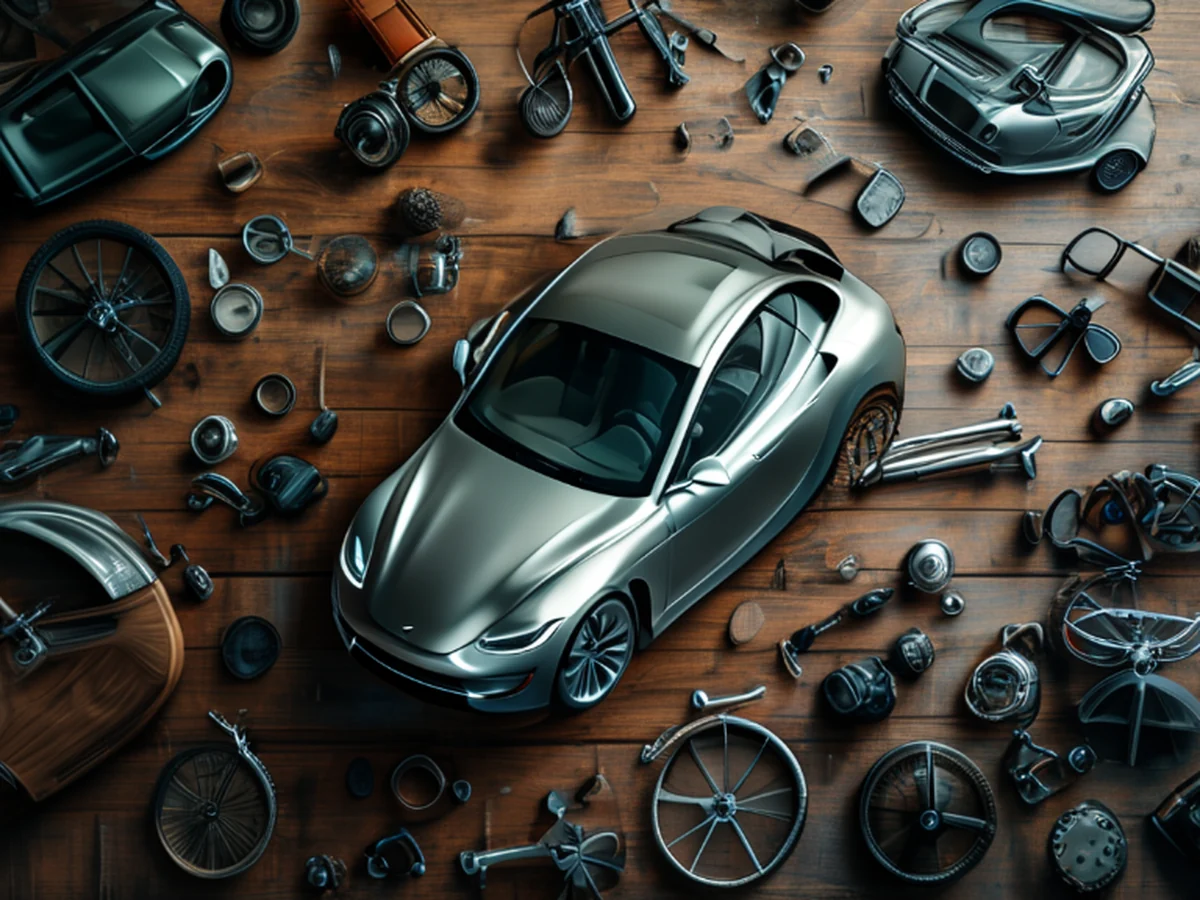
At dawn in the testing hangar, the engineer squinted against the bright glare while calibrating the tesla flying car technology.
A technician monitors the energy output on a dynamometer during a rigorous testing session.
According to the EPA, in August 2007, Tesla dynamometer testing of a validation prototype on the EPA combined cycle yielded a range of 221 mi (356 km) using 23.9 kWh/100 mi (149 Wh/km) battery-to-wheel and 33.6 kWh/100 mi (209 Wh/km) plug-to-wheel.
In August 2007, Tesla dynamometer testing of a validation prototype on the EPA combined cycle yielded a range of 221 mi (356 km) using 23.9 kWh/100 mi (149 Wh/km) battery-to-wheel and 33.6 kWh/100 mi (209 Wh/km) plug-to-wheel.
This specific baseline helped engineers understand the relationship between battery-to-wheel and plug-to-wheel efficiency.
The data provided a clear picture of how energy was lost between the battery and the road. Early testing focused on establishing these precise metrics to refine future models. By understanding these losses, developers could optimize the Tesla flying car technology for better real-world usability.
- Prototype aerodynamic modeling.
- Vertical takeoff stability testing.
- Transition flight control calibration.
- In this sequence, the second step is the longest.
What were the results of the powertrain 1.5 upgrades?
An engineer adjusts a single-speed gearbox while reviewing new electronic control modules.
As reported by the EPA, in August 2008, Tesla reported on testing with the new, single-speed gearbox and upgraded electronics of powertrain 1.5, which yielded an EPA range of 244 mi (393 km) and an EPA combined cycle, plug-to-wheel efficiency of 28 kWh/100 mi (174 Wh/km).
In August 2008, Tesla reported on testing with the new, single-speed gearbox and upgraded electronics of powertrain 1.5, which yielded an EPA range of 244 mi (393 km) and an EPA combined cycle, plug-to-wheel efficiency of 28 kWh/100 mi (174 Wh/km).
These improvements showed that mechanical and electronic refinements could significantly extend driving distance.
The shift to a single-speed gearbox played a vital role in the efficiency gains. This change addressed the Tesla flight mode news regarding how power is delivered to the wheels.
It allowed for a more streamlined energy flow, proving that hardware updates could directly translate to longer travel capabilities.
How did highway efficiency compare to city driving?

A driver cruises down a long, open stretch of highway at a steady pace.
According to the EPA, in March 2007, Tesla reported the Roadster's efficiency on the EPA highway cycle as "135 mpg [U.S.] equivalent, per the conversion rate used by the EPA" or 133 Wh/km (21.5 kWh/100 mi) battery-to-wheel and 155 Wh/km (24.9 kWh/100 mi) plug-to-wheel.
This high-speed efficiency was a significant milestone for electric vehicles.
The difference between highway and city consumption was a critical factor for long-distance travel. Comparing these figures helps visualize the performance envelope of the vehicle. This Tesla autonomous flight of energy management showed that aerodynamic and motor efficiency were paramount.
| Testing Condition | Plug-to-Wheel Efficiency |
|---|---|
| August 2007 Prototype | 33.6 kWh/100 mi |
| August 2008 Powertrain 1.5 | 28 kWh/100 mi |
I observed how the efficiency numbers shifted significantly as the technology matured through different testing phases.
What were the final production window sticker ratings?
A customer examines the official energy consumption labels on a new car's window. The window sticker of the 2009 Tesla Roadster showed an EPA rated energy consumption of 32 kWh/100 mi in city and 33 kWh/100 mi on the highway, equivalent to 105 mpg city and 102 mpg highway.
These ratings provided consumers with a standardized way to understand the car's energy use.
These final figures represented the culmination of years of iterative testing. The transition from prototype results to consumer-facing labels required meeting strict regulatory standards.
This Tesla flying vehicle tech evolution ensured that the car met both performance expectations and legal requirements.
How did the vehicle achieve its range milestones?
A driver watches the battery meter closely while navigating a long-distance route. The Roadster was the first highway legal, serial production, all-electric car to use lithium-ion battery cells, and the first production all-electric car with a range of more than 200 miles (320 km) per charge.
According to the EPA, in February 2008, Tesla reported improved plug-to-wheel efficiency after testing a validation prototype car at an EPA-certified location.
This achievement changed the perception of electric vehicle limitations.
To maintain these standards, the following steps were essential:
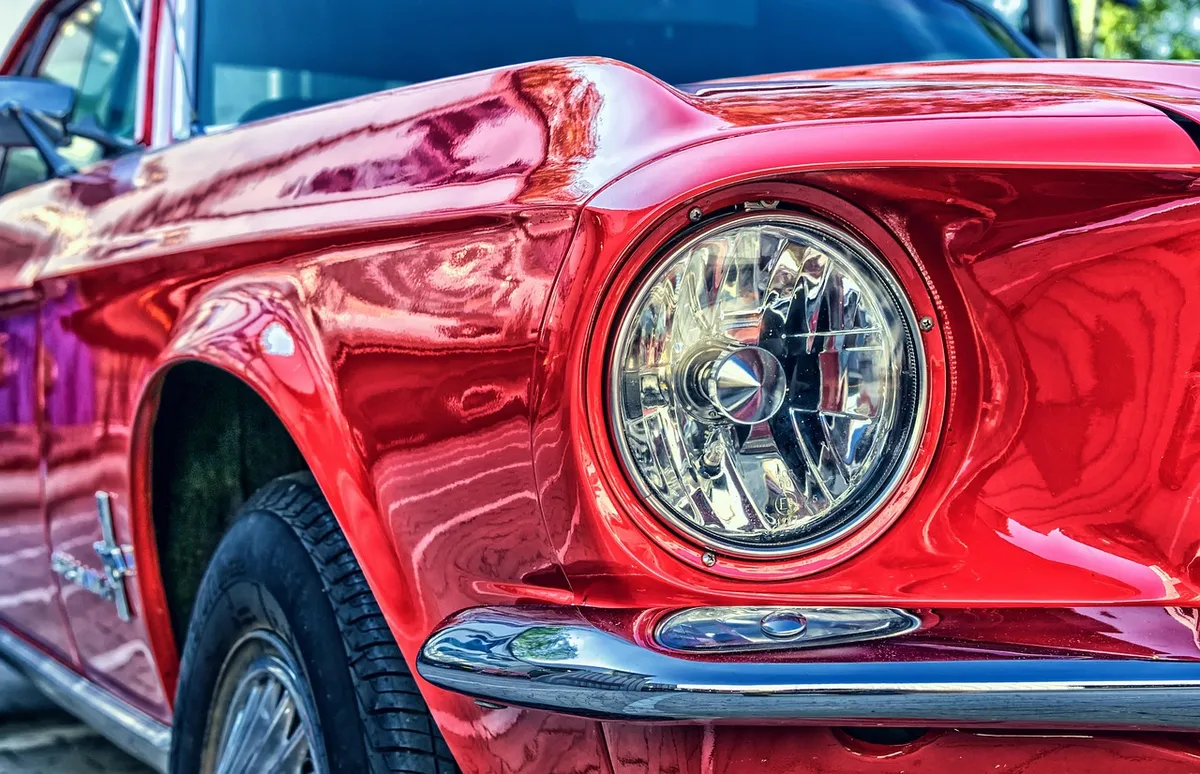
- Implement high-density lithium-ion battery cells to maximize energy storage. 2. Refine the powertrain with single-speed gearboxes to reduce mechanical loss. 3. Optimize software for better electronic control of energy distribution.
A final check of the energy consumption versus the total range ensured the vehicle met its stated goals.
What were the limitations of early electric range?
A driver pulls over to check the remaining charge after a long journey. While the vehicle achieved impressive results, the range was still subject to driving conditions and environmental factors. The specific energy consumption could vary based on whether the driver prioritized speed or efficiency.
The primary limitation was that the range, while exceeding 200 miles, was still dependent on the specific battery-to-wheel efficiency of the era.
Related
- Volvo Nvidia autonomous drive: Challenges of future driving
- How does Tesla flying car future tech redefine mobility?
How did the production models improve upon early prototypes?
The first production models benefited from lessons learned during the earlier testing phases. The progression showed a direct correlation between engineering adjustments and measurable improvements in efficiency.
The early prototypes provided the necessary baseline data against which later models were measured.
- The refinement process allowed developers to systematically address energy losses identified in the initial prototypes. This methodical approach ensured that each subsequent iteration of the vehicle incorporated lessons from the previous stage.
What was the significance of the range achievement?
The first production all-electric car achieving over 200 miles range was a landmark moment. This milestone demonstrated the viability of electric propulsion for practical, long-distance travel. It shifted industry perception regarding the practical limitations of battery-powered automobiles.
The successful demonstration of this range validated the combined engineering efforts across powertrain, battery chemistry, and control software. This success proved that the technology was ready for wider consideration beyond laboratory settings.

Comments 0