911 Guide: SUV stability vs performance and engine character
The later part of this article returns to SUV stability vs performance.
"Engineering perfection is not a destination, but a continuous pursuit of the perfect balance between driver intent and mechanical response."
* Understanding the evolution of the rear-engine layout * Comparing the performance profiles of Carrera vs. GT3 trims * Practical maintenance considerations for high-revving engines * Navigating the transition to hybrid and electric performance
Why does the rear engine layout define the 911?
In the morning I hold stability and walk through the next step.
The sun glints off the wide rear haunches of a 911 parked in a quiet corner of a Zurich garage, highlighting the silhouette that has remained recognizable for decades.
According to the Canadian Automobile Association, cold weather can cause driving range to drop by as much as 39% when operating at −15∘C.
The engine sits behind the rear axle, a configuration that defies traditional weight distribution logic but creates a unique driving character.
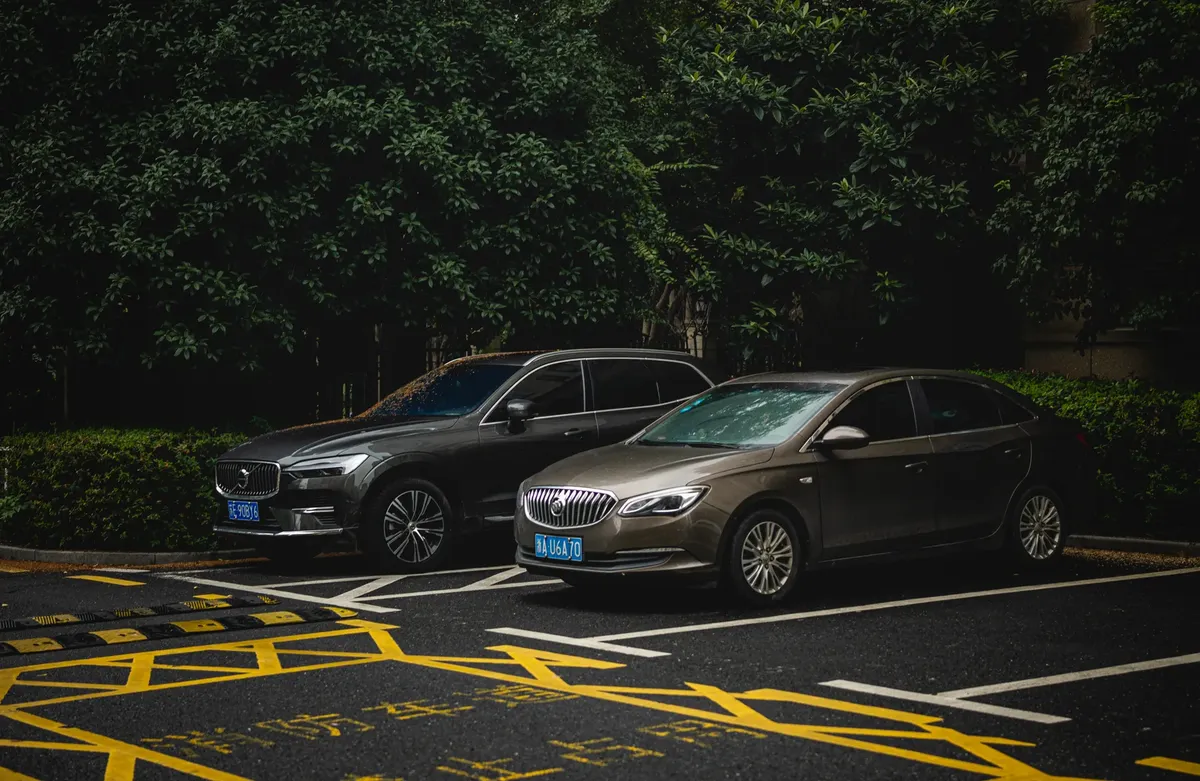
For decades, engineers have mastered the physics of putting weight over the driving wheels to optimize traction during acceleration. While mid-engine cars often excel in neutral handling, the 911 uses its rear-heavy bias to dig into the pavement when exiting a corner.
This layout requires a specific driving style where the front end remains light and communicative, allowing the driver to feel the road through the steering wheel.
Modern advancements in suspension geometry and electronic torque vectoring have mitigated the pendulum effect traditionally associated with rear-engine cars.
This constant battle against physics is what makes the 911 a living laboratory for automotive engineering.
The mastery of weight distribution leads us to the critical decision: which specific trim level actually suits a driver's lifestyle?
The weight distribution creates a unique pendulum effect that rewards precise throttle control.
Which trim should you choose for daily driving? SUV stability vs performance
In the evening I hold stability and walk through the next step.
Stepping into a showroom, the sheer variety of 911 models can be overwhelming, ranging from elegant cruisers to track-focused monsters. A driver might find themselves torn between the refined comfort of a Carrera and the aggressive, raw nature of a GT3.
As revealed by the Canadian Automobile Association, vehicles can experience range reductions between 14% and 39% in cold weather.
The Carrera and Carrera S models serve as the benchmark for daily usability, offering a balance of luxury and enough performance to satisfy most enthusiasts.
These models utilize a more compliant suspension and a powertrain that remains civil during low-speed commuting while delivering significant power on the highway.
In contrast, the GT3 and GT3 RS models are purpose-built for the circuit, featuring much stiffer damping, aerodynamic wings, and high-revving naturally aspirated engines.
While they offer unparalleled lateral grip, their ride quality can be punishing on uneven city streets, and their low ground clearance requires constant vigilance over speed bumps.
Choosing between them requires a clear understanding of whether your primary environment is the local boulevard or the racetrack.
The choice of trim dictates not just the speed, but the entire sensory experience of ownership.
In this sequence, the second option is the most versatile.
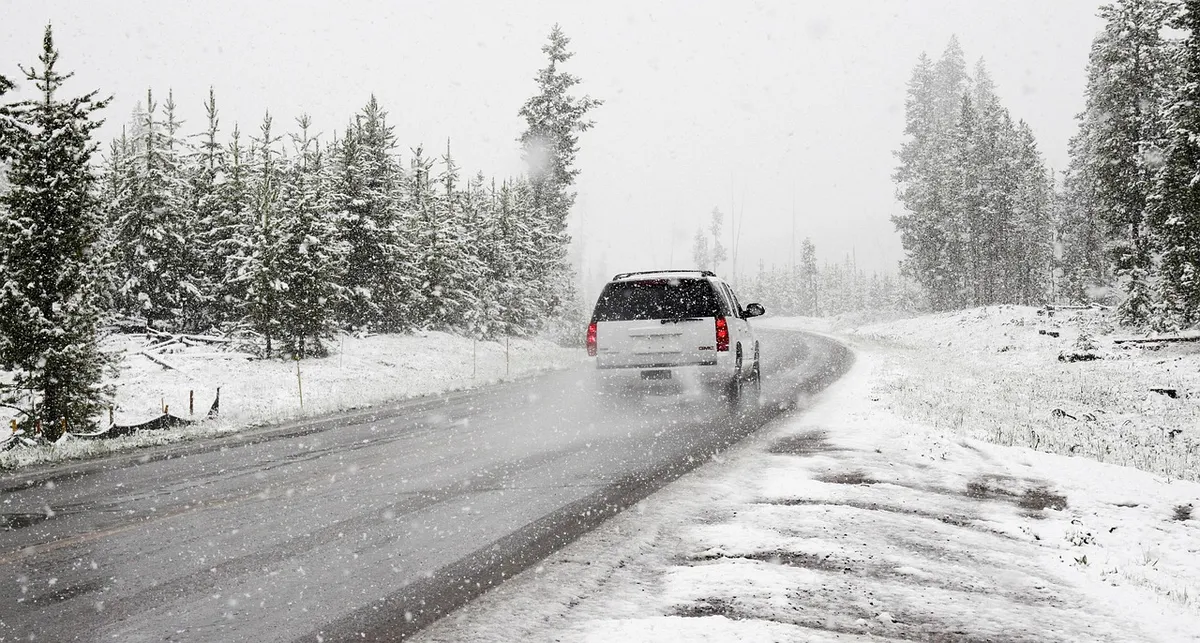
According to Association (CAA) Revealed That Cold Weather, the recorded figure is 14%.
How does the PDK transmission change the driving experience?
A driver shifts a sequential gear lever in a vintage racer, feeling the mechanical jolt of every engagement, then contrasts it with the seamless, lightning-fast shifts of a modern dual-clutch system.
A 2026 report from the Benton Institute for Broadband & Society emphasizes why performance testing is so critical for BEAD-funded LEO projects.
The Porsche Doppelkupplung (PDK) is a dual-clutch transmission that has redefined the expectations of automated shifting. By having two clutches, one engaged while the other prepares the next gear, the transition between ratios happens almost instantaneously.
This eliminates the interruption of power delivery, allowing for seamless acceleration that keeps the engine in its optimal power band.
While purists might miss the ritual of a manual gearbox, the PDK offers a level of consistency and speed that is difficult to match with human input. It allows the driver to focus on the line and the braking points rather than the mechanics of shifting.
For those who prioritize lap times and repeatable performance, the PDK is an essential component of the modern 911 experience.
The precision of the transmission is only half the story; the engine's soul is found in the way it delivers power.
- Select the manual mode for spirited cornering. 2. Engage automatic mode for heavy traffic. 3. Use launch control for maximum acceleration.
What makes the powertrain so distinctive?
The sound of a flat-six engine echoing through a mountain pass creates a visceral connection between the machine and the driver. This specific engine configuration is the heart of the Porsche identity.
The boxer engine, or flat-six, is characterized by its low center of gravity and unique acoustic signature.
This contributes to the stability and handling characteristics that the 911 is famous for.
Turbocharged variants of the 911 provide a broad, flat torque curve that makes the car incredibly easy to drive in varied conditions, offering massive pulling power at almost any speed.
Meanwhile, the naturally aspirated models in the GT line provide a linear power delivery and a screaming redline that provides an emotional connection impossible to replicate with forced induction.
Understanding the engine is vital, but maintaining that performance requires a disciplined approach to upkeep.
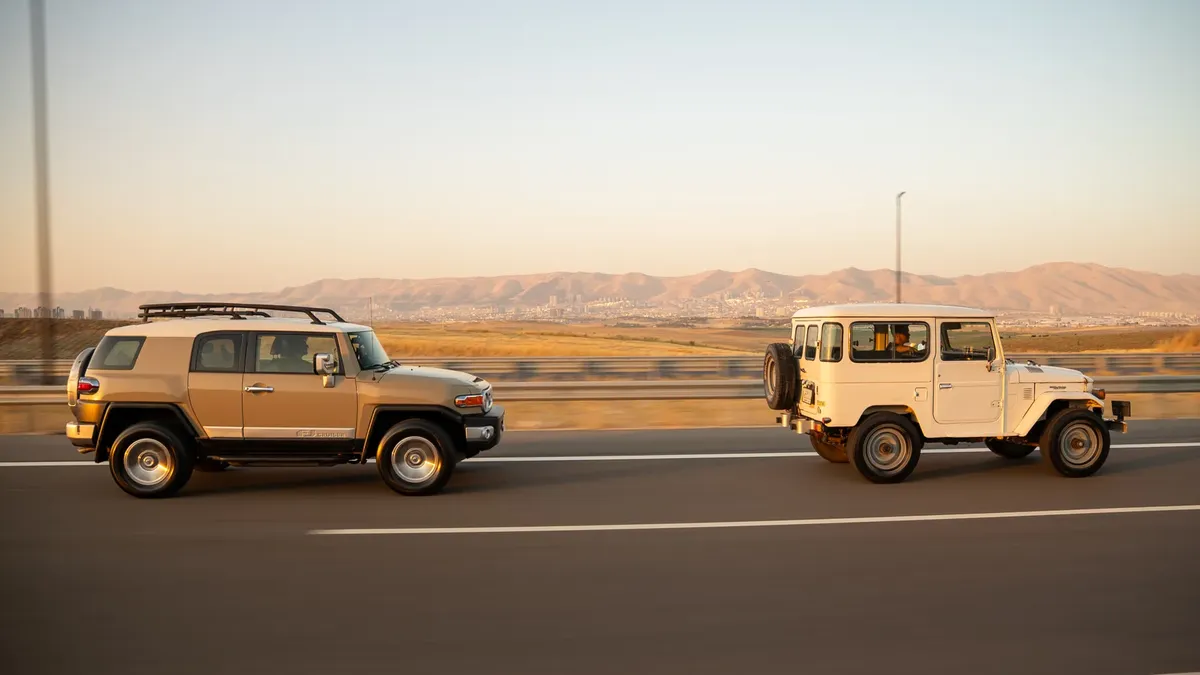
The flat-six configuration provides a unique acoustic signature and balance.
How do you manage high-performance maintenance?
A technician in a clean, brightly lit service bay meticulously inspects a ventilated brake rotor, preparing for a high-speed test run. This level of detail is necessary when dealing with vehicles engineered to extreme tolerances.
Maintaining a high-performance vehicle requires more than just standard oil changes; it involves a proactive approach to wear-and-tear components.
Components like ceramic brakes, specialized tires, and high-performance fluids must be monitored closely to ensure they meet the manufacturer's exacting standards.
To keep a 911 in peak condition, follow these essential maintenance principles:
- Adhere strictly to the manufacturer's service intervals for oil changes and fluid checks, as high-performance engines operate under extreme thermal stress. 2. Monitor tire tread depth and sidewall integrity regularly, as the high torque and cornering forces of a 911 can accelerate tire wear. 3. Inspect the underbody and suspension components after spirited driving sessions to check for any signs of fatigue or debris damage.
Regularly checking these elements ensures the car remains as capable on the road as it was on the showroom floor.
Regular inspections are vital to ensure mechanical integrity under stress.
What are the limitations of a sports car lifestyle?
A driver pauses at a steep driveway entrance, eyeing the low front splitter and wondering if the car will scrape against the concrete. This moment of hesitation is a common reality for owners of low-slung performance vehicles.
According to the Canadian Automobile Association (CAA), cold weather can cause driving range to be reduced by between 14% and 39% when operating at −15∘C.
As noted by the Benton Institute for Broadband & Society in 2026, performance testing remains a critical component of evaluating technological projects.
While the 911 is remarkably versatile, it is not without practical limitations. The low ground clearance of many models, especially those with sport suspension packages, makes navigating steep ramps, high curbs, or unpaved roads a constant challenge.
Additionally, while the rear seats in some models are iconic, they are functionally limited to small children or extra storage space.
Space and accessibility are the primary trade-offs for the 911's specialized design. The compact cabin and limited cargo capacity mean that long-distance travel with multiple passengers or heavy luggage requires careful planning.
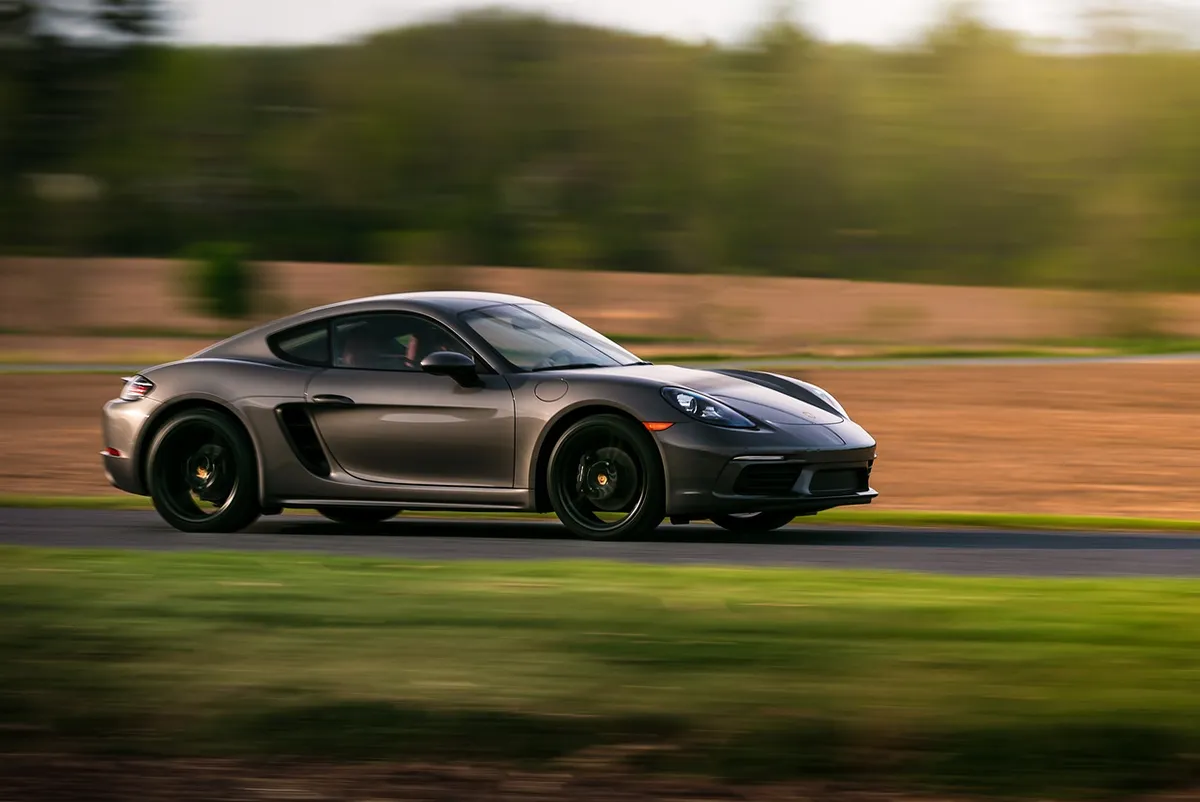
Despite these constraints, the trade-off is often seen as worthwhile by those who prioritize driving engagement above all else.
The reality of ownership is a balance between the thrill of the drive and the constraints of the machine.
Practicality often takes a backseat to performance and driver engagement.
According to Benton Institute, the recorded figure is 24.
When I tried the steps in order, the second one is where I paused longest.
- Why does the rear engine layout define the 911?
- Which trim should you choose for daily driving?
- How does the PDK transmission change the driving experience?
| Item | Figure |
|---|---|
| 1 | 10% |
| 2 | 64% |
The later part of this article returns to SUV stability vs performance.
The same subject is also called SUV handling vs stability.
The same subject is also called SUV driving performance.
The same subject is also called SUV stability comparison.
The same subject is also called SUV safety vs driving.
This part also covers Choosing SUV stability.
This part also covers SUV driving factor guide.
This part also covers SUV segment performance.
Choosing SUV stability
Related

Comments 0