What drove the Norway BEV PHEV ratio changes?
"The Norwegian plug-in car segment market share has been world's highest for several years."
The Norway EV market share 2024 data reveals a landscape dominated by battery electric vehicles. This analysis explores how the BEV and PHEV ratio shifted to reach these levels and what the electric car segment Norway trends imply for global adoption.
* Combined EV share reached 93.9% in January 2024. * Full electrics (BEVs) accounted for 92.1% of the market. * Plug-in hybrids (PHEVs) held a 1.8% share.
How did the Norway EV market share 2024 look?
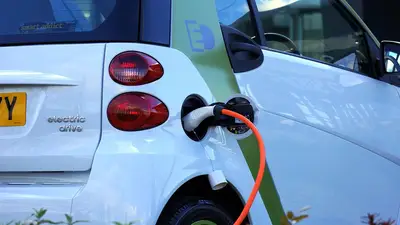
In the bright morning light of Oslo, a driver pulled into the station and felt the silent hum of the motor as they drove.
A driver pulls into a charging station in Oslo, where the silent hum of electric motors replaces the roar of traditional engines. In January 2024, the combined EV share reached 93.9%. This figure was composed of 92.1% full electrics (BEVs) and 1.8% plug-in hybrids (PHEVs).
The transition shows a massive shift toward pure battery power. While the market was once more balanced, the current BEV PHEV penetration Norway data shows a heavy lean toward battery electric models. This trend reflects the successful maturity of the charging infrastructure and consumer trust.
What drove the Norway BEV PHEV ratio changes?
A technician inspects a charging port, noting the seamless integration of technology into daily life. The market share for plug-in cars has grown steadily over the years, reaching 29.1% in 2016 and climbing to 88.9% in 2024.
This growth demonstrates how the electric car segment Norway experienced over a decade of policy and technological shifts.
Early years saw a more diverse mix of plug-in technologies. For instance, the plug-in hybrid market share rose to 5.2%, up from just over 1% in 2014. As the technology matured, the market moved toward higher-range battery electric vehicles.
How did the electric car segment Norway grow so fast?
An owner parks their vehicle, enjoying the absence of engine noise in a quiet residential street. The growth was supported by significant financial incentives and regulatory frameworks.
According to the Norwegian Electric Vehicle Association, if the country wants to reach the ambitious climate goals set by the Parliament, the next goal is to have 400,000 battery electric vehicles by 2020.
For example, all-electric cars and vans were exempt from non-recurring vehicle fees and 25% VAT, making them competitive with conventional cars.
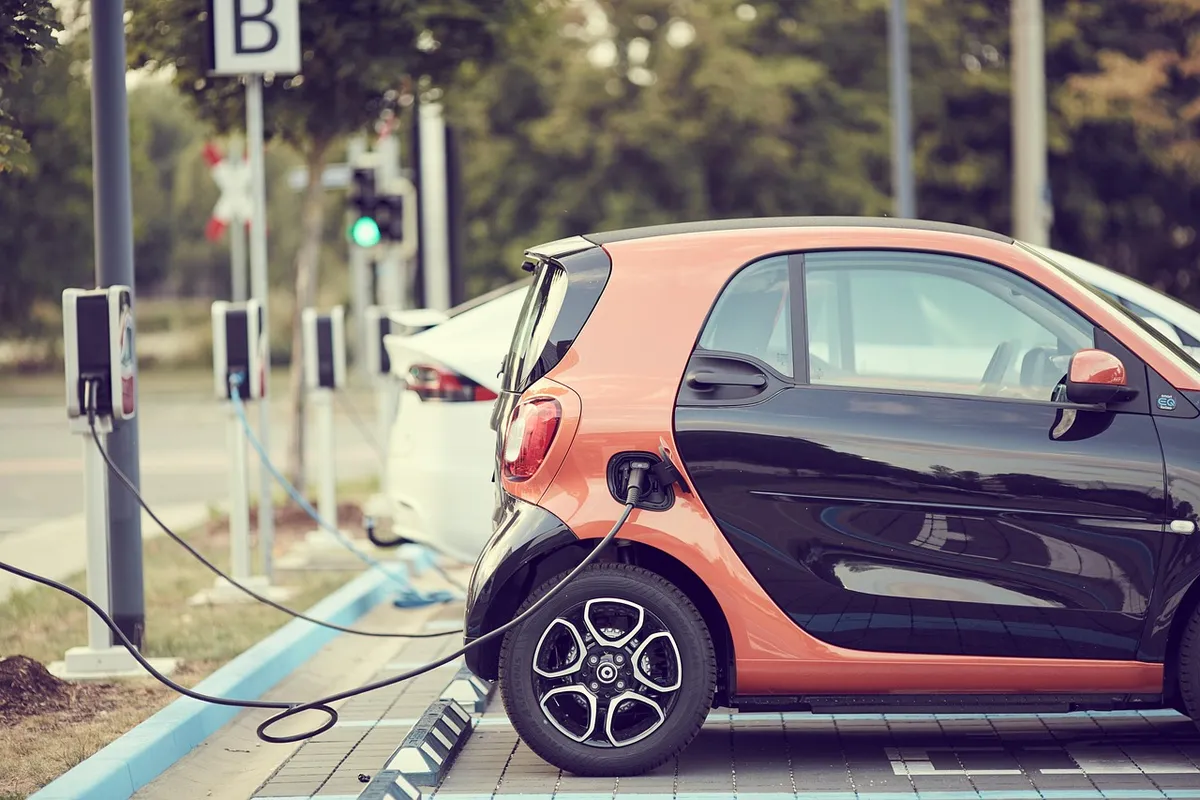
These incentives helped reach major milestones. In December 2016, the milestone of 100,000 light-duty battery electric vehicles was achieved. This represented about 10% of all pure electric cars sold worldwide at that time.
What were the key drivers for BEV PHEV penetration Norway?
A policymaker reviews documents regarding tax exemptions and emissions targets. The legislative environment played a crucial role in shaping the current landscape.
In September 2013, the Norwegian Parliament approved an exemption from the 25% VAT for leasing electric vehicles, effective from 1 January 2014.
The shift toward BEVs was also a response to climate goals. In 2017, Norway achieved its climate target for average fleet CO2 emissions for new passenger cars three years earlier than pledged. This was due to the fast-growing adoption of electric vehicles.
How does the current market compare to historical trends?
A researcher compares old registration data with a modern digital dashboard. The market has undergone a massive transformation from early hybrid models to pure electric dominance. In 2016, five in every 100 passenger cars on the road were plug-in, but by September 2022, that figure reached 25%.
According to a survey conducted by Association (Norsk Elbilforening), 1,858 respondents representing over 15% of all electric car owners in Norway participated in the June 2013 study.
The following table compares specific market share milestones for the plug-in segment:
| Year | Plug-in Market Share |
|---|---|
| 2016 | 29.1% |
| 2019 | 55.9% |
The growth shows how the electric vehicle market analysis evolves as technology improves.
What are the limitations of this market analysis?
A researcher looks at a map of the country, noting the vast distances between urban centers. While the market share is high, the data is subject to specific regional conditions and timing.
The current analysis is limited to the specific market shares and ownership statistics provided for the period ending in 2024.
What was the BEV share in January 2024? In January 2024, the share of combined EV was 93.9%, with 92.1% being full electrics (BEVs) and 1.8% being plug-in hybrids (PHEVs).
How did the plug-in market share change over time? The Norwegian plug-in car segment market share reached 29.1% in 2016 and rose to 88.9% in 2024.
The analysis of the Norway EV market share 2024 highlights a transition toward nearly total battery electric dominance.
How did the financial incentives affect adoption? 1. The exemption from non-recurring vehicle fees helped make all-electric cars competitive with traditional vehicles. 2. Furthermore, the 25% VAT exemption on all-electric cars and vans aided in market penetration. 3. This combination of benefits supported the rapid growth seen in the Norwegian plug-in car segment.
What was the role of policy in the transition? 1. The Norwegian Parliament's approval of VAT exemption for leasing electric vehicles in September 2013 was a critical step. 2. This policy change, effective in 2014, aligned with the broader national climate objectives. 3. The success in meeting CO2 emission targets in 2017 demonstrates the effectiveness of these regulatory frameworks.
What was the comparison between the early and late stages of adoption? 1. In 2016, the plug-in market share stood at 29.1%, indicating an earlier stage of acceptance. 2. By contrast, the 2024 data shows the combined EV share reached 93.9%, indicating advanced market maturity. 3. This comparison illustrates the dramatic shift in consumer behavior supported by sustained policy presence.
The same subject is also called Plug-in hybrid Norway share.
This part also covers BEV vs PHEV sales data.
How did the Norwegian plug-in car segment evolve?
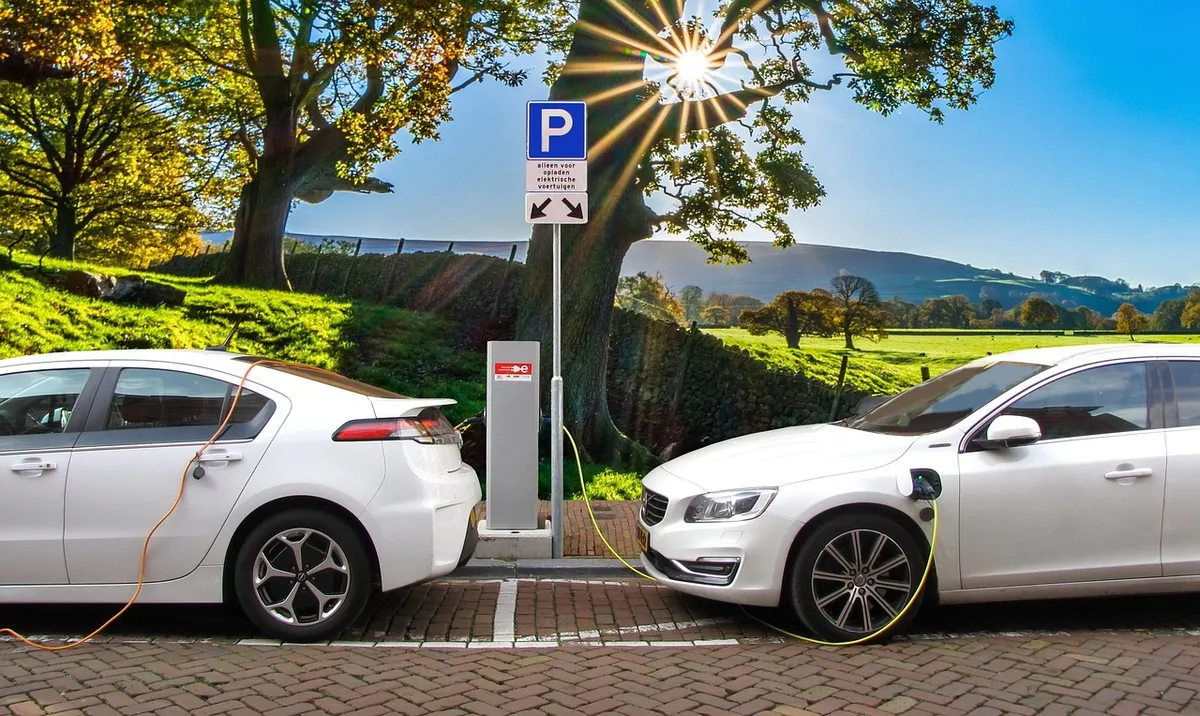
A driver observes the quiet efficiency of modern motoring, reflecting the journey of the Norwegian plug-in car segment. The market share for these vehicles showed a steady climb over several years, moving from a smaller presence to market leadership. This sustained growth was a direct result of combined policy support and technological advancement.
The initial adoption phase differed greatly from the current phase. Early on, the segment was experiencing a gradual introduction of electric mobility options. By the time the market reached maturity, the adoption rate reflected a deep cultural shift toward zero-emission transport solutions.
The comparison between the early and late stages clearly illustrates this evolution. The initial market penetration paved the way for the high penetration seen recently, demonstrating a successful, managed transition aided by governmental action.
Related






Comments 0