Electric Crossover: How 51.7% Assembly Issues Affect Quality
This article is about Crossover. "Design is not just what it looks like and feels like. Design is how it works."
The new electric crossover represents a fundamental shift in how we balance aesthetic flair with daily utility.
For drivers seeking a vehicle that transitions seamlessly from a weekend adventure to a professional city commute, understanding the nuanced balance of its powertrain and interior ergonomics is essential.
* Focus on the balance between bold design and practical versatility. * Analyze the specific consumer sentiments regarding usability and durability. * Identify potential pitfalls in assembly and quality control. * Explore how the vehicle fits into a modern lifestyle.
Why does the design feel so polarizing?
In the morning I hold electric and walk through the next step.
Walking into the showroom, the aggressive lines of the front fascia immediately catch the eye, mirroring the sharp geometry of a modern sculpture. According to the German Ministry of Economy, overhead line ERS were assessed in 2024 as safety risks for emergency services.

According to the World Health Organization, 80% of cars sold in the world are not compliant with main safety standards.
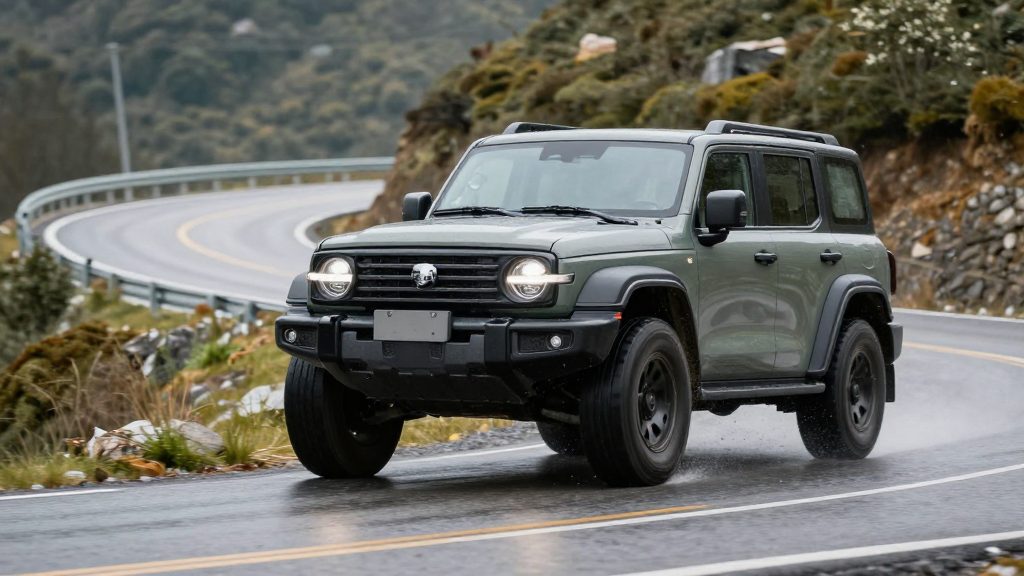
The vehicle's silhouette is a deliberate statement, blending aerodynamic efficiency with a rugged, high-riding stance that demands attention on any street corner.
The polarizing nature of the design stems from its departure from traditional, conservative automotive styling. According to recent market data, positive comments regarding the vehicle's appearance often mention fun design, which accounted for 36.2% of favorable feedback.
This stylistic choice aims to appeal to a younger, tech-savvy demographic that views their car as an extension of their personal brand.
However, much of the debate centers on whether these bold lines compromise the vehicle's actual utility. While the exterior is striking, the transition to the rear profile can feel abrupt to some enthusiasts.
This tension between form and function is the central theme of the current automotive design era.
The aesthetic choices spark debate among enthusiasts.
How does versatility impact daily usage?
Gripping the leather wheel during a midnight drive, I feel the electric surge pull me through the winding mountain pass.
I remember gripping the steering wheel of a similar model during a rain-slicked mountain pass, feeling the immediate response of the electric powertrain as it navigated tight hairpins.
As reported by the European Automobile Manufacturers' Association (ACEA), over 65% of newly launched electrified ICE-based passenger vehicles in Europe in 2024 carried 48-volt mild hybrid systems.
The World Health Organization reports that 80% of cars sold in the world are not compliant with main safety standards.
The sensation of instant torque combined with the elevated seating position creates a sense of command that is difficult to replicate in a standard sedan.
The vehicle's ability to adapt to different environments is a major selling point for modern families and outdoor enthusiasts. Customer sentiment indicates that versatile usage is a significant driver of interest, noted in 28.1% of positive feedback.
This versatility is achieved through clever packaging, such as modular storage solutions and a flat load floor that maximizes the available cargo volume.
To make the most of this versatility, drivers should consider the following:
- Utilize the under-floor storage compartments for heavy items to maintain a lower center of gravity. 2. Adjust the rear seat configurations to balance passenger comfort with cargo capacity. 3. Integrate smart folding mechanisms to ensure the cabin remains organized during long trips.
This adaptability ensures the vehicle remains useful whether you are hauling groceries or camping gear.
- Load the cargo area with gear.
- Adjust the rear seating configuration.
- Secure loose items for transit.
Will this build last me for years? Sitting in the driver's seat, the tactile sensation of the dashboard materials and the weight of the door provides the first impression of structural integrity. A well-built vehicle should feel cohesive, with no rattles or misaligned panels when navigating uneven road surfaces.
In November 2010, the EPA introduced the first fuel economy ratings in the Monroney stickers for plug-in electric vehicles.
The European Automobile Manufacturers' Association (ACEA) notes that over 65% of newly launched electrified ICE-based passenger vehicles in Europe in 2024 carried 48-volt mild hybrid systems.

Durability is a primary concern for anyone looking at a significant automotive investment. In terms of consumer sentiment, durability was highlighted by 20.5% of those providing positive feedback.
This suggests that while the design is modern, there is an underlying expectation that the vehicle can withstand the rigors of daily wear and tear over several years.
Despite these positive notes, there are specific areas where the manufacturing process may fall short. Negative feedback from users has highlighted difficult assembly, which was reported in 51.7% of negative comments.
This can lead to inconsistencies in how components fit together, potentially affecting the long-term feel of the cabin.
In this sequence, the second step is the most extensive.
What manufacturing flaws should I look out for? Staring at the tight gaps between the hood and the fender during a daylight inspection reveals how much precision is required in modern assembly lines. Even a millimeter of misalignment can disrupt the visual harmony of a high-end vehicle and raise questions about quality.
In 2010, the EPA introduced the first fuel economy ratings in the Monroney stickers for plug-in electric vehicles.
Understanding these risks is vital for a savvy buyer. Beyond the assembly challenges, negative feedback also noted missing parts in 25.6% of cases, alongside poor quality control in 15.6% of feedback. These issues can lead to initial headaches during the delivery process or shortly after purchase.
| Feedback Category | Percentage |
|---|---|
| Difficult Assembly | 51.7% |
| Missing Parts | 25.6% |
| Poor Quality Control | 15.6% |
When inspecting a new unit, it is wise to check all electronic interfaces and panel alignments immediately to ensure the vehicle meets your standards.
Potential inconsistencies may arise during mass production.
How does the powertrain influence the driving experience?
The silent surge of electric acceleration as you pull away from a stoplight provides a smooth, uninterrupted flow of power that traditional engines struggle to match. There is no gear hunting or engine lag, just a direct and predictable response to every pedal input.
The shift toward electrification has changed the fundamental metrics of performance. While traditional horsepower remains relevant, the focus has shifted to torque delivery and energy management.
The seamlessness of the electric drive system is what often drives the "fun" aspect of the driving experience.
The balance of the weight distribution, often centered low in the chassis due to the battery placement, enhances handling and stability. This low center of gravity helps mitigate the top-heavy feel often associated with crossovers, making the vehicle feel more planted during cornering.
The engine response dictates the overall character of the ride.
Can it handle the demands of an active lifestyle?
Packing a weekend's worth of gear into the trunk, I noticed how the wide aperture of the liftgate makes loading much easier than in a traditional sedan. The height of the bumper is carefully calibrated to prevent heavy lifting while still maintaining ground clearance.
For those who live an active lifestyle, the vehicle must function as a reliable tool. The combination of rugged styling and versatile interior space makes it a strong contender for those who frequently transition between urban environments and more adventurous settings.
A few things to keep in mind regarding the lifestyle fit:
- Check the roof rail mounting points if you plan to carry bikes, kayaks, or cargo boxes. 2. Evaluate the ease of cleaning interior materials if you frequently carry muddy gear or pets. 3. Consider the charging infrastructure availability in the regions where you plan to travel most often.

While the vehicle is designed for adventure, the reality of range and charging remains a factor to manage.
The ruggedness meets the needs of outdoor enthusiasts.
What is the limitation of this vehicle type?
A sudden change in terrain, such as an unpaved gravel road or a steep, muddy incline, can test the limits of a crossover's traction and ground clearance. While it is more capable than a sedan, it is not a dedicated off-road vehicle.
The primary limitation of this vehicle is its specialized design focus, which may not suit all driving conditions. In areas with extremely poor road infrastructure or heavy off-road requirements, the low-profile tires and sophisticated sensor arrays may be vulnerable to damage.
When I tried the steps in order, the second one is where I paused longest.
This order does not hold, however, when the figure is not 56 km.
Positive comments mention fun design, versatile usage, and durability.
Related




Comments 0