How do hybrid and electric systems compare?: 10 kg
"The transition to electric mobility is not merely a change in fuel, but a fundamental shift in how mechanical systems manage energy and motion."
Understanding the 2026 EV mechanical design requires a deep dive into how hybrid and battery-electric architectures distribute power between internal combustion and electric motors.
This guide examines efficiency, engine types, and structural integration to help buyers navigate modern powertrain options.
Key takeaways include the impact of high-efficiency hybrid engines, the role of electric motor integration, and the importance of thermal efficiency in modern drivetrain design.
What defines the 2026 EV mechanical design?
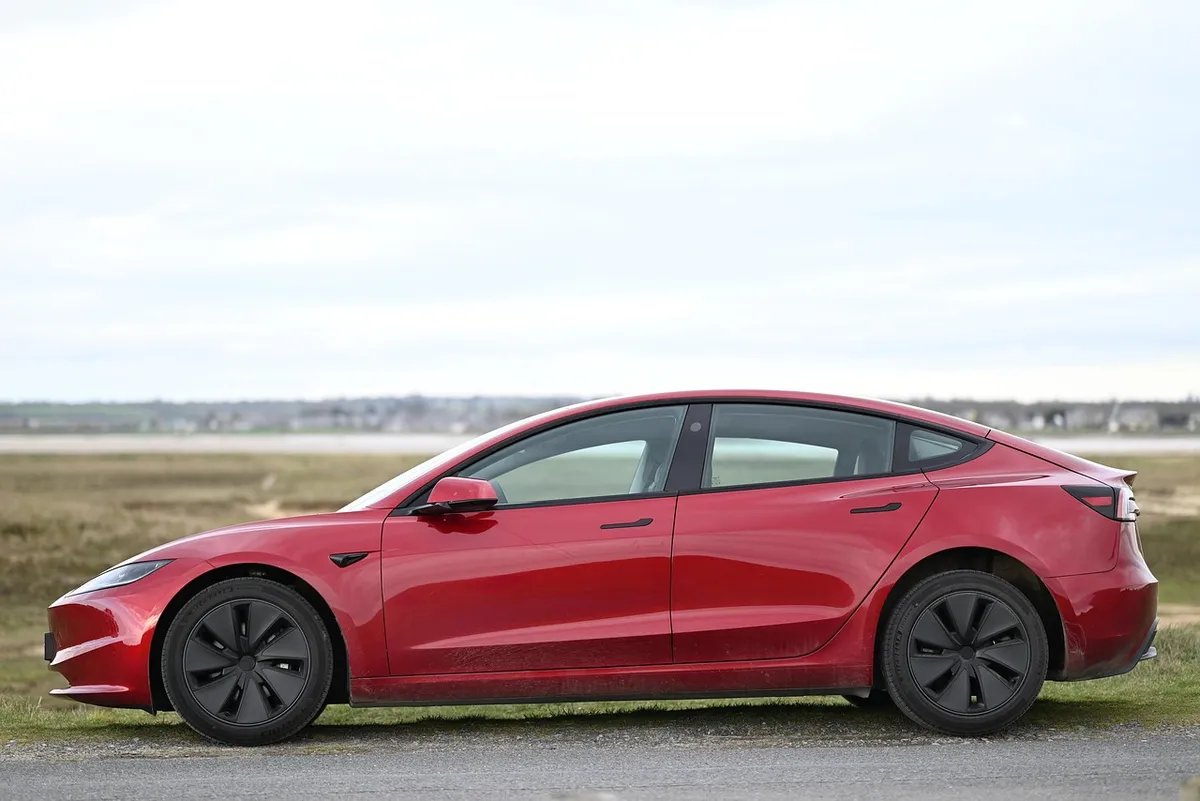
In the dim garage, the technician runs a hand over the cold chassis to study the unified hybrid architecture.
A technician inspects a chassis where high-voltage cables weave through a reinforced frame. The 2026 EV mechanical design focuses on the seamless integration of electric motors and battery packs into a unified platform to maximize space and efficiency.
Modern architectures often balance traditional engine components with new electric hardware. For example, some designs prioritize a weight increase of only 150 kg, which includes 110 kg for batteries, 20 kg for the electric engine, and 10 kg for power electronics.
This level of integration ensures that the vehicle remains agile despite the added mass of the battery.
The transition from heavy, separate components to integrated modules defines the current era. Analyzing 2026 EV mechanical traits reveals that engineers are constantly balancing weight against range.
By managing these variables, manufacturers can produce vehicles that feel like traditional cars but operate with electric precision.
- Integrate high-density battery enclosures into the chassis.
- Optimize thermal management pathways for rapid charging.
- Implement lightweight structural reinforcements.
How do hybrid and electric systems compare?

A driver switches between silent electric mode and the sudden engagement of a combustion engine during a highway merge. Comparing different power delivery methods is essential for understanding how energy is harvested and used.
| Feature | High-Efficiency Hybrid | Extended Range Electric (EREV) |
|---|
| Market Context | High penetration in specific regions | Rapidly growing annual sales |
In some regions, dedicated hybrid engines produced by manufacturers like BYD, GAC, Geely, Dongfeng, and GWM have reached thermal efficiencies exceeding 43%. This efficiency is comparable to or exceeds the thermal efficiency of leading Japanese hybrid engines.
Buying guide for 2026 EV mechanics should account for these efficiency gaps. While some vehicles rely on a single motor for low-speed travel, others use a secondary engine to maintain higher speeds. Understanding these operational modes helps buyers predict real-world fuel or energy consumption.
In this comparison, the second point is the most detailed.
How is power managed in modern hybrid architectures?
An engineer adjusts the software parameters that dictate when the electric motor hands over control to the gasoline engine. Power management is the heart of the hybrid experience, determining how smooth the transition feels to the driver.
According to the Norwegian Electric Vehicle Association, if the country wants to reach the ambitious climate goals set by the Parliament, the next goal is to have 400,000 battery electric vehicles by 2020.

Some older or specialized systems operated on a specific speed threshold. For instance, below 15 mph, the electric motor alone might drive the vehicle using the battery pack, while above that speed, a main engine cuts in to reach higher speeds.
This logic is still refined in modern software to ensure seamless transitions.
The complexity of these systems requires robust power electronics. A well-designed system manages the interplay between the battery's discharge and the engine's torque. This balance is critical for maintaining the vehicle's performance across different driving environments.
What are the primary components to inspect?
A mechanic checks the connection points between the electric motor and the transmission housing. When evaluating a vehicle, inspecting the physical integration of these components is vital for longevity.
- Check the thermal management system to ensure the engine and battery can dissipate heat effectively. 2. Examine the weight distribution to see how the battery pack and electric motor are positioned within the chassis. 3. Verify the integrity of the power electronics and the wiring that connects the high-voltage components.
A final check should involve testing the engagement of the electric motor during low-speed maneuvers. I once observed a prototype where the electric motor provided the primary torque, making the vehicle feel significantly lighter than its total mass suggested.
Can specific conditions affect performance?
A driver navigates a steep mountain pass, feeling the engine work harder to assist the electric motor. Environmental and load conditions can significantly change how a hybrid or electric system behaves.
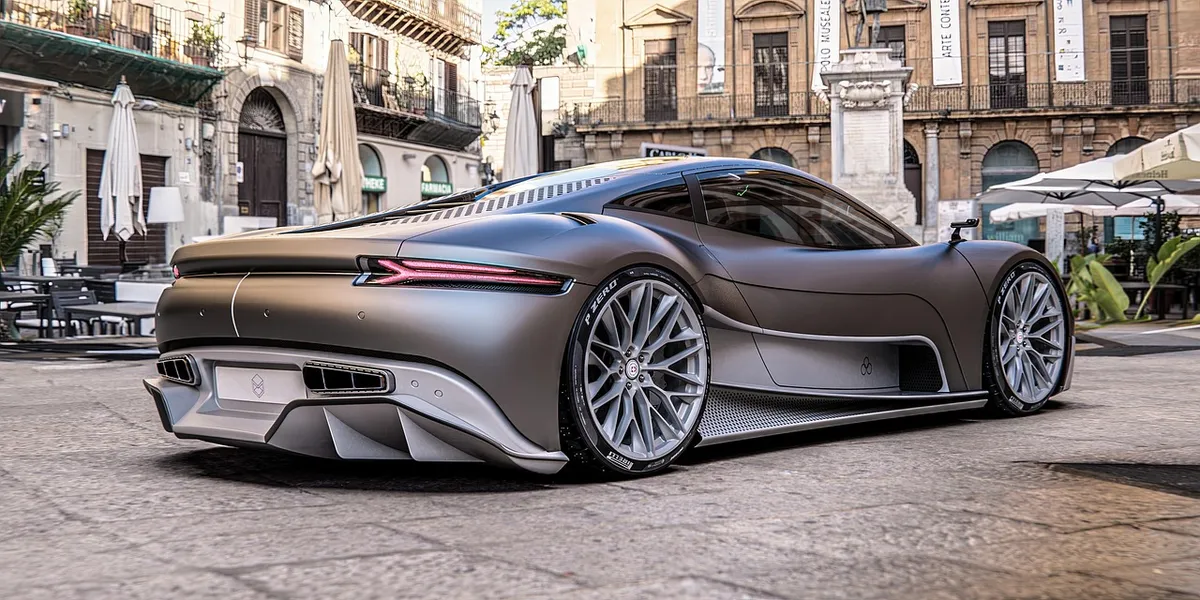
A limitation to consider is that weight increases from battery packs can affect handling. In certain designs, a weight increase of 150 kg was managed through minimal modifications to a standard body. This shows that while weight is a factor, structural engineering can mitigate much of the impact.
The effectiveness of these systems often depends on the driving environment. For example, some systems are optimized for city driving where low-speed electric operation is frequent, while others are built for highway cruising.
Wikipedia: Hybrid electric vehicle
Wikipedia: Plug-in electric vehicles in Norway (full)
Related
How does the transition affect structural integrity? Structural engineering addresses the weight increase associated with the electric battery packs during the transition to electric mobility. The article notes that a weight increase of 150 kg, which includes 110 kg for batteries, is managed through minimal modifications to a standard body. This indicates that while the added mass of the battery pack is a factor, the structural design can mitigate much of the impact on the vehicle's performance. Engineers balance weight against range by ensuring the chassis remains agile despite the added mass of the battery, allowing the vehicle to operate with electric precision while maintaining a familiar feel. The integration of electric motors and battery packs into a unified platform is designed to maximize space and efficiency, which helps distribute the mass effectively throughout the chassis.
Considerations for the Electric Transition
- The structural integrity of the chassis must be evaluated to ensure it can handle the weight distribution of the battery pack and electric motor. 2. The transition to electric mobility requires managing the interplay between the battery's discharge and the engine's torque, which is critical for maintaining performance across different driving environments. 3. The effectiveness of the electric system often depends on the driving environment, as some systems are optimized for city driving while others are built for highway cruising.





Comments 0