EV vs Gas Car Cost: 15% Fuel Use Comparison
"The shift toward electrification is no longer a futuristic concept but a present-day reality affecting global markets."
Choosing between an electric vehicle and an internal combustion engine vehicle requires a careful look at energy efficiency and long-term maintenance. This guide compares the cost-saving potential of EVs against traditional fuel costs and maintenance needs to help you make an informed purchase.
Key takeaways include understanding energy conversion efficiency, evaluating maintenance savings, and recognizing how charging infrastructure impacts daily use.
How does energy efficiency affect long-term fuel costs?

A driver pulls into a station, watching the fuel pump tick upward while an electric car glides silently past. The difference in how energy moves from the source to the wheels defines the operational cost of each vehicle type.
According to a survey conducted by Association (Norsk Elbilforening), 1,858 respondents representing over 15% of all electric car owners in Norway participated in the study.
Internal combustion engines face inherent energy loss. Petrol engines effectively use only 15% of the fuel's energy to move the vehicle or to power accessories, while diesel engines can reach an on-board efficiency of 20%.
In contrast, electric vehicles convert over 77% of the electrical energy to the wheels. This massive gap in conversion efficiency means that for every unit of energy purchased, the electric vehicle provides significantly more movement.
The substantial difference in how energy is converted highlights the fundamental operational disparity between the two types of vehicles.
The efficiency gap makes the cost per mile a central factor in ownership. While fuel prices fluctuate, the ability to extract high utility from electricity provides a more predictable expense. This efficiency is a primary driver behind the global surge in adoption.
The high degree of utility derived from electricity allows owners to anticipate their expenses more reliably than those relying on volatile liquid fuel markets.
What are the maintenance advantages of an electric vehicle? EV vs Gas Car Cost
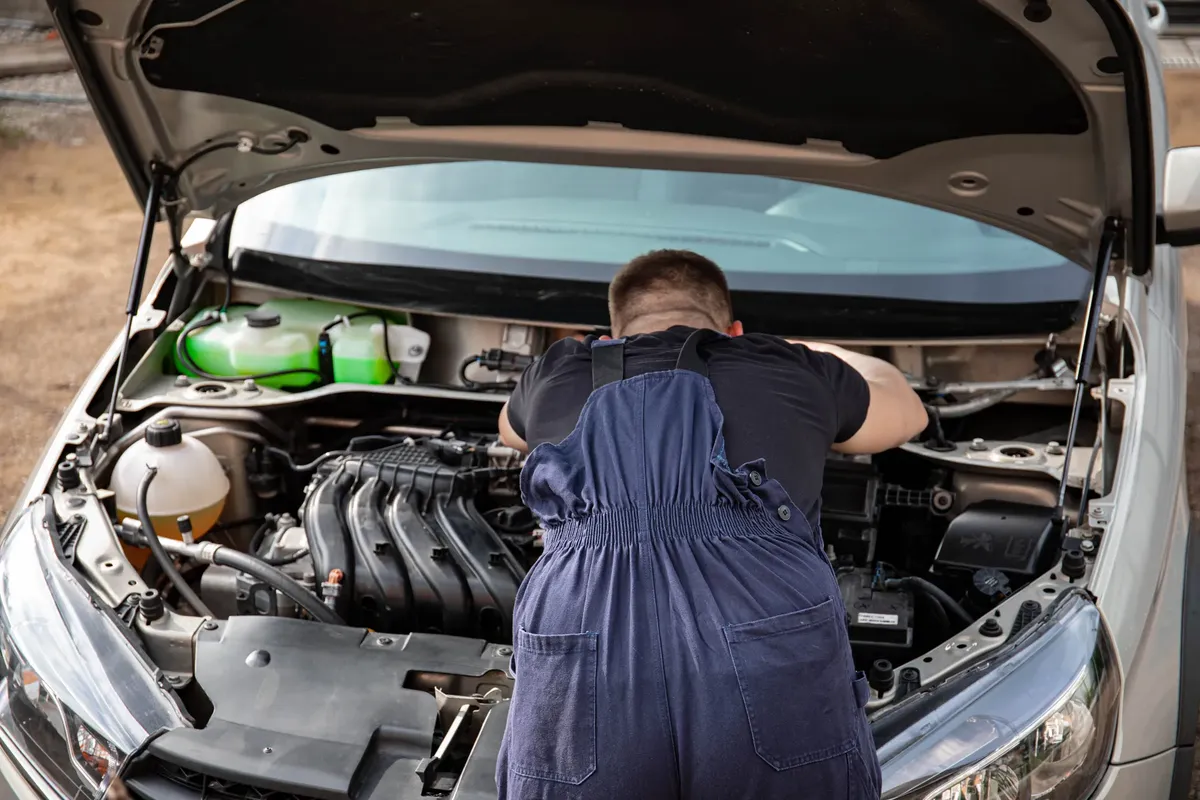
A mechanic opens a hood to find a significantly less complex engine bay compared to a traditional vehicle. The mechanical simplicity of an electric drivetrain changes the frequency and type of service required.
EV drivers save approximately 50% on maintenance and repair costs, attributable to the simpler mechanical structure and fewer moving parts than ICE vehicles.
Because electric motors lack the complex systems of pistons, valves, and exhaust components, there are fewer components that can fail over time. The absence of numerous moving parts inherently reduces the likelihood of mechanical breakdowns that plague traditional engines.
This structural simplicity translates directly into reduced labor and part replacement costs for the owner.
Reliability is often bolstered by manufacturer protections. Industry standard warranties cover batteries for 8 years or 100,000 miles, guaranteeing minimum capacity retention, typically at 70%.
This coverage helps mitigate the risk of high-cost battery replacements during the initial years of ownership. The guarantee of minimum capacity retention ensures that the battery maintains a functional level of power throughout the warranty period.
How does charging speed influence daily driving?
A driver plugs a cable into a car at a roadside station, checking the time remaining on the display. Charging time is a critical variable that dictates how much an electric vehicle fits into a traditional lifestyle.
The time spent at a station depends heavily on the hardware used. Connecting a vehicle that can accommodate very fast charging to a charging station with a very high rate of charge can refill the vehicle's battery to 80% in 15 to 20 minutes.
Using slower charging speeds, however, may take as long as two hours to refill a battery to 80%. The choice of charging speed directly impacts the amount of time a driver must dedicate to refilling the battery.
Managing these time requirements is essential for planning trips. Drivers must balance the convenience of fast charging against the potential for slower, more affordable home or overnight charging.
The need to balance these time factors means that trip planning must account for the specific charging capabilities of the vehicle and the available infrastructure.
Can I manage the transition to an electric vehicle?
A homeowner stands in a garage, looking at a newly installed wall-mounted charger. Moving from a petrol engine to an electric motor requires a shift in how energy is managed at home and on the road.
According to the Norwegian Electric Vehicle Association, if the country wants to reach the ambitious climate goals set by the Parliament, the next goal is to have 400,000 battery electric vehicles by 2020.
- Evaluate your daily mileage to determine if home charging or public fast charging will be your primary method. 2. Check the compatibility of your local charging infrastructure with the charging speeds your vehicle can accept. 3. Review the specific battery warranty of your chosen model to ensure long-term protection against capacity loss.
The evaluation of daily mileage is a necessary step to determine the most suitable charging strategy for the driver. Checking the compatibility of the local charging infrastructure ensures that the chosen vehicle can effectively utilize the available charging speeds.
Reviewing the specific battery warranty provides the necessary assurance regarding the long-term health of the battery system.
I once spent an afternoon comparing the fuel economy of my old sedan to the projected energy costs of a new electric model, and the efficiency difference was striking. A final check of your monthly budget against these energy and maintenance variables will clarify the total cost of ownership.
| Feature | Internal Combustion Engine (Petrol) | Electric Vehicle (EV) |
|---|---|---|
| Energy Efficiency | 15% | Over 77% |
| Maintenance Savings | Baseline | Approximately 50% |

According to Mitsubishi Alliance, As of December 2021, the Renault–Nissan–Mitsubishi Alliance was listed as one of major all-electric vehicle manufacturers, with global all-electric vehicle sales totaling over 1 million light-duty electric vehicles
- How does energy efficiency affect long-term fuel costs?
- What are the maintenance advantages of an electric vehicle?
- How does charging speed influence daily driving?
The subject here is EV vs Gas Car Cost.
The same subject is also called Electric car running costs.
The same subject is also called Gas car running costs.
The same subject is also called Vehicle expense comparison.
The same subject is also called EV vs ICE cost.
This part also covers Total cost of ownership EV.
This part also covers Fuel vs electricity cost analysis.
This part also covers Long term car expense guide.
Total cost of ownership EV
Related







Comments 0