EV interior space guide: 250 models available for sale
"The transition to electric mobility reshapes how we perceive the space between four wheels and a chassis."
Understanding electric car interior space requires looking beyond simple dimensions to how battery placement and platform design influence passenger comfort.
This guide examines how diverse vehicle types manage cabin volume, the evolution of available models, and the logistical differences between passenger cars and mass transit.
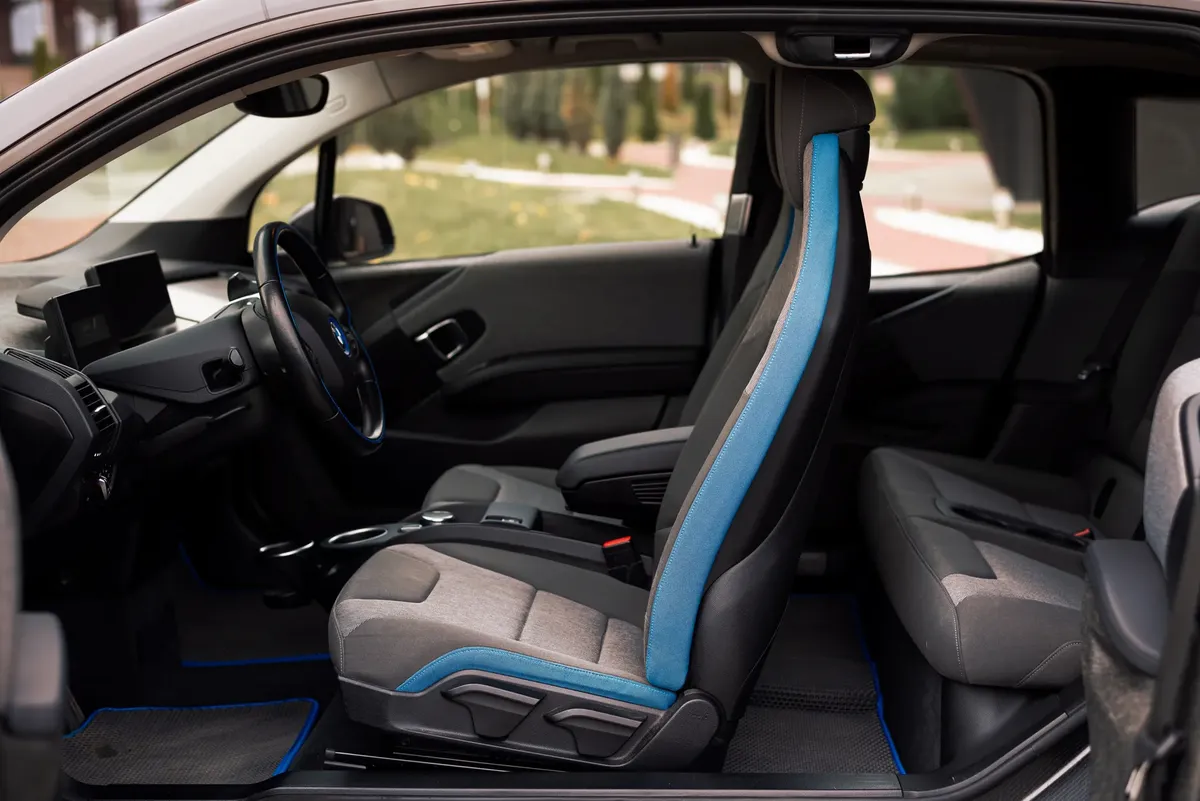
Key takeaways include the rapid expansion of model availability, the distinction between single and double-decker layouts, and the impact of large-scale fleet procurement on transit space.
How has the variety of electric car models changed?
As the morning sun hits the showroom floor, a buyer runs a hand over the leather while peering into a much larger variety of electric car interior layouts.
A driver walks through a showroom, looking at rows of sleek, silent vehicles with varying silhouettes. The sudden abundance of choices can make choosing electric car fit a daunting task for new buyers.
According to a survey conducted by Association (Norsk Elbilforening), 1,858 respondents representing over 15% of all electric car owners in Norway participated in the June 2013 study.
As the market grew, the variety of designs available to consumers expanded significantly.
According to the International Energy Agency, there were about 250 models of highway-capable plug-in electric passenger cars available for sale in the world as of December 2019, which was a significant increase from the 70 models available in 2014.
This growth means that an electric car cabin tour now reveals a much wider range of seating configurations and spatial layouts than in previous years.
What are the differences in transit vehicle layouts? EV interior space guide
A commuter stands at a stop, watching a single-decker bus pass by before a much larger vehicle arrives. Comparing different vehicle types is essential when evaluating how much room is actually available for passengers.
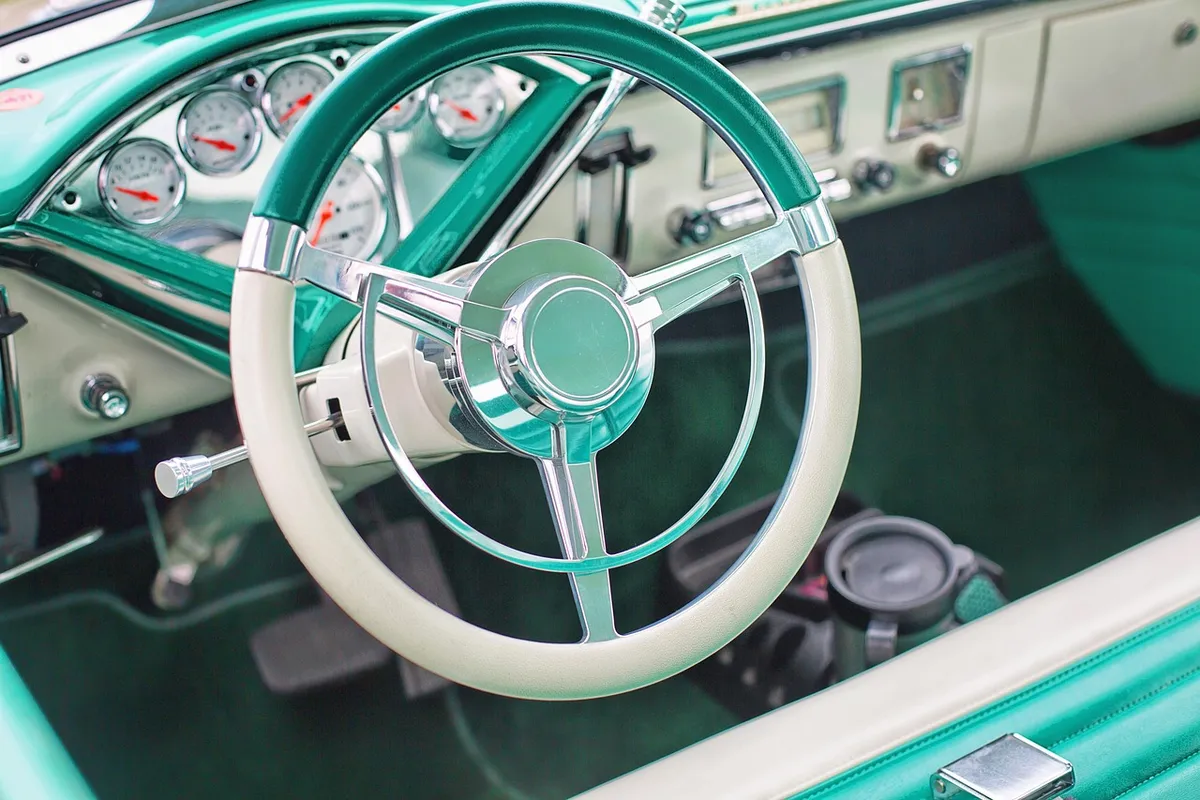
Large-scale transit procurement shows how different body styles serve different needs.
In 2018, the Land Transport Authority procured 60 fully electric buses, which included a mix of 20 BYD K9 buses, 20 ST Engineering-Linkker LM312 Electric Buses, 10 Yutong E12 single-decker buses, and 10 Yutong E12DD double-decker buses, for a total of $50.64 million.
This variety demonstrates that even within electric fleets, the choice between single-decker and double-decker models changes the fundamental approach to passenger density.
How do we compare EV interiors now?
An engineer reviews blueprints of a chassis, noting where the battery packs are housed compared to traditional engines. To compare EV interiors now, one must understand how the absence of a combustion engine alters the floor plan.
The physical space in an electric vehicle is often defined by the platform used to house the battery. While passenger cars focus on individual comfort, transit vehicles focus on high-capacity movement.
| Vehicle Type | Quantity (2018 Procurement) | Total Cost (2018) |
|---|---|---|
| Electric Buses (Mixed Models) | 60 | $50.64 million |
I looked at these different configurations to understand how much legroom is lost to battery housing.
What are the steps for finalizing vehicle selection?
A buyer sits in the driver's seat, adjusting the mirrors and testing the reach to the dashboard. They must follow a logical process to ensure the chosen model meets their specific spatial requirements.

To ensure a successful purchase, follow these steps: 1. Assess the primary use case, such as daily commuting versus high-capacity transit needs. 2. Verify the physical dimensions of the cabin to ensure adequate legroom and headroom. 3.
Check the specific model's battery placement to understand how it affects floor height. 4. Perform a final check to ensure all passenger requirements are met before signing.
How do large-scale fleet orders affect space?
A city official reviews a massive contract for hundreds of new vehicles destined for urban streets. Understanding these large shifts helps in visualizing the future of public space.
Mass transit procurement demonstrates the scale of modern electric transitions. On 25 November 2023, the Land Transport Authority procured 360 electric buses, consisting of 240 BYD BC12A04 and 120 Zhongtong N12 buses, for a total of $166.4 million.
These large-scale acquisitions represent a shift toward standardized but varied-sized electric transit solutions.
Is there a limit to how many vehicles can be managed?
A policymaker looks at a map of a country, calculating the infrastructure needed for a growing fleet. This planning is vital for reaching environmental targets.
The ability to manage a growing number of vehicles is a central part of national climate strategies.
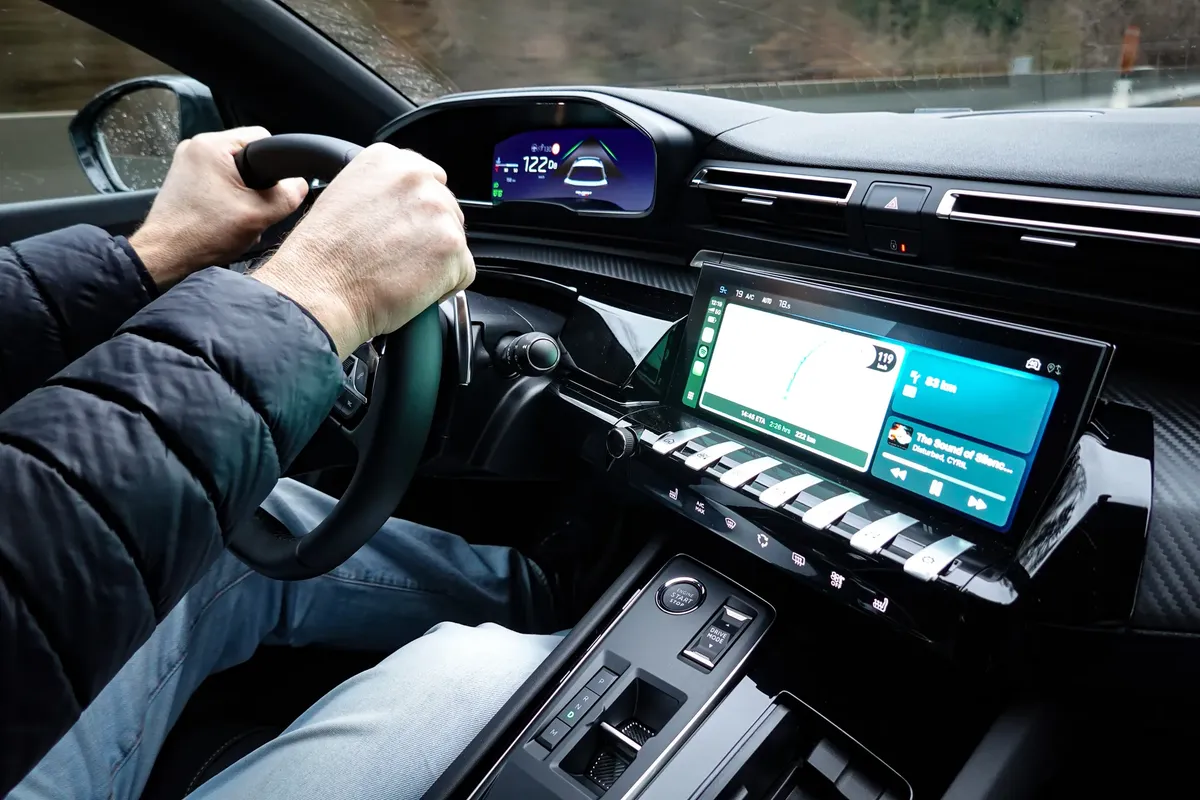
According to the Norwegian Electric Vehicle Association, if the country wants to reach the ambitious climate goals set by the Parliament, the next goal is to have 400,000 battery electric vehicles by 2020.
This scale of growth requires careful consideration of how much space each vehicle occupies in the public sphere.
- How has the variety of electric car models changed?
- What are the differences in transit vehicle layouts?
- How do we compare EV interiors now?
The subject here is EV interior space guide.
The same subject is also called EV interior comparison.
The same subject is also called modern EV cabin view.
This part also covers buying guide electric car.
This part also covers finalize vehicle selection.
Related
- EV driving performance evolution: 70 models vs 250 models
- EV segment choice guide: 60 buses procured for transit needs
How does battery placement affect cabin experience?
The location of the battery pack dictates much of the usable volume within the passenger compartment. In passenger cars, the battery placement must balance range needs with the requirement for individual passenger comfort.
For transit vehicles, the battery placement influences the overall floor height, which is a crucial factor when maximizing standing room for many riders.
This consideration is vital when comparing the two vehicle types. While a passenger car prioritizes a curated journey, a transit vehicle prioritizes efficient, high-density movement of many occupants.
The successful management of the electric transition hinges on how well the chassis accommodates both roles.
How does the chassis design support the electric transition?
The chassis design dictates how effectively the vehicle manages the shift toward electric operation. In passenger cars, the chassis must integrate the battery system while maintaining a high standard of individual comfort for occupants.
For transit vehicles, the chassis design must prioritize the efficient movement of a large number of people during the electric transition.
This structural difference influences passenger experience significantly. The chassis must accommodate the weight and dimensions of the battery pack differently depending on whether the vehicle is designed for personal use or mass transit.
Both applications rely on the platform to successfully manage the practical demands of the electric transition.
Comments 0