Essential Checklist for Winter Car Maintenance.
Key — Maintaining your car during the winter, especially checking the tires and battery, is essential for safe driving. Driving without proper preparation significantly increases the risk of accidents.
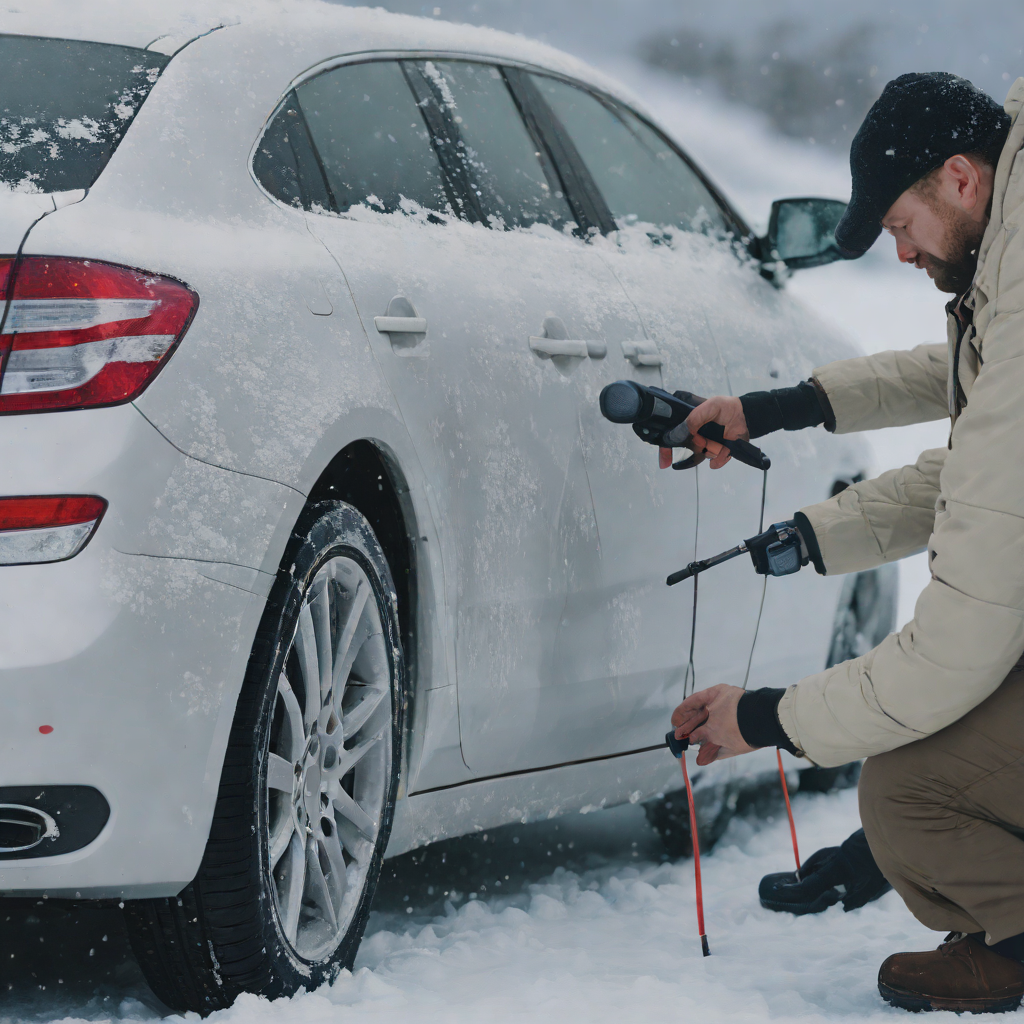
Maintaining your car in winter, especially checking the tires and battery, is essential for safe driving. Driving without proper preparation significantly increases the risk of accidents.
As winter arrives, temperatures plummet rapidly, and snow and ice cover the roads. To drive safely in these conditions, you must inspect various components beforehand. Thoroughly checking key parts such as tires, battery, coolant, windshield washer fluid, and heater will greatly help prevent accidents that can occur during winter driving.
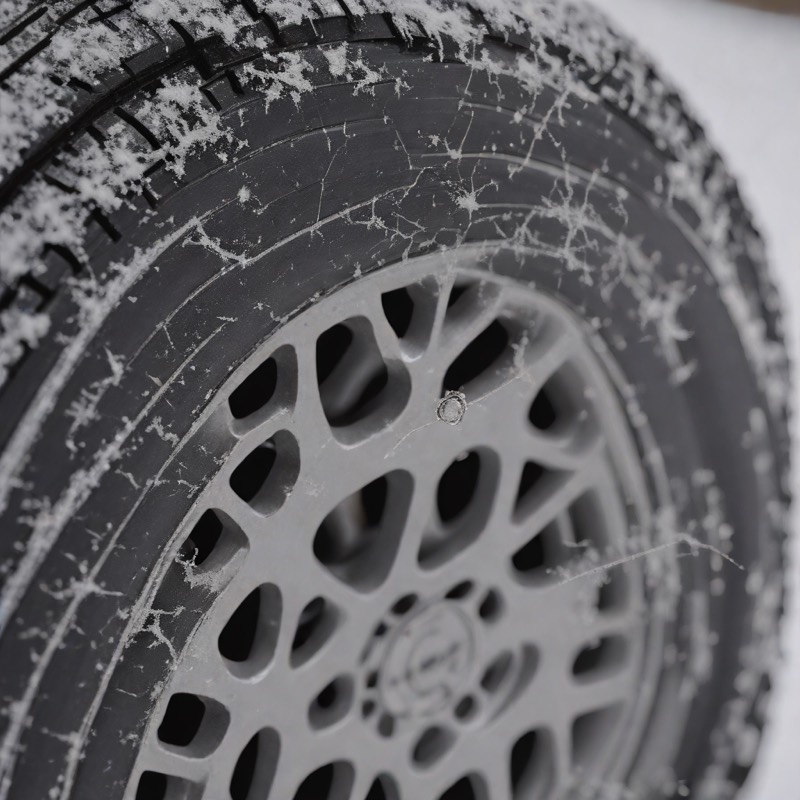
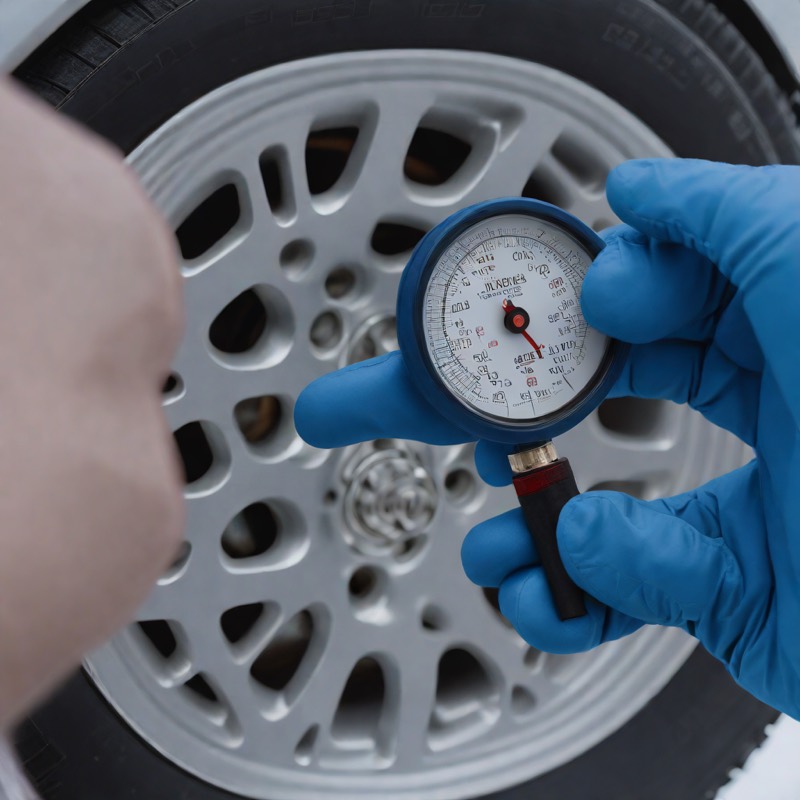
Tire Maintenance Maintain a tread depth of at least 3mm for winter tires to ensure adequate grip on snow and ice. As the tread wears down, braking distances increase, so regular inspections are necessary. For every 5.5 degrees Fahrenheit (approximately 3°C) decrease in temperature, tire pressure decreases by about 1 psi. This can lead to increased wear and damage during driving. Check the pressure before each trip and add air as needed. Winter tires use softer rubber compounds to maintain elasticity in low temperatures. Therefore, we recommend gentle acceleration when driving on snow or ice, rather than heavy acceleration. To prevent tire belt damage in winter, it is recommended to have a mechanic apply waterproofing and lubrication at a service center.
Battery Check As the temperature drops, the reaction rate inside the battery decreases, which can reduce output by more than . Check the battery's state of charge and recharge it if necessary for safety. Corrosion on the battery terminals can interrupt electrical connections, so we recommend cleaning the terminals monthly. Corrosion is caused by the acidifying of the electrolyte, and small droplets of water can accumulate and create a short circuit. Batteries that are more than , should be tested for performance by a qualified mechanic. This is because the charging capacity decreases and the discharge rate increases over time. Check the battery capacity before parking, as a low capacity can increase the risk of the car failing to start.
Coolant (Antifreeze) Check When mixed with water in a 50:50 ratio, antifreeze provides freeze protection down to -30°C. Temperatures below this can cause ice formation, so maintain the correct ratio. If there is insufficient antifreeze in the radiator or engine cooling tank, there is an increased risk of engine overheating. Check and replenish the tank regularly. Antifreeze with a lower temperature rating (e.g., -40°C) is useful for long-distance driving at high altitudes in winter. When replacing antifreeze, completely drain the old fluid and carefully mix new antifreeze with water according to the manufacturer's instructions.
Windshield Washer Fluid Windshield washer fluid for winter has a lower freezing point than regular fluid, allowing you to maintain visibility in snowy conditions. It is typically formulated not to freeze below -30°C. Using winter-specific windshield washer fluid can significantly reduce the risk of accidents caused by impaired visibility. Therefore, be sure to fill up with winter-specific fluid. When the engine is hot, the washer fluid may boil or splatter. Check the condition of the hose connections. If there is a blockage, the fluid will not flow properly, impairing visibility. After filling the washer fluid reservoir, turn on the headlights and test the system to ensure that the fluid is not discolored.
Heater and Lights The heater may not work until the engine warms up, so check the radiator coolant temperature before starting and test to ensure that the heater is functioning properly. In winter, the electrical load on the battery increases, so check that both the headlights and taillights are working properly. Corrosion on the components can cause dimming of the lights. For large vehicles or highway driving, the headlights alone may not be sufficient, so also check the side mirrors and taillights. If there is heavy snowfall, periodically clean the lights to prevent ice buildup and use de-icing agents if necessary.
Lubricant Check As the temperature drops, engine oil viscosity increases, which can reduce lubrication. Winter-specific oils with a rating of 0W-20 or 0W-30 are recommended. Check the oil level regularly and add oil immediately if necessary. This will prevent damage to internal engine components due to friction. It is recommended to change the oil before long trips. Changing the filter at the same time will further enhance engine protection. In very cold regions, storing the oil in a warm place will make it easier to use immediately when the engine is hot.
Frequently Asked Questions (FAQ) - Q: How can I check the specifications of my winter tires? A: Check the manufacturer's tread depth marking and temperature rating on the tire label. - Q: What should I do if there is severe corrosion on the battery terminals? A: Clean them with an alkaline cleaning solution and have a qualified mechanic inspect them, especially in cold weather. - Q: What problems can occur if the antifreeze mixture is incorrect? A: The cooling efficiency will decrease, and there is an increased risk of engine damage due to overheating.
References - Telle Tire, AAA, ER Auto Care
Popular posts
🚗All Cars
Technology and equipment.
Which SUV, with a wheelbase of 4.7m versus 4.9m, would be more practical for everyday use?
Technology and equipment.
7 Practical Tips for Saving Fuel in Your Car.
Technology and equipment.
How to Renew Your Car Insurance Without Regrets: A Key Checklist for Choosing the Right Policy for Your Vehicle.

Technology and equipment.
Comments 0