Electric vehicles vs. internal combustion engine vehicles: A comparison focusing on fuel, maintenance, and insurance costs.
The choice between an electric vehicle (EV) and a gasoline-powered car goes beyond just performance and design. When you own a car for an extended period, there are various expenses to consider beyond the initial purchase price, including maintenance, fuel costs, and insurance. Recently, there's been growing interest in the differences in running costs between these two technologies. This article compares the running costs of EVs and gasoline-powered cars, focusing on fuel, maintenance, and insurance, to analyze which option is more economical in the long run.
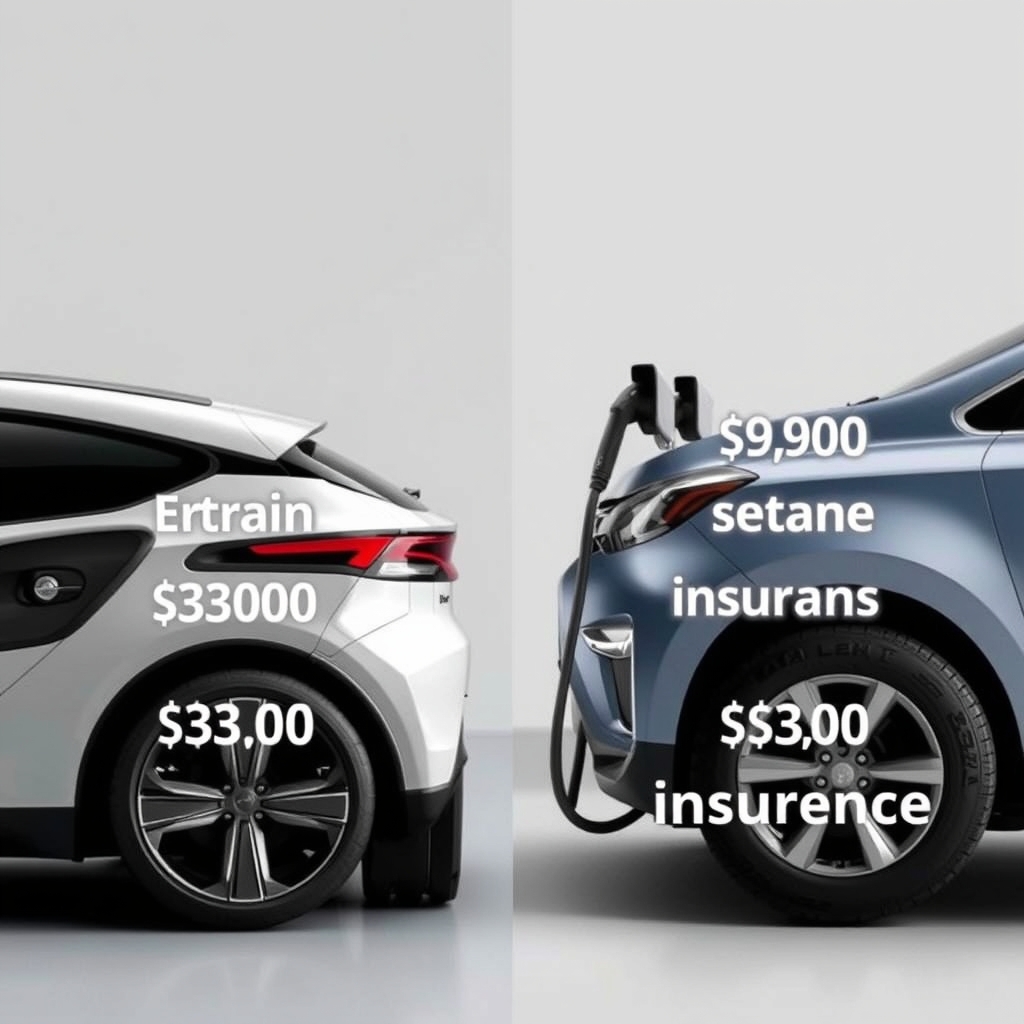
Fuel Costs: How Much Do Electric Vehicles Really Save?
One of the biggest advantages of EVs is their potential for fuel savings. Because they run on electricity, you eliminate the need to purchase gasoline or diesel, and charging is generally much cheaper. In Korea, an average EV requires approximately 15-20 kWh to travel 100 km, which translates to a charging cost of around 10,000 won (approximately $8 USD). For an EV owner who drives 50 km per day, the monthly charging cost is roughly 150,000 won.
In contrast, a gasoline-powered car costs an average of 2,000 won per liter of fuel. To travel 100 km, you're looking at a fuel cost of over 20,000 won. Diesel vehicles are even more expensive, with a 100 km trip costing upwards of 25,000 won. Therefore, EVs can potentially save you over 2 million won per year in fuel costs compared to gasoline-powered cars.
Furthermore, the expansion of EV charging infrastructure is driving down the cost of home charging stations. In Korea, electricity rates vary depending on the time of day, with lower rates during off-peak hours. Charging your EV overnight can significantly reduce your fuel costs. Gasoline prices, on the other hand, are subject to government policies and international oil prices, and tend to increase over time.
Maintenance Costs: Simpler Design Leads to Lower Maintenance for EVs
Gasoline-powered cars have a complex mechanical structure, including an engine, transmission, and exhaust system, which require frequent maintenance. Regular services like oil changes, filter replacements, and catalytic converter inspections are essential. For example, an engine oil change every two years costs over 100,000 won on average, and annual maintenance costs can range from 300,000 to 500,000 won.
EVs, on the other hand, have a simpler design. They consist primarily of a motor, battery, and electronic control unit, with fewer mechanical components. This means there's no need for oil changes or fuel filter replacements. The main maintenance items are battery health checks and tire replacements. EV maintenance costs are generally 30% lower than those of gasoline-powered cars, and most repairs are covered by the warranty during the initial period.
EVs also have a digital-based maintenance system that allows for real-time monitoring of vehicle status. For example, you can remotely check the battery's remaining capacity and motor performance, and the system automatically sends warning messages if there are any issues. This allows for preventative maintenance, which can help reduce repair costs.
Insurance Costs: Are EVs More Expensive to Insure?
One of the most confusing aspects is insurance costs. Some consumers believe that EVs are more expensive to insure due to their high-priced batteries, but the reality is more complex.
Gasoline-powered cars have a long history and established insurance systems, making it easier to determine insurance premiums. Insurance companies are still gathering data on new EV models, and some may charge higher premiums due to the perceived risk.
However, in the long run, EVs are likely to be cheaper to insure than gasoline-powered cars. Here's why:
* Accident Rate: EVs tend to travel at lower speeds than gasoline-powered cars, and their battery design reduces the risk of injury in accidents. * Repair Costs: While specialized parts and technology may be required for EV repairs, the overall repair costs are often lower than those of gasoline-powered cars, and insurance companies may see a reduction in recovery costs after an accident. * Coverage Options: Some insurance companies offer special discounts for EVs, such as a 10% discount for installing an automatic charging station.
Ultimately, insurance costs depend on various factors, including the vehicle type, driving habits, age, and location. However, overall, EVs are likely to be more cost-effective in terms of insurance premiums compared to gasoline-powered cars.
In conclusion, while EVs may have a higher initial purchase price, they offer significant long-term benefits in terms of fuel costs, maintenance, and insurance. If you plan to own a car for more than five years, an EV is likely to be the more economical choice overall. As EV adoption continues to grow, these advantages will become even more apparent.
Popular posts

Essential Checklist for Winter Car Maintenance.
Which SUV, with a wheelbase of 4.7m versus 4.9m, would be more practical for everyday use?
7 Practical Tips for Saving Fuel in Your Car.

Comments 0