Among SUVs with a wheelbase of 4.8 meters or more, would the "Type B," which boasts superior interior space and driving stability compared to others, be a better choice?
Conclusion Summary: When considering large SUVs with a length exceeding 4.8 meters, vehicles designed on a front-wheel-drive sedan platform ("Type B") offer superior practicality and driving feel compared to traditional SUVs based on rear-wheel drive or partial rear-wheel drive ("Type A"), particularly in terms of interior space utilization and on-road stability. Type B vehicles demonstrate advantages in "daily driving convenience" and "stability control," which are crucial for family SUVs.
---
Type A vs. Type B: 3 Key Comparison Factors
1. Interior Space Utilization: "Intelligent Design" Wins
- Type B vehicles (e.g., large coupe-style SUVs based on a front-wheel-drive platform) tend to have a more balanced distribution of space between the front and rear seats due to their seat arrangement and fixed support designs. Specifically, the rear space is not compromised by a complex trunk structure, allowing adults to comfortably sit with adequate headroom and legroom.
- In contrast, Type A vehicles (e.g., traditional large SUVs based on rear-wheel drive) often have a less complex design in the central console area due to the engine hood and axle placement. This can result in a rear seat that is tilted or has limited legroom.
- Key Checkpoints: The distance between the rear seat back and the headrest, and the width of the footwell for comfortable legroom are generally better in Type B vehicles.
---
2. On-Road Stability: "Center of Gravity" Matters
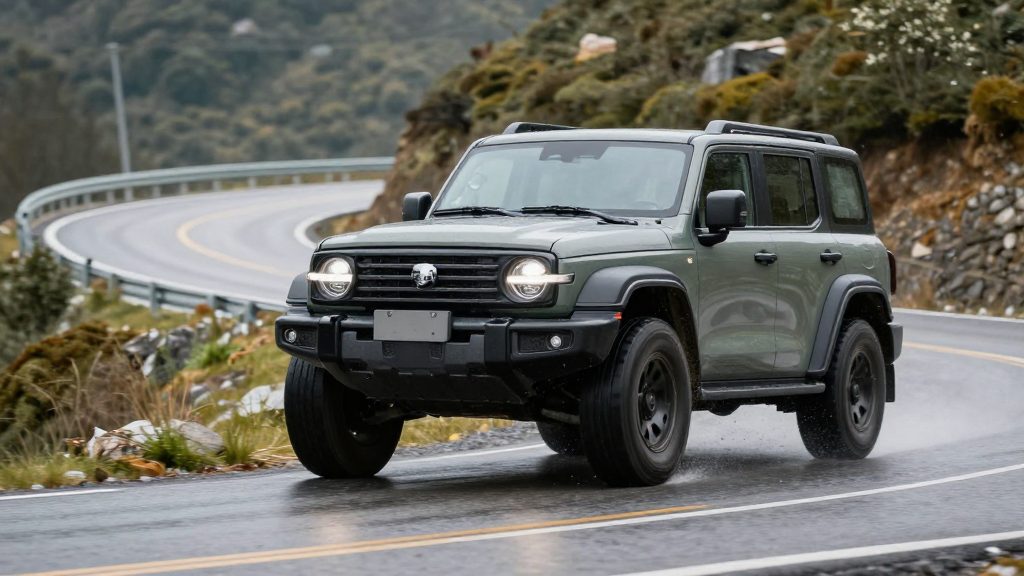
- Type B vehicles, while based on a front-wheel-drive platform, often feature optimized engine placement and rear suspension to achieve stable weight distribution. Furthermore, intelligent electronic control systems excel at maintaining a level ride, resulting in quick and precise responses to road conditions.
- Type A vehicles, due to their rear-wheel-drive structure, tend to have a weight distribution that is biased towards the rear. This can lead to delayed responses when pedestrians suddenly enter the road, and a higher likelihood of rear-wheel slippage during high-speed cornering.
- Practical Criterion: When comparing the amount of "body roll" on the road and passenger fatigue after a long drive, Type B vehicles demonstrate superior stability.
---
3. Driving Convenience: Reducing "Driver Burden"
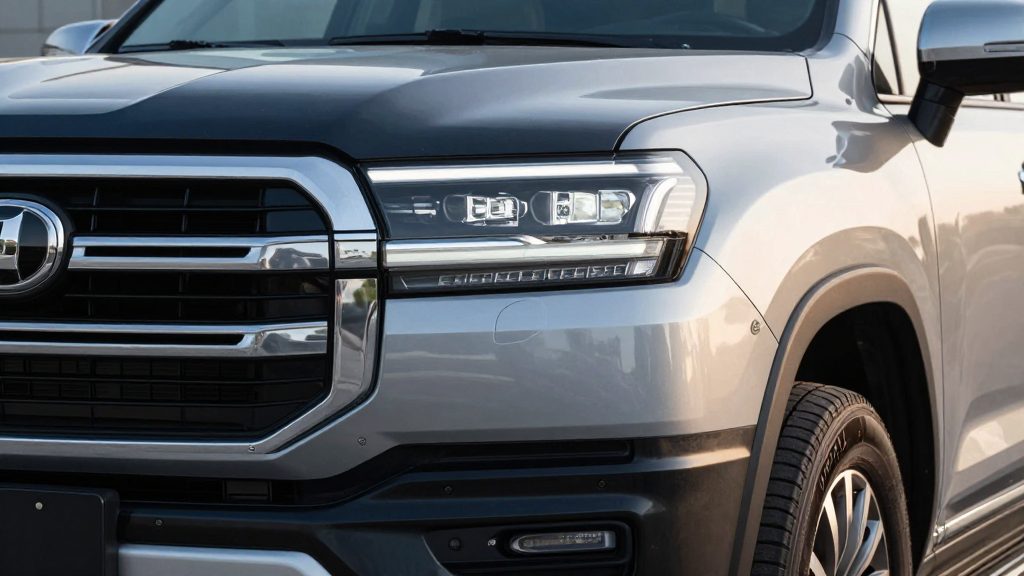
- Type B vehicles generally incorporate automatic control systems that compensate for the movements of rear seat passengers during driving. For example, some Type B vehicles automatically adjust the body when rear seat passengers stand up after a sudden stop.
- In contrast, Type A vehicles may have slower window controls or delayed automatic braking adjustments due to limitations in their mechanical structure.
- Key Checkpoints: The precision of automatic adjustment functions and the design of interfaces that require less effort from the driver are areas where Type B vehicles receive higher ratings, especially during long drives.
---
Comparison Table
| Feature | Type A (Traditional SUV) | Type B (Sedan Platform Based) |
|---|---|---|
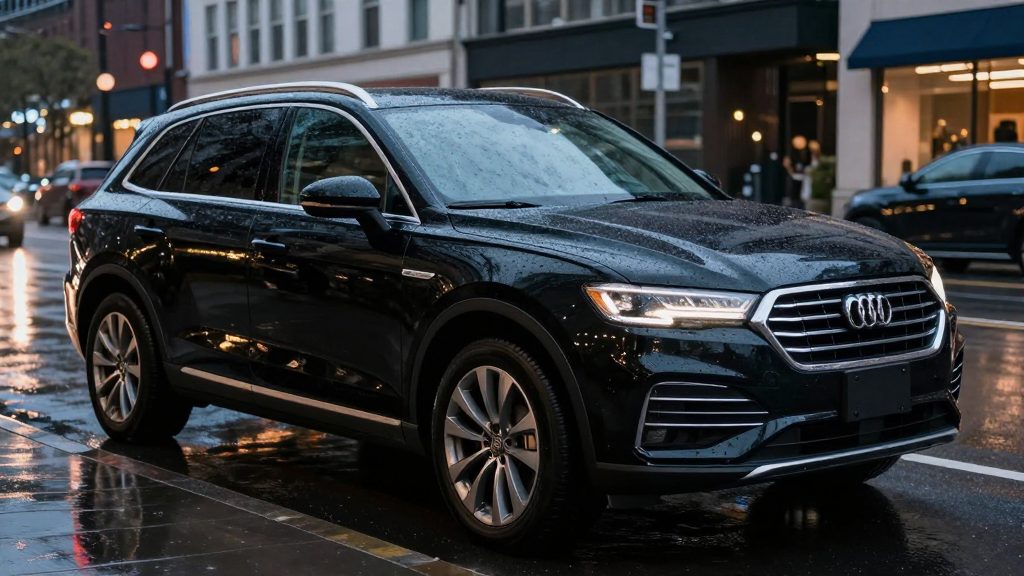
| Interior Space Utilization | Medium to High (Potential for rear seat tilt issues) | High (Balanced space distribution) |
| On-Road Stability | Medium (Weight biased towards rear) | High (Level ride maintained by electronic control) |
| Long Drive Convenience | Medium (Delayed function response) | High (Excellent automatic adjustment functions) |
| Passenger Fatigue (Long Drive) | Somewhat Higher (Noticeable body roll) | Lower (Maintains stable driving feel) |
---
Recommended For:
- Families with 3-4 members who frequently travel long distances.
- Individuals who dislike the feeling of rear seat passengers being pushed backward during driving.
- Those sensitive to "body roll" on the highway.
- Individuals who prioritize "rear seat comfort" over trunk space.
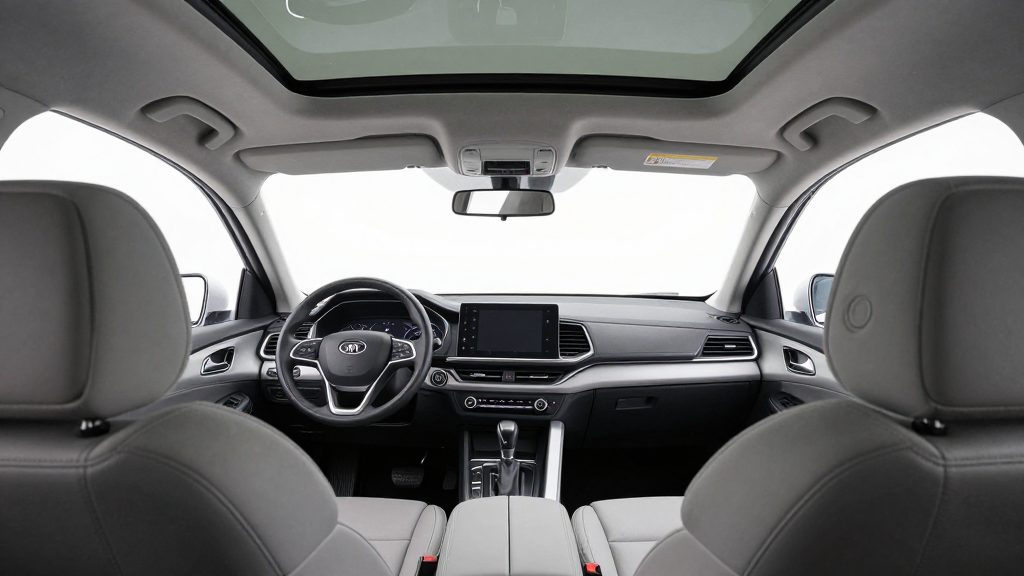
→ Especially for families with young children who complain of back pain in smaller vehicles, Type B vehicles demonstrate a key advantage in their interior structure design.
---
Overall:
For large SUVs exceeding 4.8 meters in length, Type B vehicles, designed on a front-wheel-drive sedan platform, may be a better choice than Type A vehicles when "practicality" and "stability" are the top priorities. Instead of simply focusing on size, consider the actual riding experience and driving feel over long distances. "Center of gravity" and "space design principles" are the most important criteria to consider.
Related posts
Which SUV, with a wheelbase of 4.7m versus 4.9m, would be more practical for everyday use?
7 Practical Tips for Saving Fuel in Your Car.
How to Renew Your Car Insurance Without Regrets: A Key Checklist for Choosing the Right Policy for Your Vehicle.
Electric Vehicle Charging Time: Home vs. Public Charging Stations – Which is More Efficient?
Popular posts

Essential Checklist for Winter Car Maintenance.
Which SUV, with a wheelbase of 4.7m versus 4.9m, would be more practical for everyday use?
7 Practical Tips for Saving Fuel in Your Car.
Comments 0