Electric Vehicle Charging Time: Home vs. Public Charging Stations – Which is More Efficient?
Key — In conclusion: If you primarily use an electric vehicle for city driving and commuting, charging it at home is generally more practical and cost-effective. Public charging stations are advantageous in emergency situations or for long-distance travel, but...
Conclusion Summary: If you primarily use your electric vehicle for commuting and driving within the city, charging at home is more practical and cost-effective. While public charging stations are beneficial in emergency situations or for long trips, home chargers offer a better option in terms of time and cost for everyday use.
---
Comparing Charging Methods Based on Electric Vehicle Usage Patterns
1. Charging Speed: Home AC Charger vs. Public DC Fast Charging Station
- Charging at home typically uses a AC (analog) charger with a power output of 7-11kW, which can fully charge the battery in an average of 30 minutes.
- Public charging stations usually offer DC (digital) fast chargers with a power output of 50kW or more, allowing for approximately 80% charge in 30 minutes.
- However, if you can charge your car at home once a day, the fast charging speed of public stations is not practical for everyday use. In fact, simply having a shorter charging time doesn't necessarily mean you can "use" the car more quickly.
✅ Practical Checkpoint: The "available charging schedule" is more important than the charging time itself. If you anticipate using a public charging station more than twice a week, DC fast charging is essential, but for most drivers, it's an unnecessary and expensive option.
---
2. Cost Structure: Electricity Bill vs. Charging Fees
- Charging at home incurs basic electricity charges, but you can significantly reduce costs by charging during off-peak hours (low power consumption periods).
- Public charging station fees are typically around 600-900 won per kWh, which is about 30% more expensive than charging at home.
- Especially for electric vehicles with large battery capacities (e.g., 70kWh or more), a single charge at a public station can cost more than your daily electricity bill at home.
✅ Practical Checkpoint: If you don't plan to use public charging stations more than once a week, the fees are almost like an "extravagance." You can also save around 30,000 won per month by utilizing off-peak charging features.
---
3. Convenience: Automation vs. Manual Operation
- Charging at home has the inconvenience of having to connect the charging cable each time, but most systems are equipped with automation features (e.g., charging complete notifications, automatic shut-off), which automatically turn off after a certain period of time.
- In contrast, public charging stations are exposed to the external environment, and there are many manual processes involved, such as connecting the cable, operating the touchscreen, and making payments. Especially in winter or on rainy days, handling the charging cable can be a hassle.
- Fast charging stations often have waiting times, and sudden power outages or equipment errors are also common.
✅ Practical Checkpoint: If charging is a "regular daily activity," then charging at home is superior in terms of convenience. Public charging stations are more suitable for emergency situations or when traveling.
---
4. Long-Term Maintenance Costs: Battery Degradation
- Excessive DC fast charging can potentially cause battery overheating and reduce its lifespan. Especially if you frequently use fast charging to reach 80% charge in 30 minutes, the chemical reactions inside the battery will accelerate.
- In contrast, AC charging puts less strain on the battery and provides a more stable power supply.
- Most electric vehicle manufacturers recommend AC charging for regular use and advise waiting for a certain period of time after reaching 80% charge to protect the battery.
✅ Practical Checkpoint: If your goal is to maintain a battery lifespan of 10 years or more, then public charging stations should only be used in "exceptional situations," not as a regular practice.
---
Comparison Table: Home AC Charger vs. Public DC Fast Charging Station
| Item | Home AC Charger | Public DC Fast Charging Station |
|---|---|---|
| Charging Speed | 6-8 hours (100%) | Approximately 80% in 30 minutes |
| Cost (per charge) | Electricity bill, approximately 50,000-80,000 won during off-peak hours | Approximately 100,000-150,000 won (for a 70kWh battery) |
| Convenience | Automated, suitable for regular use | Manual operation, waiting times may exist |
| Battery Impact | Low strain, excellent long-term stability | Potential for overheating and reduced lifespan with fast charging |
| Suitable Situations | Commuting, daily driving, 1 charge per day | Long trips, when a quick charge is needed |
---
Recommended For:
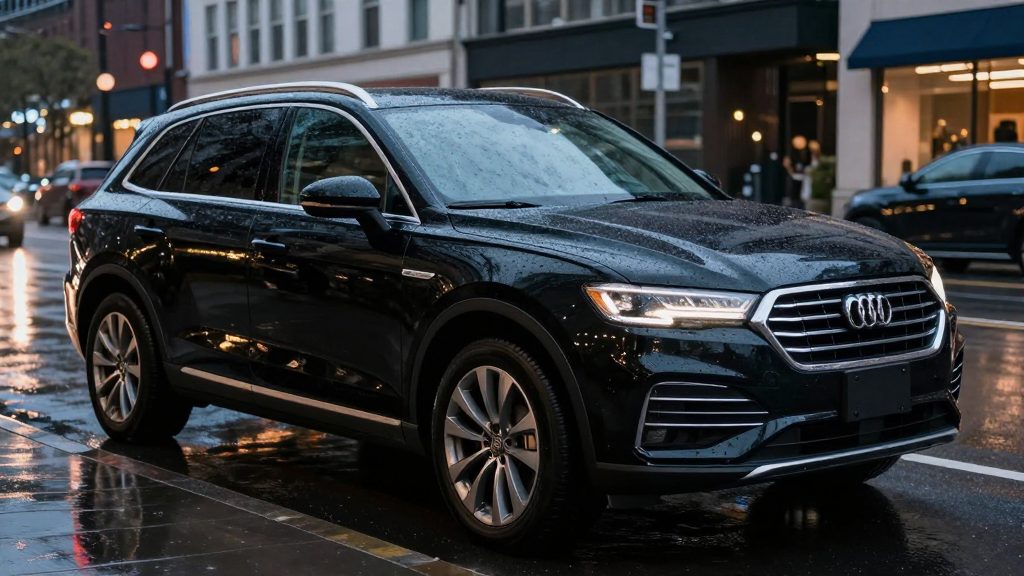
- Commuters who drive less than 30km to work, 5 days a week: Charging at home is the most practical and cost-effective option.
- Homeowners with parking space: If you can park your electric vehicle at home, consider installing a fast charger.
- People who frequently travel long distances: Include public charging stations in your itinerary and plan to charge 2-3 times per day.
- Users who are sensitive to public charging fees: People who want to avoid "expensive charging" and have a habit of using off-peak hours.
---
Overall: Don't choose an electric vehicle simply because there are "many charging stations." You should design your charging method based on your actual lifestyle. For most drivers, charging at home is the best option.
← Previous postHow to find electric vehicle charging stations: The fastest and most cost-effective charging strategies.Next post →Among SUVs with a wheelbase of 4.8 meters or more, would the "Type B," which boasts superior interior space and driving stability compared to others, be a better choice?
Related posts
🚗All Cars
Technology and equipment.
Which SUV, with a wheelbase of 4.7m versus 4.9m, would be more practical for everyday use?
Technology and equipment.
7 Practical Tips for Saving Fuel in Your Car.
Technology and equipment.
How to Renew Your Car Insurance Without Regrets: A Key Checklist for Choosing the Right Policy for Your Vehicle.

Technology and equipment.
Among SUVs with a wheelbase of 4.8 meters or more, would the "Type B," which boasts superior interior space and driving stability compared to others, be a better choice?
Popular posts

tech
Essential Checklist for Winter Car Maintenance.
🚗All Cars
Technology and equipment.
Which SUV, with a wheelbase of 4.7m versus 4.9m, would be more practical for everyday use?
Technology and equipment.
7 Practical Tips for Saving Fuel in Your Car.
Technology and equipment.
Comments 0